Ornament Love Letter
Nkuli Mlangeni-Berg is a designer, textile artist and founder of The Ninevites, a multidisciplinary design studio and creative agency. Born in Kagiso, Johannesburg, and based in Stockholm, Sweden, her work celebrates Black aesthetics and seeks to preserve cultural heritage, drawing on traditional South African Zulu and Ndebele crafts.

For the 2026 holiday season, Nkuli Mlangeni-Berg has created a collection of ornaments, beaded objects and table setting textiles for Svenskt Tenn. The collection brings together influences from her Ndebele heritage and Svenskt Tenn's colourful and expressive design tradition.
“The collection is a homage to remarkable women: Estrid Ericson, who founded Svenskt Tenn; the Ndebele women who raised me; and all the women who worked on this collaboration.”
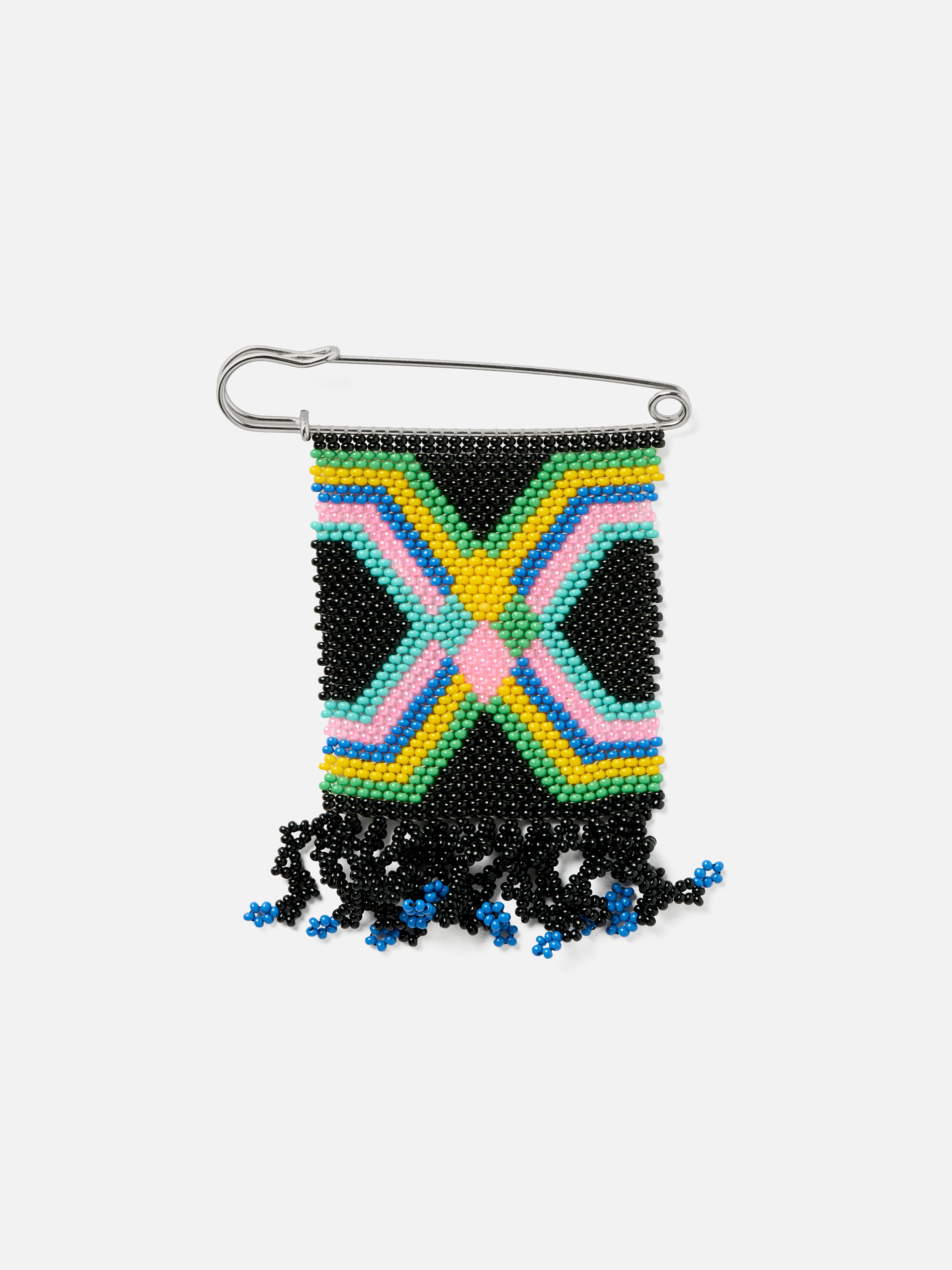
At the heart of the collection is the Brooch Love Letter, which has also inspired this year's holiday theme at Svenskt Tenn. The brooch draws on the South African Zulu tradition of love letters, known as Incwadi Yothando, in which beaded accessories are used to convey symbolic messages through colours and patterns rather than written words.
Each Brooch Love Letter is made by hand, requiring hours of work. Beadwork is deeply rooted in South African culture and provides a livelihood for many women, supporting entire communities. Yet as fewer people learn traditional crafts such as beading and weaving, these skills risk being lost. For Nkuli Mlangeni-Berg, the collaboration with Svenskt Tenn offers an opportunity to bring these traditions to a wider audience.
“With this collection, we have the opportunity to introduce Zulu love letters, traditional wire-woven baskets and the art of South African beadwork to an international audience. It’s a way of showing younger generations that these traditions – this form of storytelling – matter and deserve to be preserved.”
Nkuli Mlangeni-Berg“Traditionally, young women would give Zulu love letters to young men they were interested in as a way of expressing love and affection. Different colours and symbols carried different meanings, allowing people to communicate through the beadwork.”
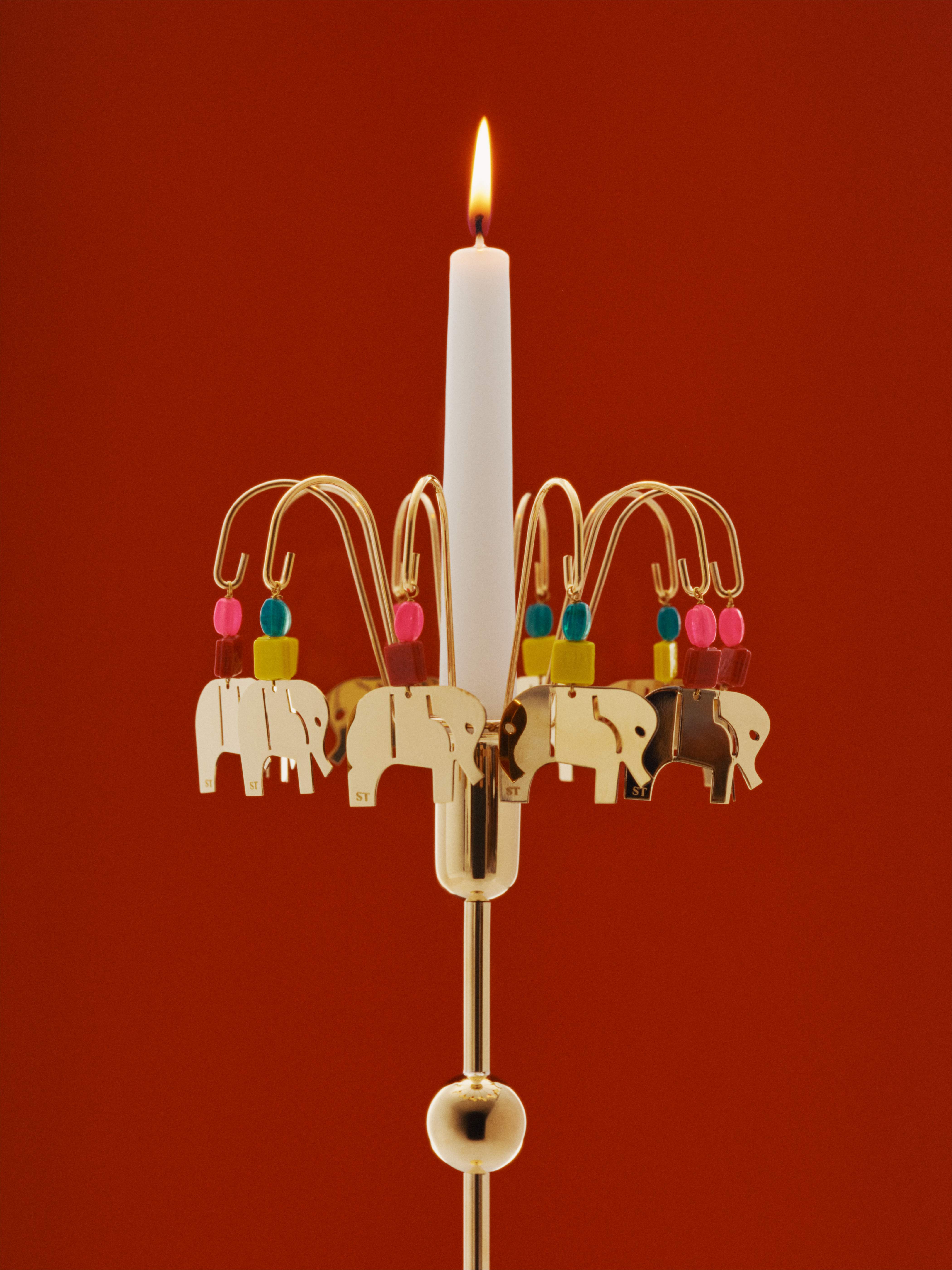
In isiZulu, one of South Africa’s official languages, a queen or queen mother is called indlovukazi, a word meaning “female elephant”. For Nkuli Mlangeni-Berg, the elephant ornament symbolises womanhood and the women who have contributed to the collection in different ways.
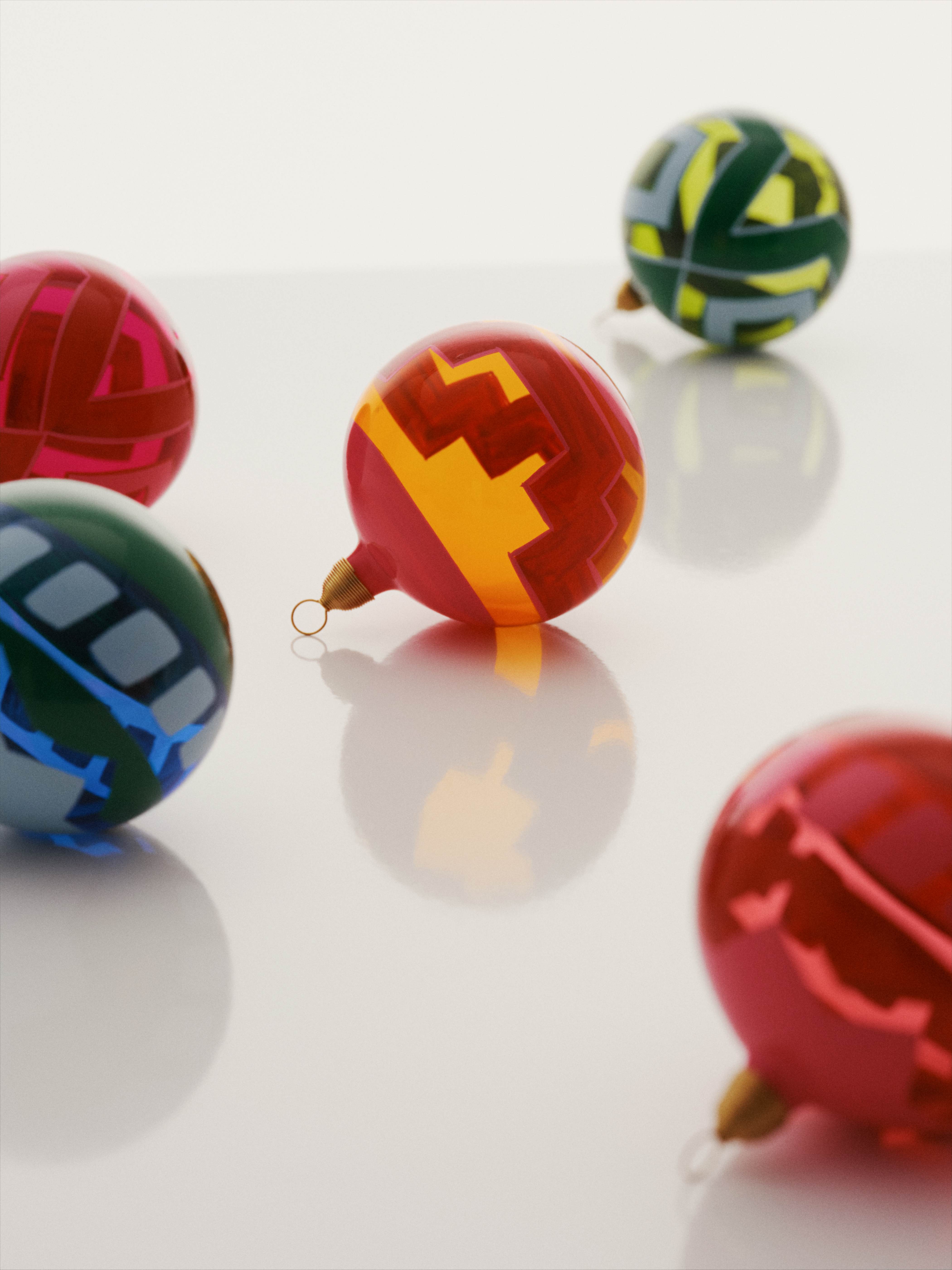
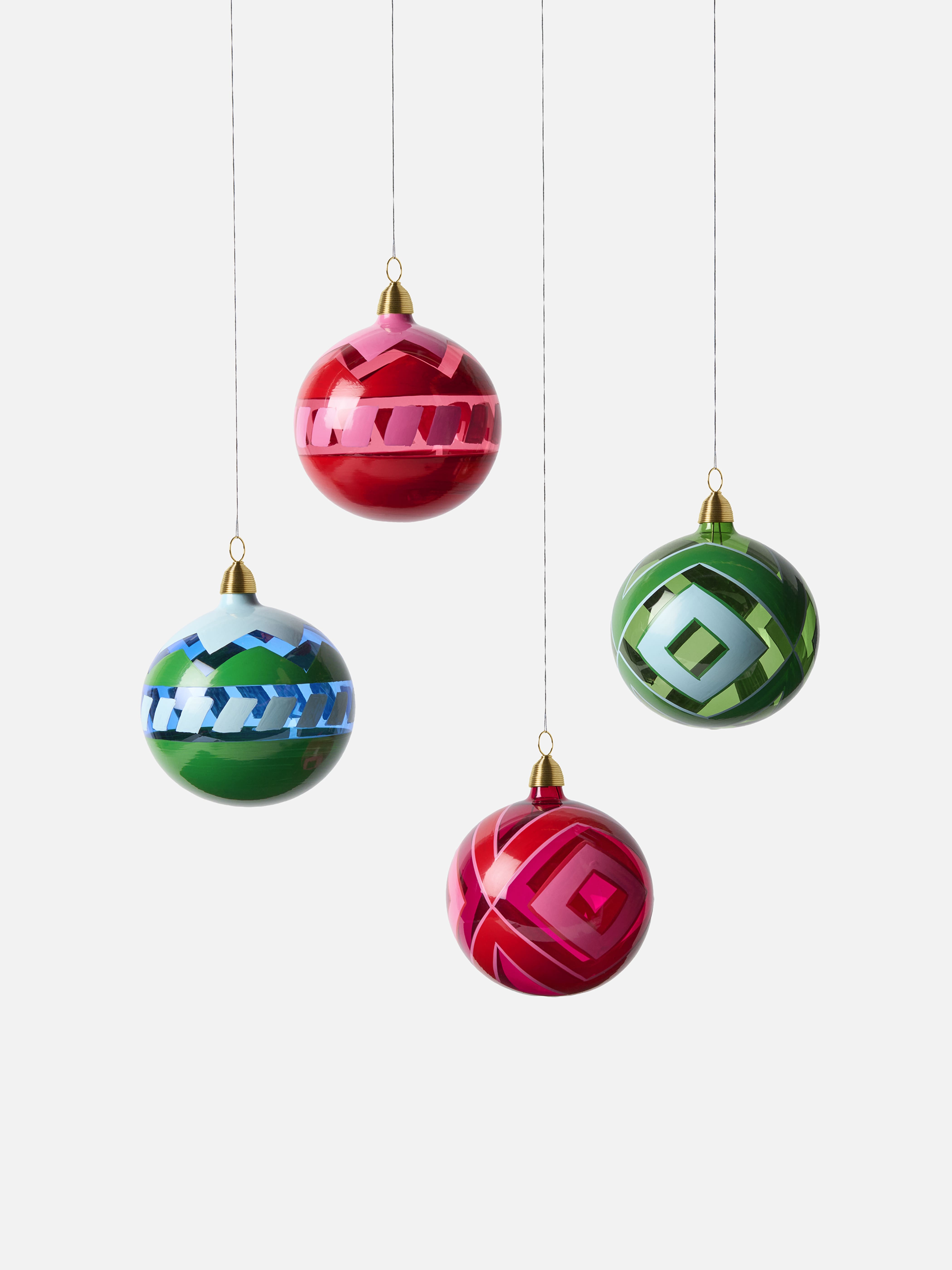
The patterns of the glass baubles are inspired by the traditional mural paintings of Ndebele culture, characterised by colourful, geometric forms. The paintings are traditionally created by women on the exterior walls of houses.
The colourful, handmade platter is crafted from recycled materials. The intricate craftsmanship means that each piece takes several days to complete.
In developing the collection, Nkuli revisited some of her earlier designs inspired by Ndebele traditions, exploring how their characteristic colours and geometric patterns could be reinterpreted in a contemporary way. Designing holiday decorations was new for Nkuli, who also spent time exploring Svenskt Tenn's history, craftsmanship and previous holiday collections.
“What struck me was that, although Svenskt Tenn is a Swedish brand, its aesthetic is far from what might be considered traditionally Scandinavian. There is a richness of colour and a boldness of expression that I immediately recognised from my own cultural background. I think it's beautiful how the collection brings together different craft traditions, from traditional beadwork to brass ornaments incorporating beads. It really feels like a conversation between two cultures and two different visual worlds.”

Tablecloth by Nkuli Mlangeni-Berg.