

Couch 775

In 1958, Josef Frank wrote in the magazine Form about several of the aspects he considered important in an interior. He called this philosophy “Accidentism” or “The Philosophy of Chance”. In the article, Frank emphasised that we should shape our surroundings as though they had arisen by chance, since this creates pleasant and comfortable environments. The living room in which one can live and think freely, Frank argued, is neither beautiful, harmonious nor homogeneous – it has evolved through chance and is never truly finished.

Couch 775, Josef Frank, designed in 1938.

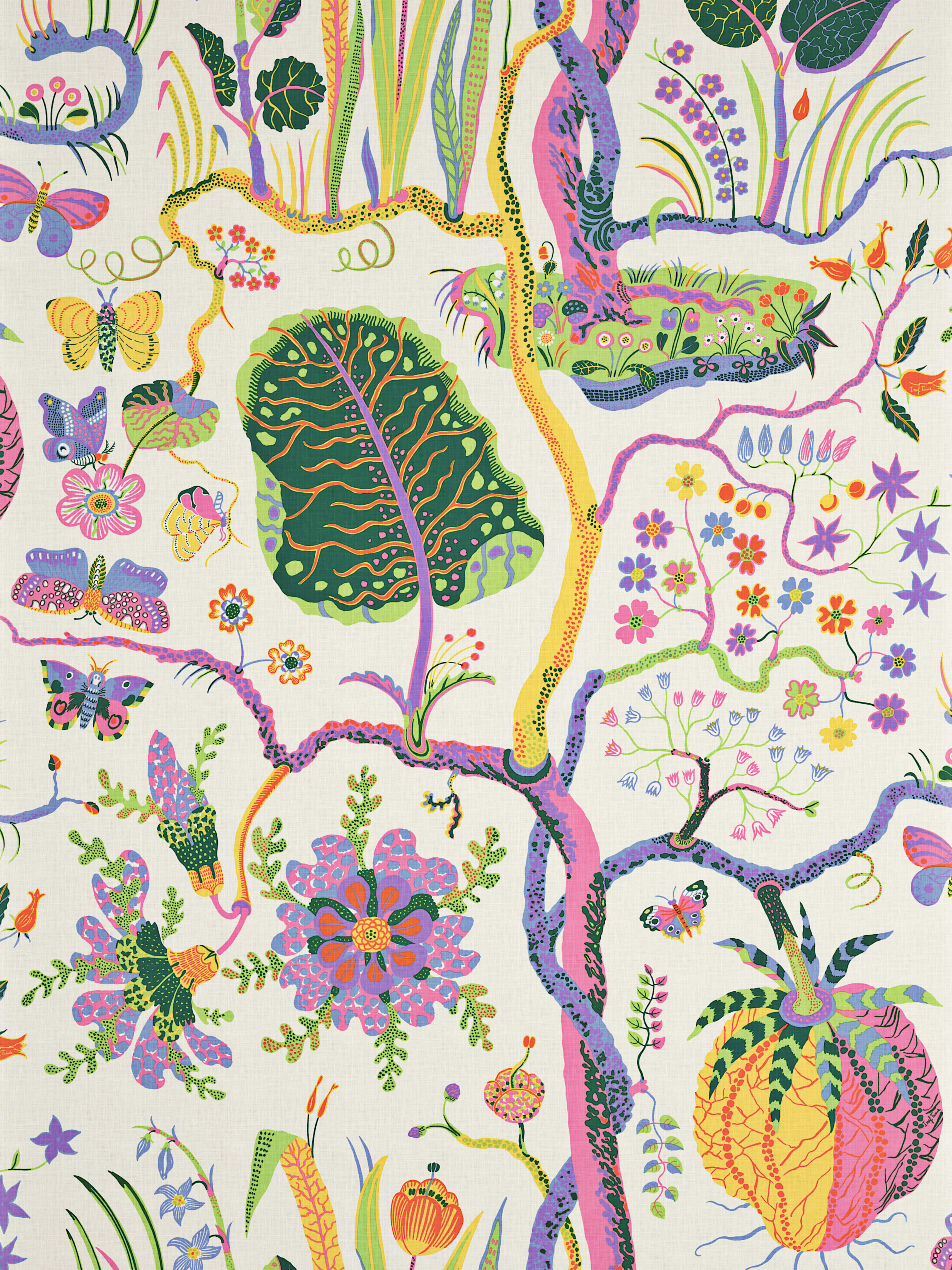
Detail from Josef Frank’s Hawai pattern.
Josef Frank, 1958“The living room, where one can live and think freely, is neither beautiful, harmonious, or homogenous. It is the result of chance, never to be considered finished and can always adapt to whichever needs of its inhabitants.”

Josef Frank’s Armchair 966, in a blue shade of the textile Vägen.

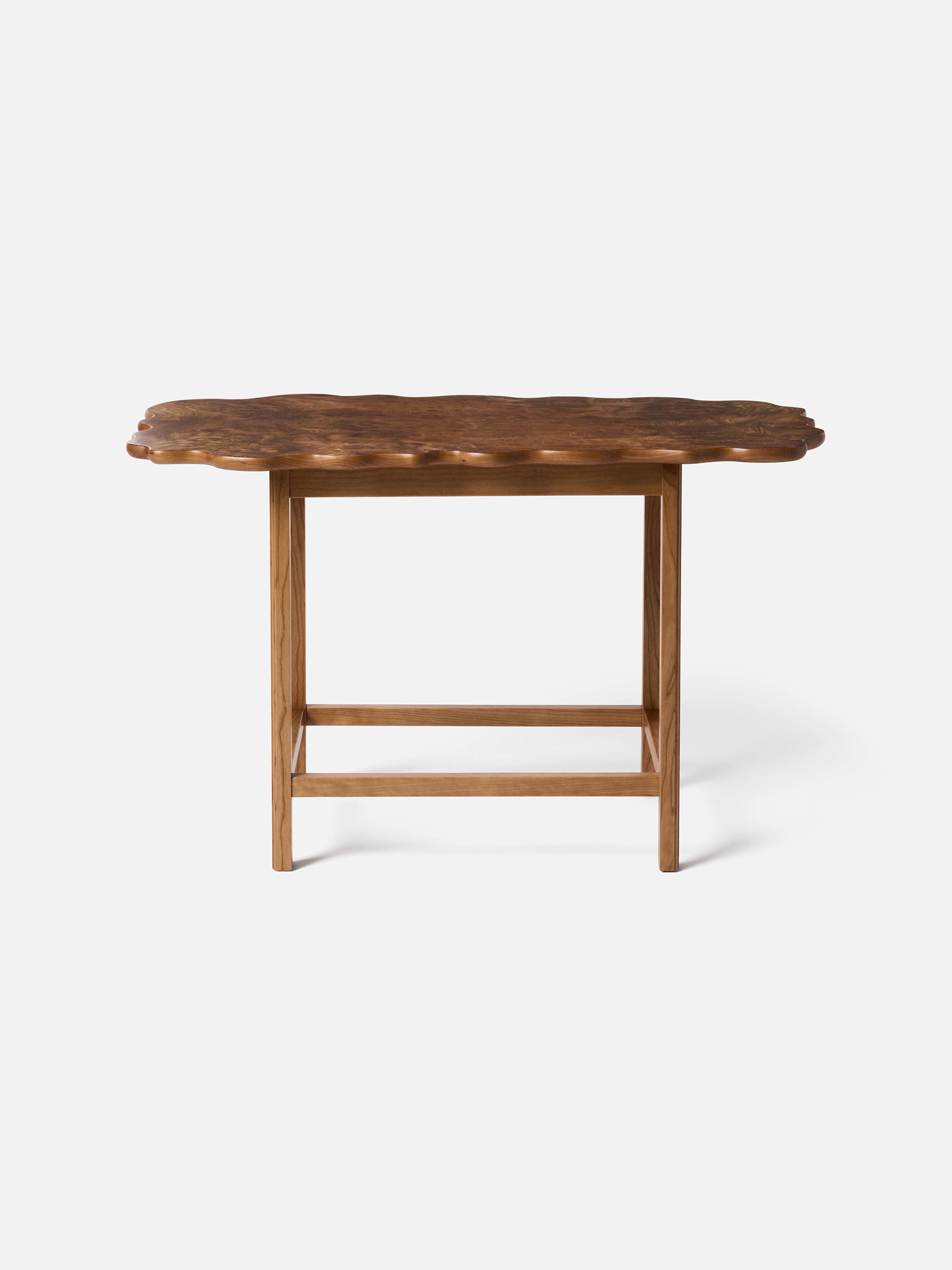
Organic forms in Josef Frank’s Table 1058.

Profile Vase, Anna Petrus, 1927.
Josef Frank also advocated the importance of interiors centred around human well-being – that furnishings should be flexible and adapted to individual needs. Frank wanted to incorporate the colours and forms of nature into his interiors so that people could breathe and experience a sense of freedom, even in enclosed spaces.
The same approach shaped Josef Frank’s patterns. He held strong views on the psychological power of pattern and believed that a plain surface appears unsettling, while a patterned one has a calming effect. Inspired by nature and by the botanical interest that had followed him since childhood, Frank developed his pattern design during the 1920s by composing a flora of his own. Here, tulips, roses, violets and forget-me-nots were combined with imaginary flowers, often rendered with a slightly expressionistic touch.

Frank’s Rug No. 1 was created to give a sense of solid ground beneath one’s feet.