
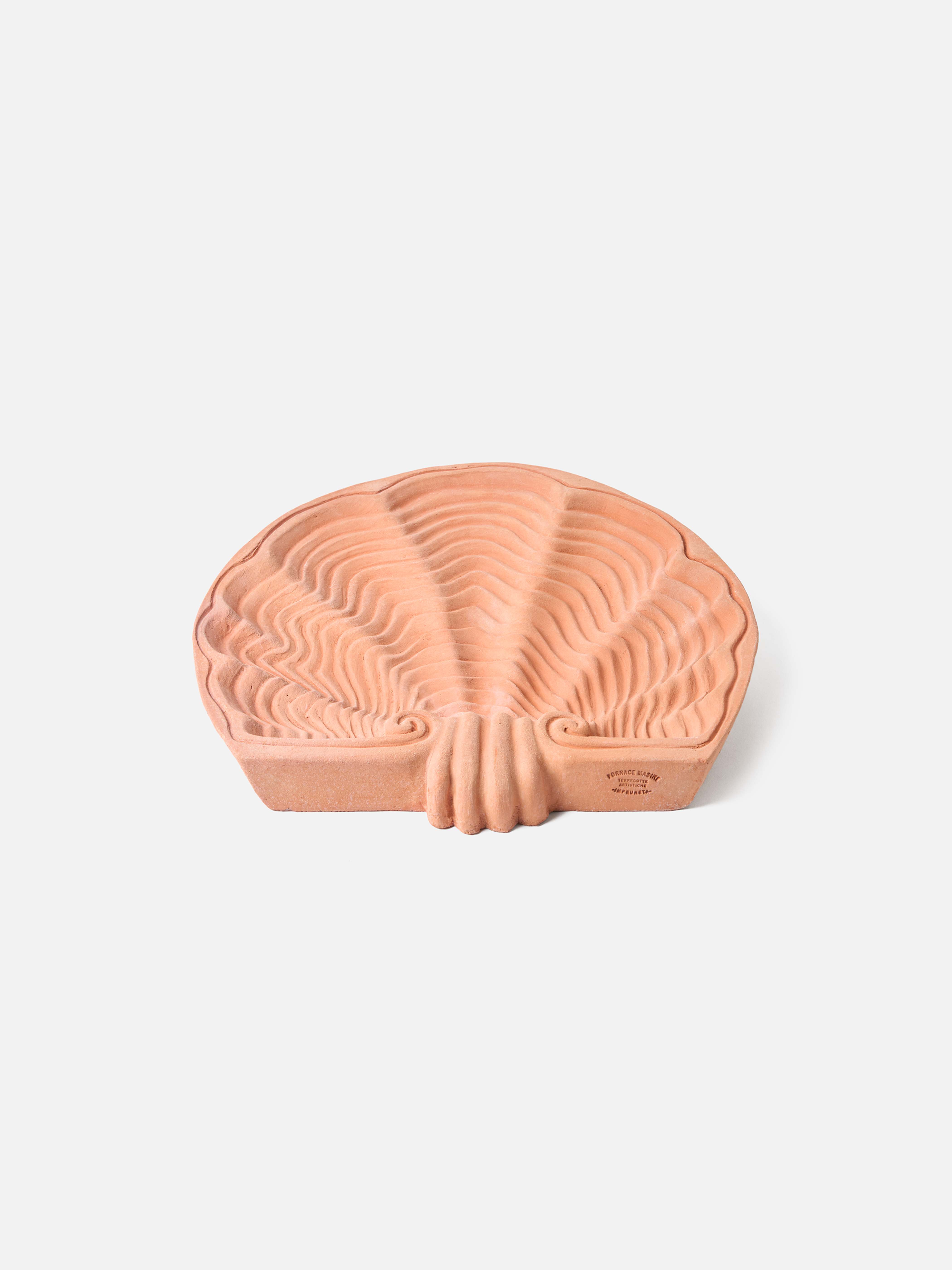

Dinner Plate d´Apt

High on a hill, surrounded by greenery and with sweeping views of the landscape, stood Estrid Ericson’s summer house, Tolvekarna. Located in Tyresö, just outside Stockholm, the house was a place for rest, contemplation and creation for Svenskt Tenn’s founder, Estrid Ericson. Here, her deep interest in botany unfolded freely.
The house, whose alterations and extensions were designed by Josef Frank, featured outdoor rooms and loggias facing different directions. The setting was also defined by fluid boundaries between cultivated areas and wild vegetation, as Ericson wanted to preserve the poetic sense of untouched nature.

Estrid Ericson, 1942. Photo: Bo Törngren.
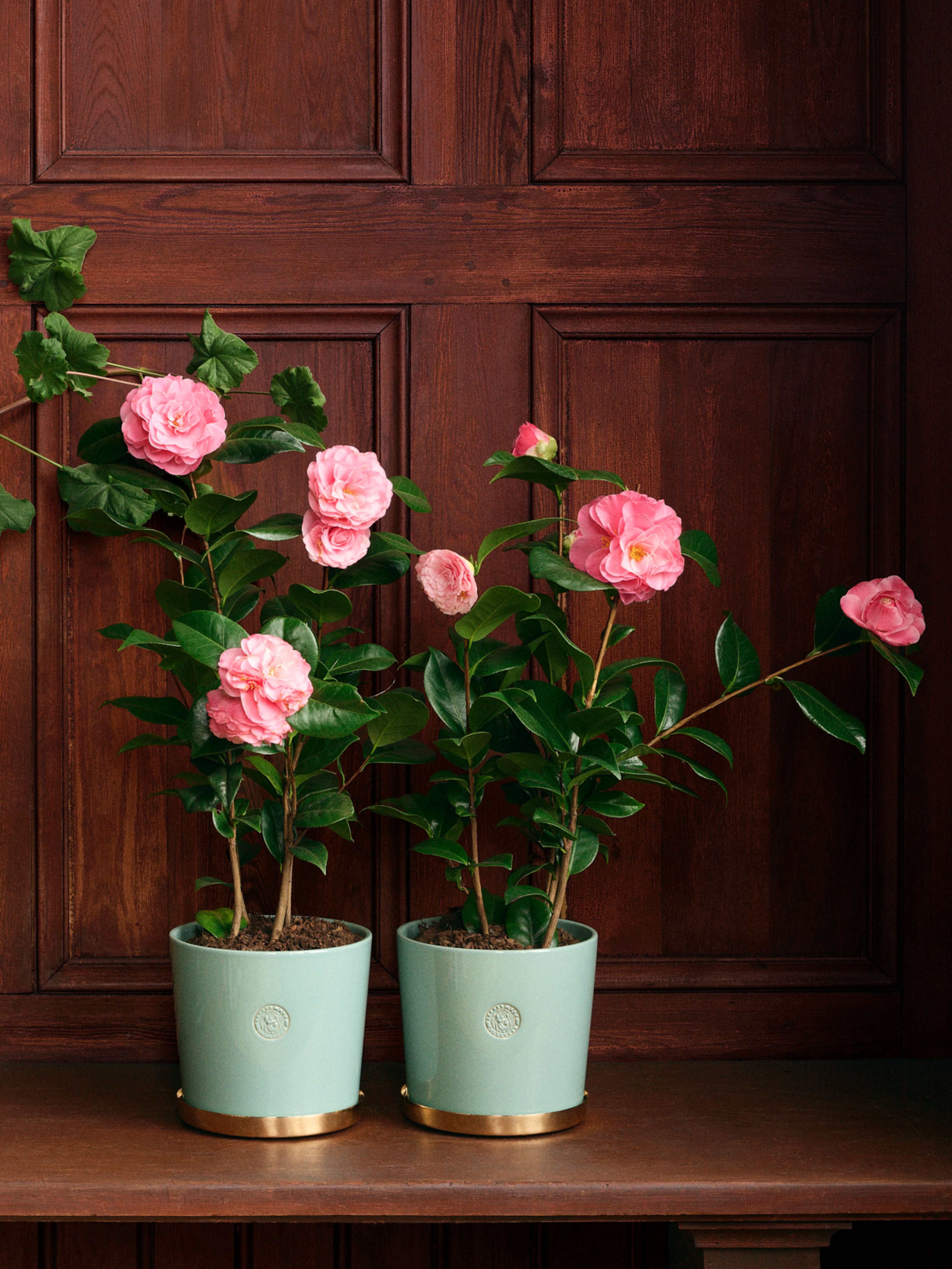
Camellia in the Pot Tolvekarna
Estrid Ericson“To sow a seed, to plant a tree, to pick a rose, to gather an apple, to wake early, face the sun and be able to say: Good morning, Life — that is to live!”

Vase Jam Jar, designed by Estrid Ericson

Plate with a marbled pattern
At Tolvekarna, Estrid Ericson aimed to create a kind of choreography of vegetation, where the site’s century-old oaks played an important role. As part of this composition, Ericson made a restrained—yet intense—planting of flowers close to the house, while allowing the wilder parts of the landscape to remain an integral whole.
In front of the house’s south-facing terrace, different varieties of honeysuckle, forsythia, lilac and currant were planted. By the outdoor seating area in the east, a rose garden was laid out to be enjoyed at breakfast. The roses were arranged in squares, each bordered by lavender, carnations and thyme.

The living room’s large window
Tolvekarna’s rich wild flora, combined with Ericson’s own plantings, came to shape the interiors of the store on Strandvägen 5. For example, in contrast to the lower vegetation, Ericson planted agapanthus, whose airy, spherical blooms suited the store’s more monumental arrangements.
The botanical world that Tolvekarna represented – and Ericson’s fondness for what lives, grows and carries scent – remains a constant presence in Svenskt Tenn interiors.

Tolvekarna, 1940s. Photo: Emelie Danielson.

Estrid Ericson’s outdoor bathtub.