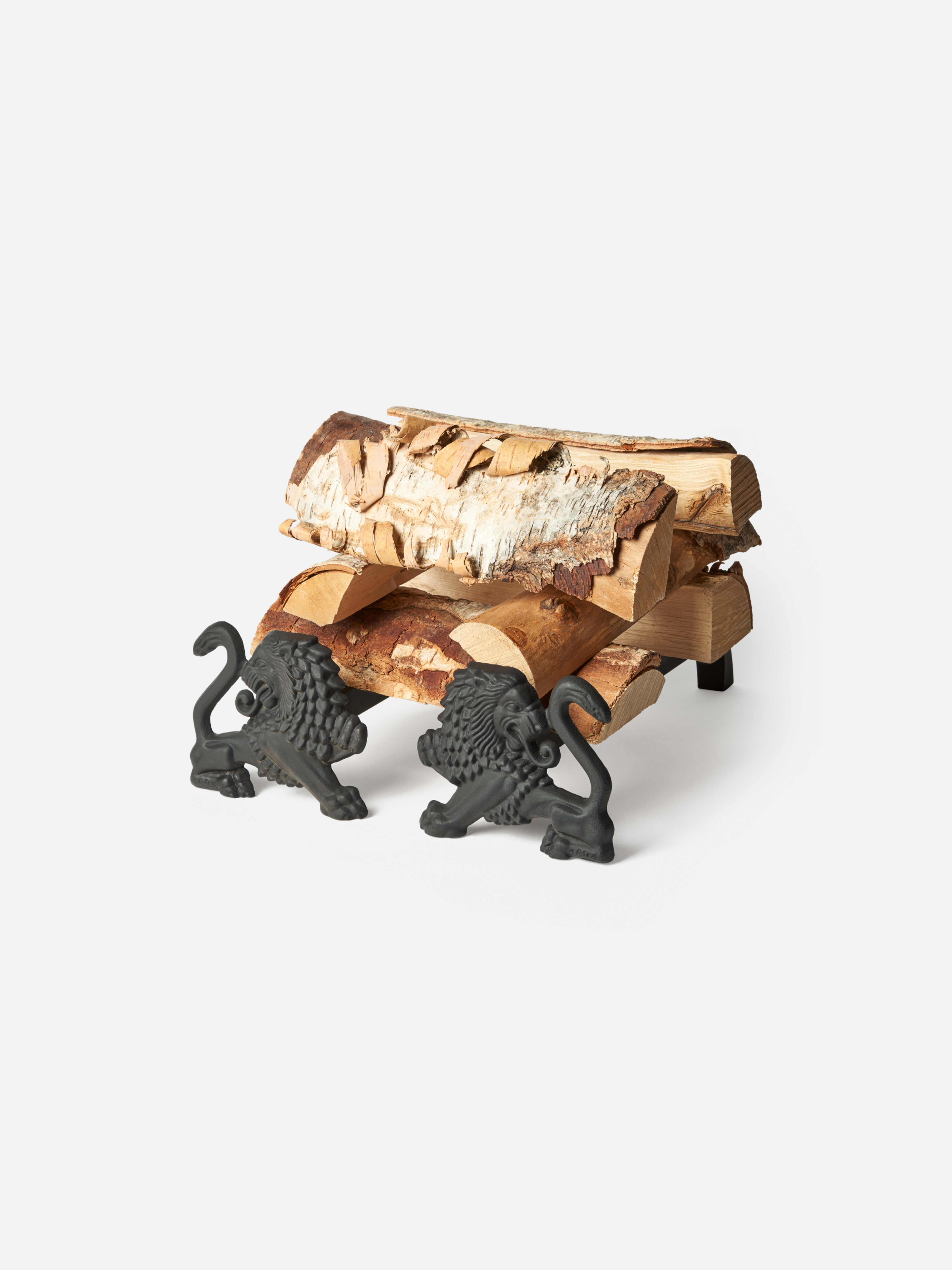
Mirror Lion
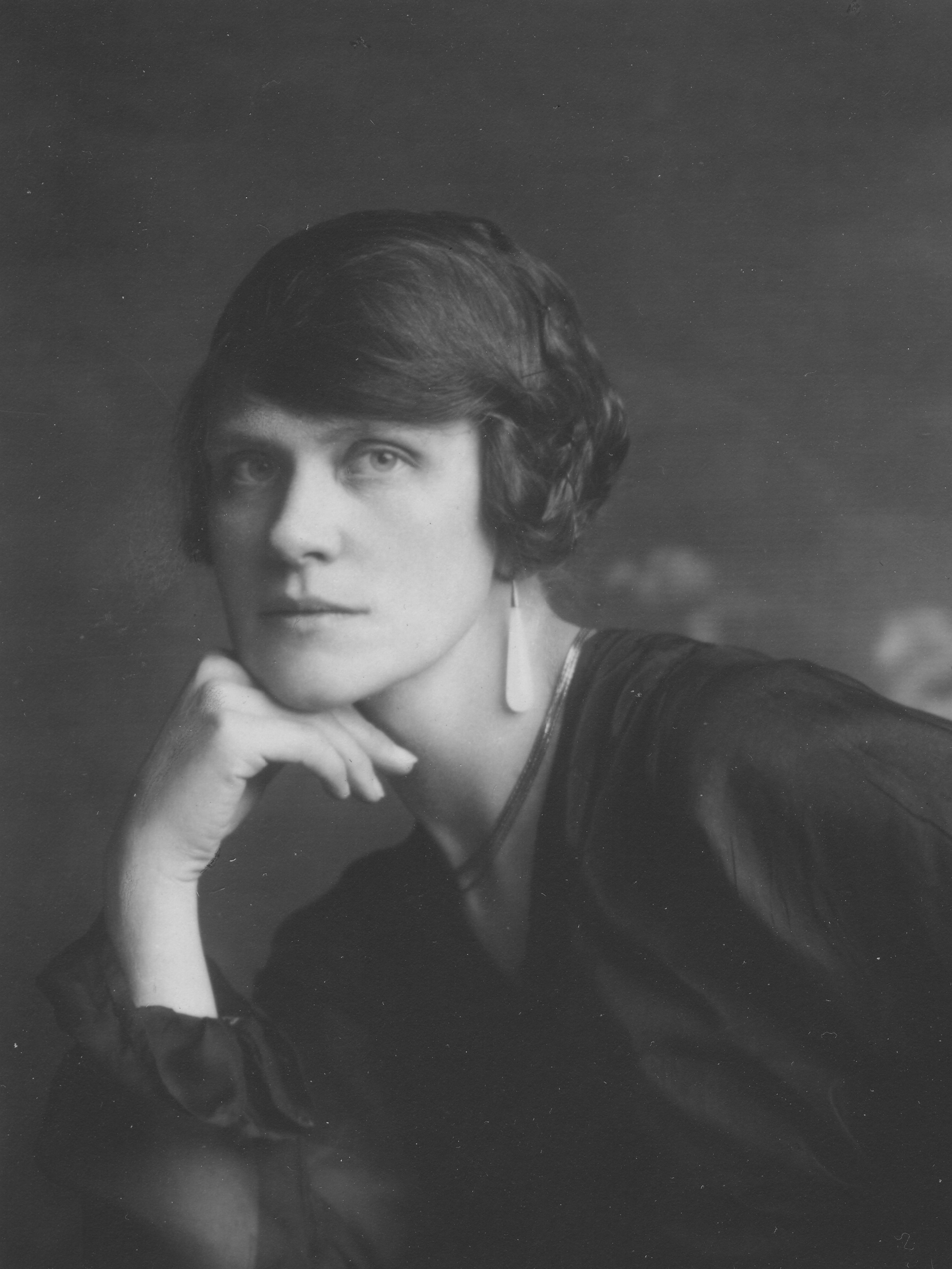
Anna Petrus was a prominent sculptor, artist and designer who was commissioned early on by Estrid Ericson to create objects for Svenskt Tenn. With her distinctive style and craftsmanship, she demonstrated the great possibilities of pewter and helped establish it as an important artistic material during the first half of the 20th century.

Anna Petrus (1886–1949) studied at Chelsea Polytechnic School in London. During her time in England, she also took part in suffragette marches and became involved in the campaign for women’s rights. After returning to Sweden, she continued her studies at Althin’s School of Painting and the Royal Institute of Art in Stockholm. Alongside her art, Petrus had a lifelong interest in dance. In 1917, together with her friends Märta Kuylenstierna and Siri Derkert, she staged an innovative dance performance, a form of total work of art, at Intima Teatern in Stockholm.
Petrus’s major international breakthrough came at the 1925 Paris World’s Fair, where her work was exhibited in the Swedish pavilion and in the main building, the Grand Palais. The Swedish neoclassical style that gained international recognition through the exhibition became known as Swedish Grace, and Petrus became one of the movement’s most prominent figures.
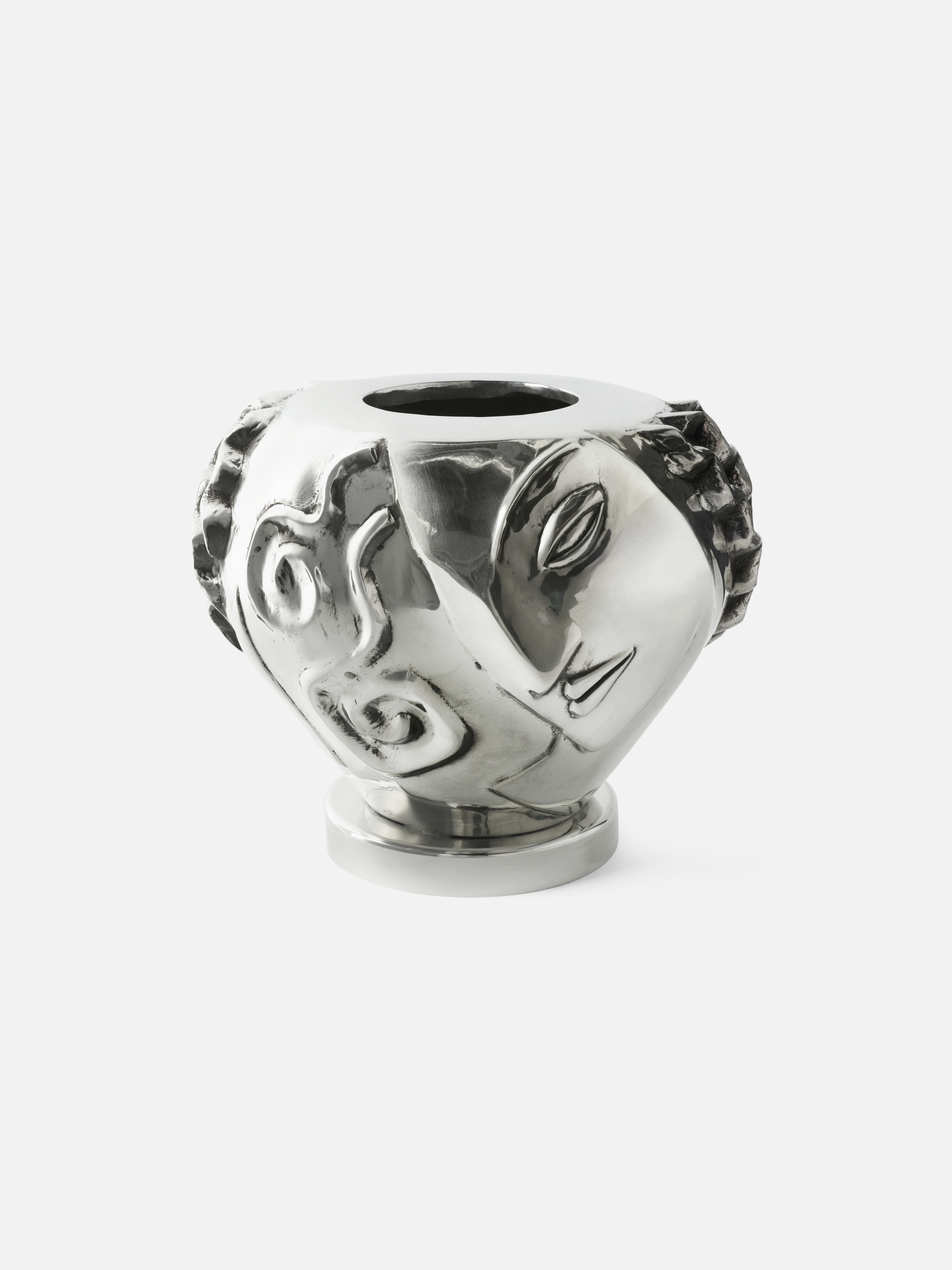
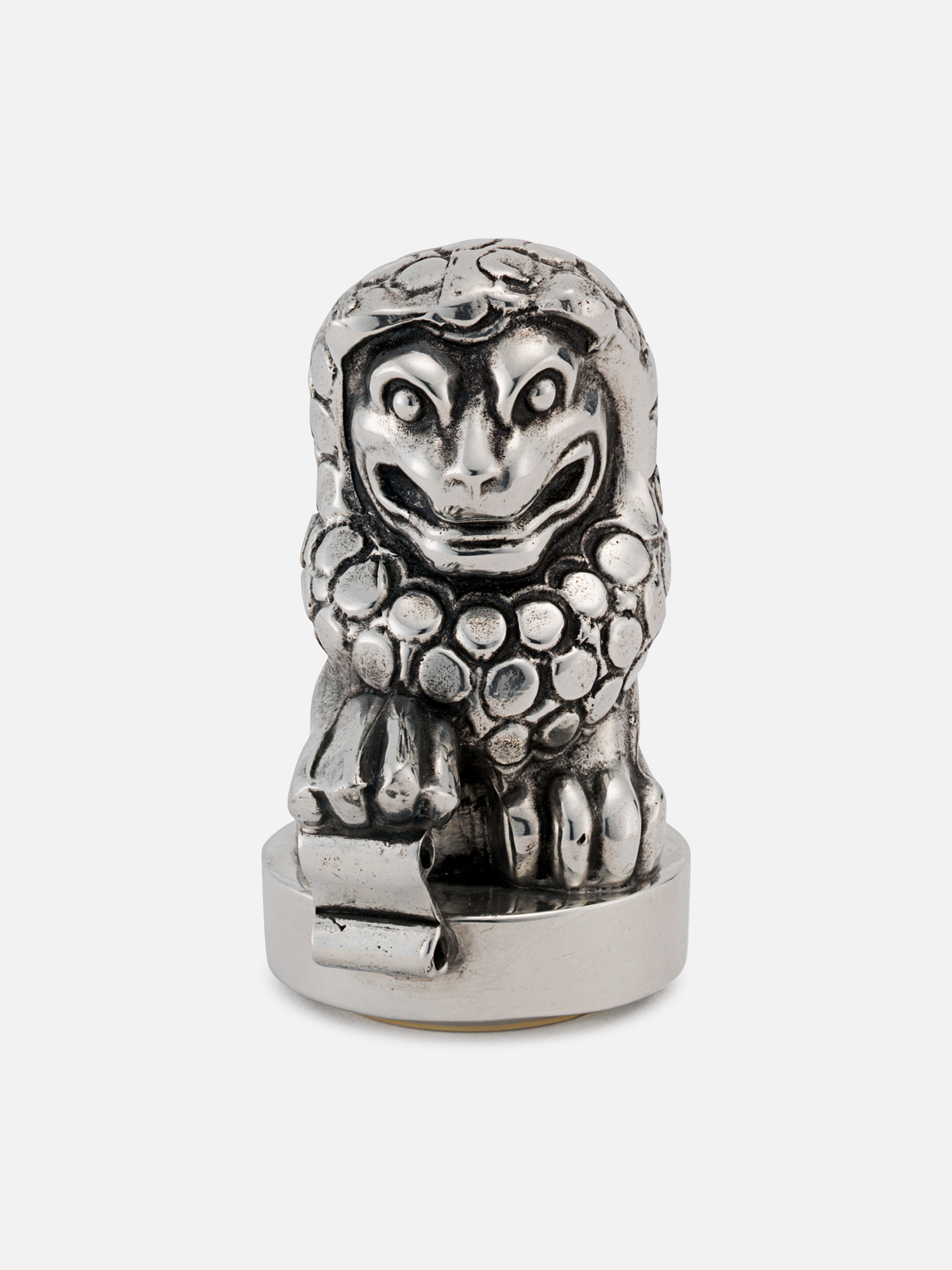
During the 1920s, Petrus began collaborating with Estrid Ericson and Svenskt Tenn. As a designer for the company, she created some of Svenskt Tenn’s best-known pewter objects, like the sculptural object Lion, Vase Profile, and Vase Head of Janus. Anna Petrus has made a lasting mark on Swedish art and design history and is today regarded as one of the most significant female artists of her time, not least through her collaboration with Svenskt Tenn.
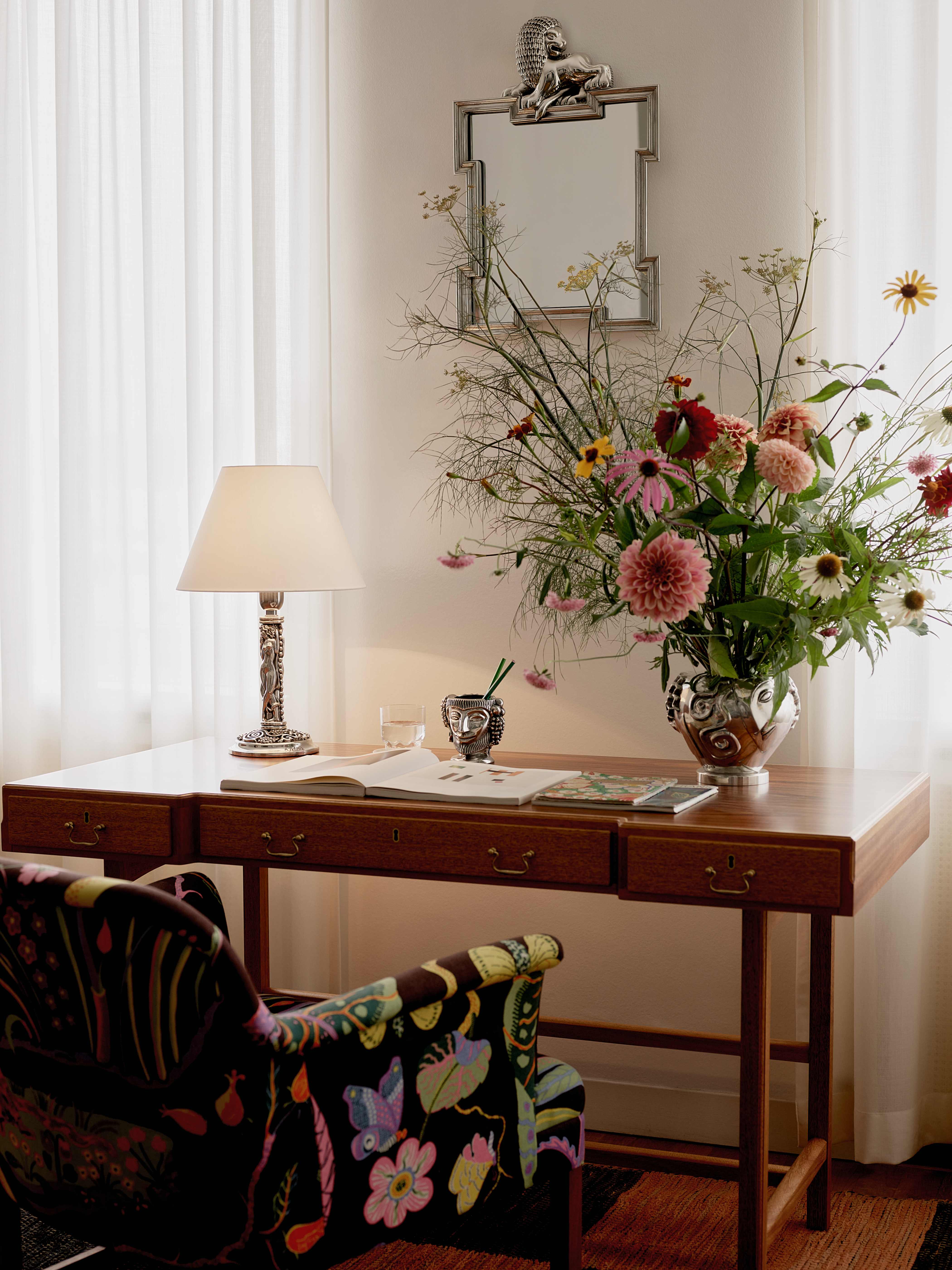
Pewter objects by Anna Petrus.
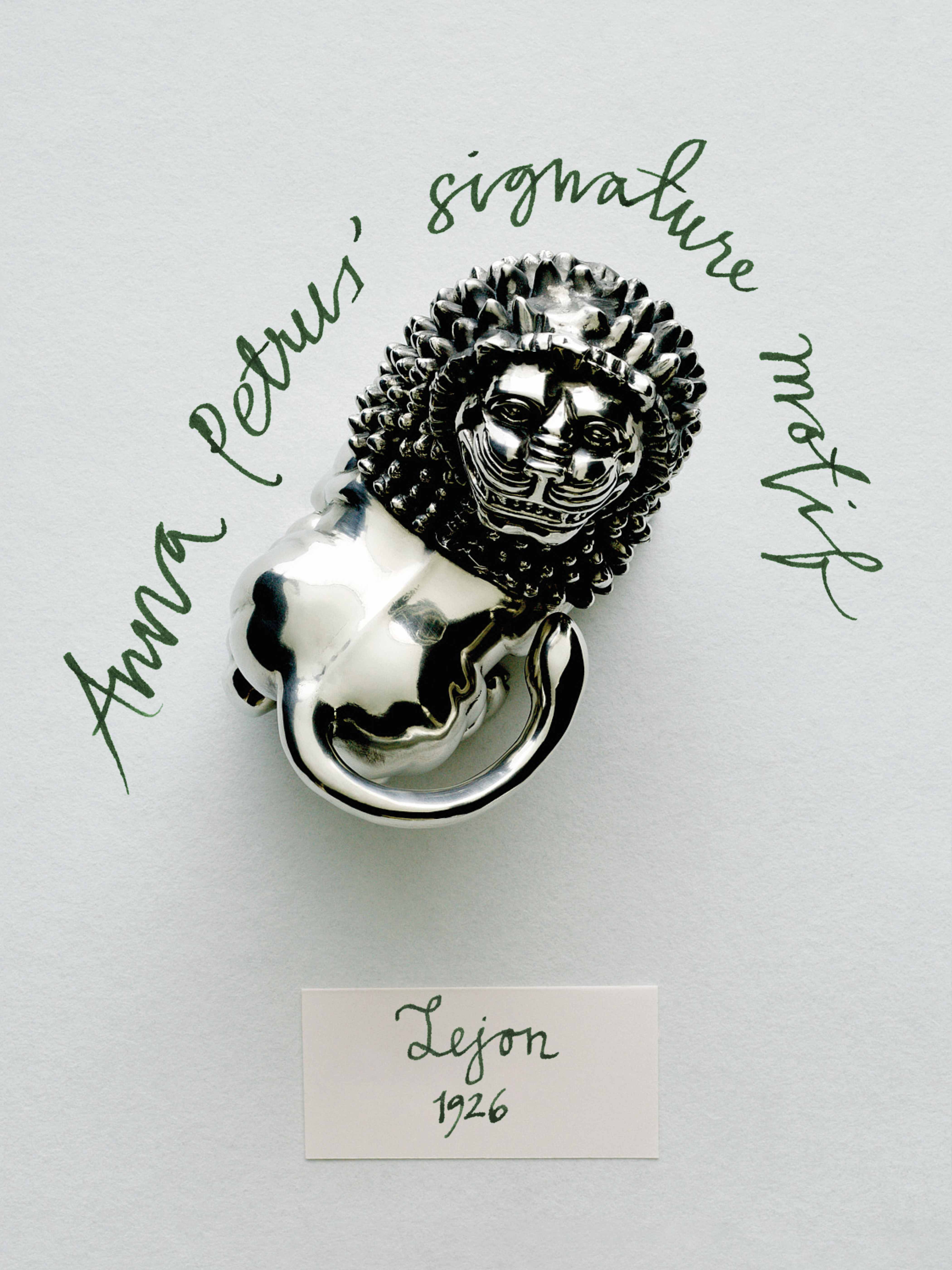

The Lion, Anna Petrus’ signature motif.


Table Lamp Anna Petrus in pewter is richly decorated with relief motifs depicting bunches of grapes and female figures.