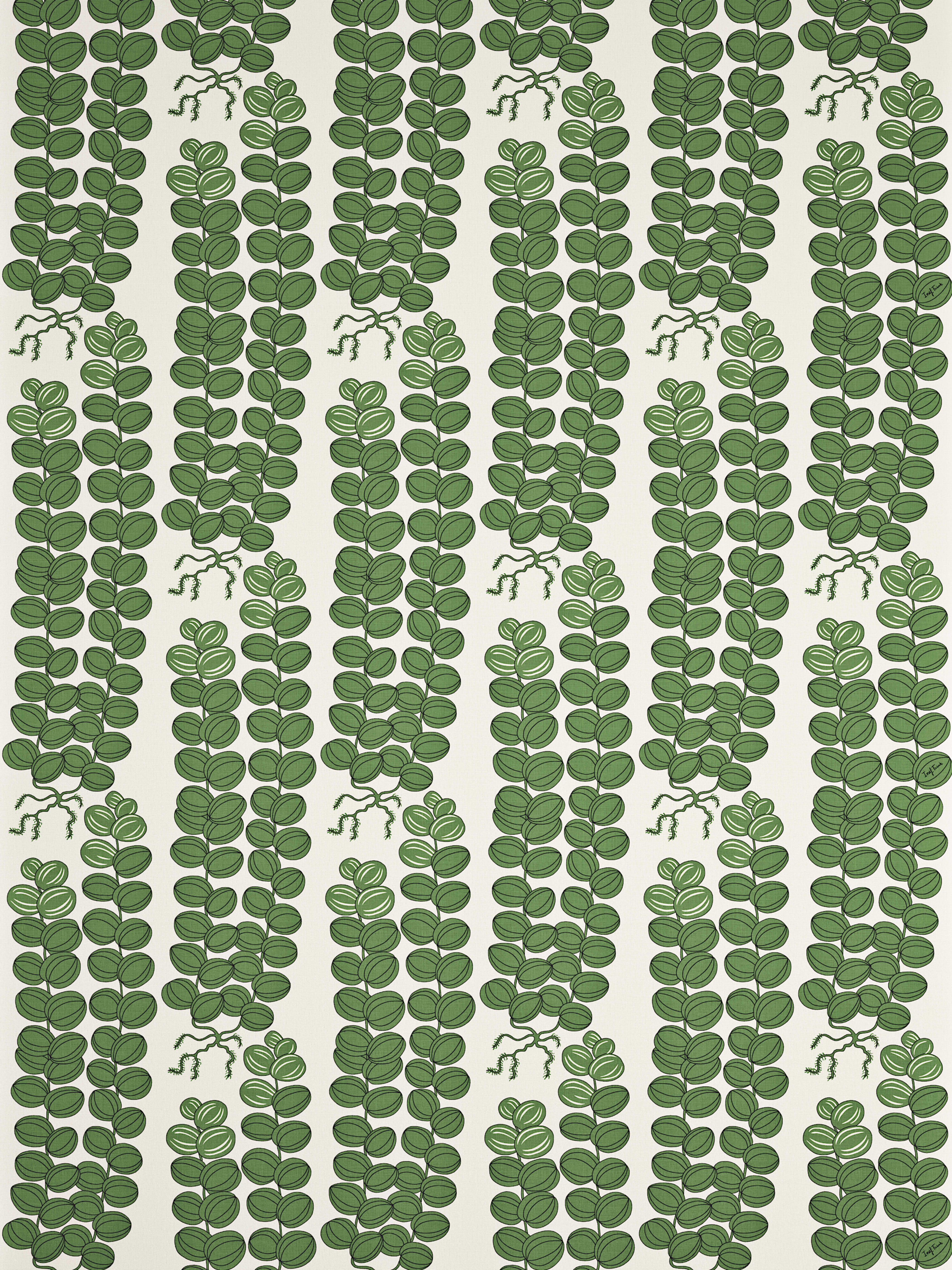
Textile Celotocaulis

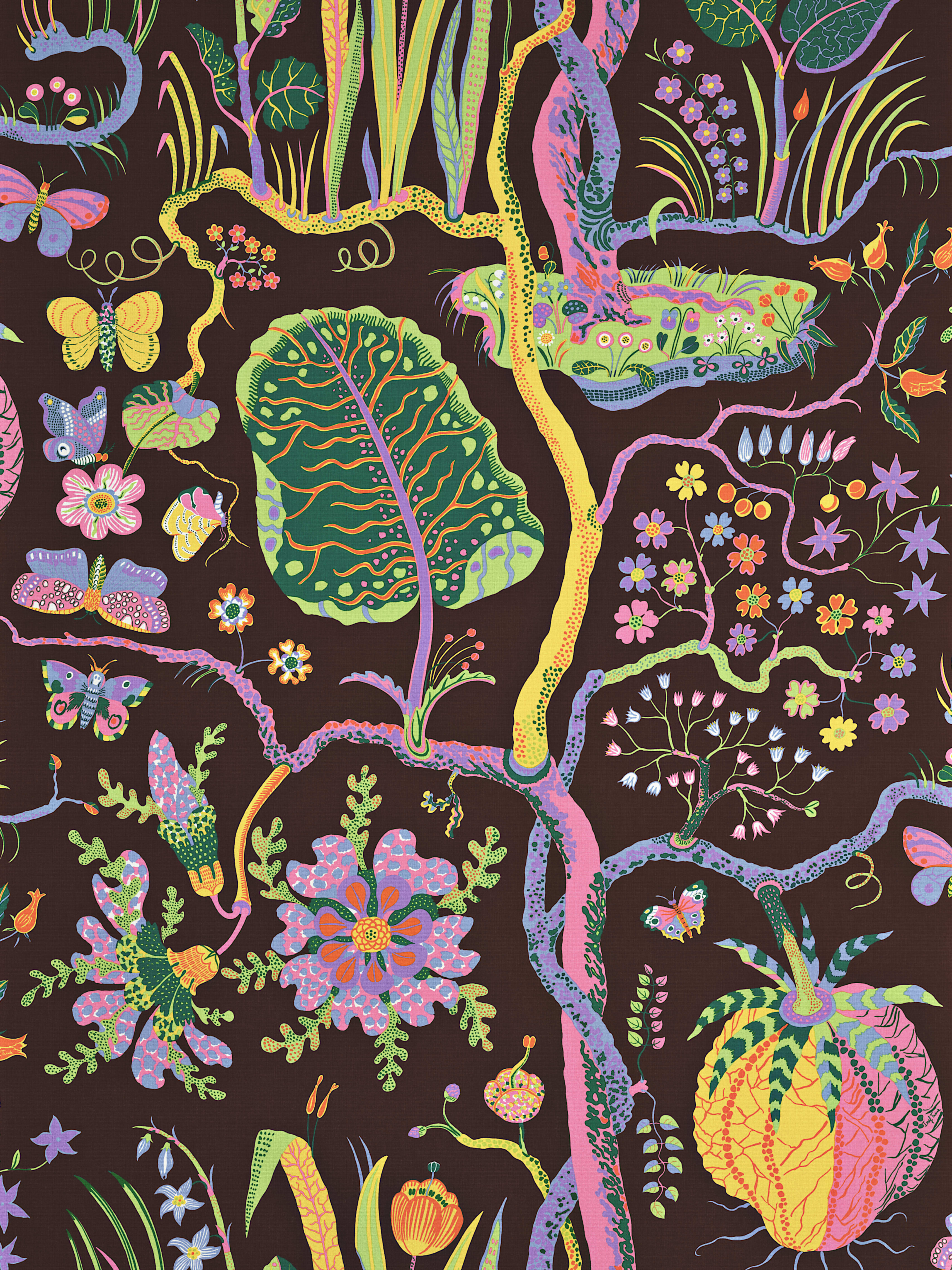
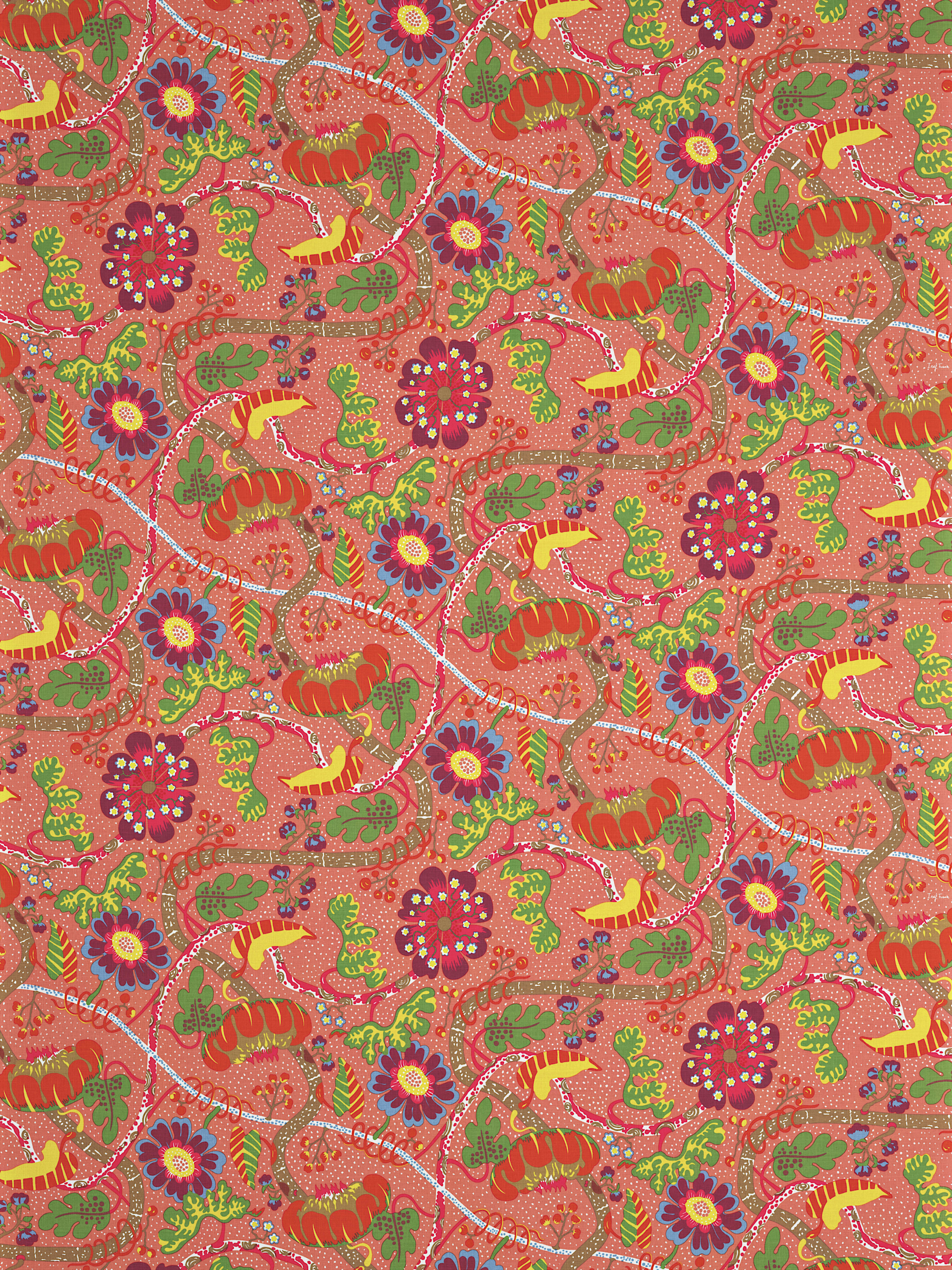
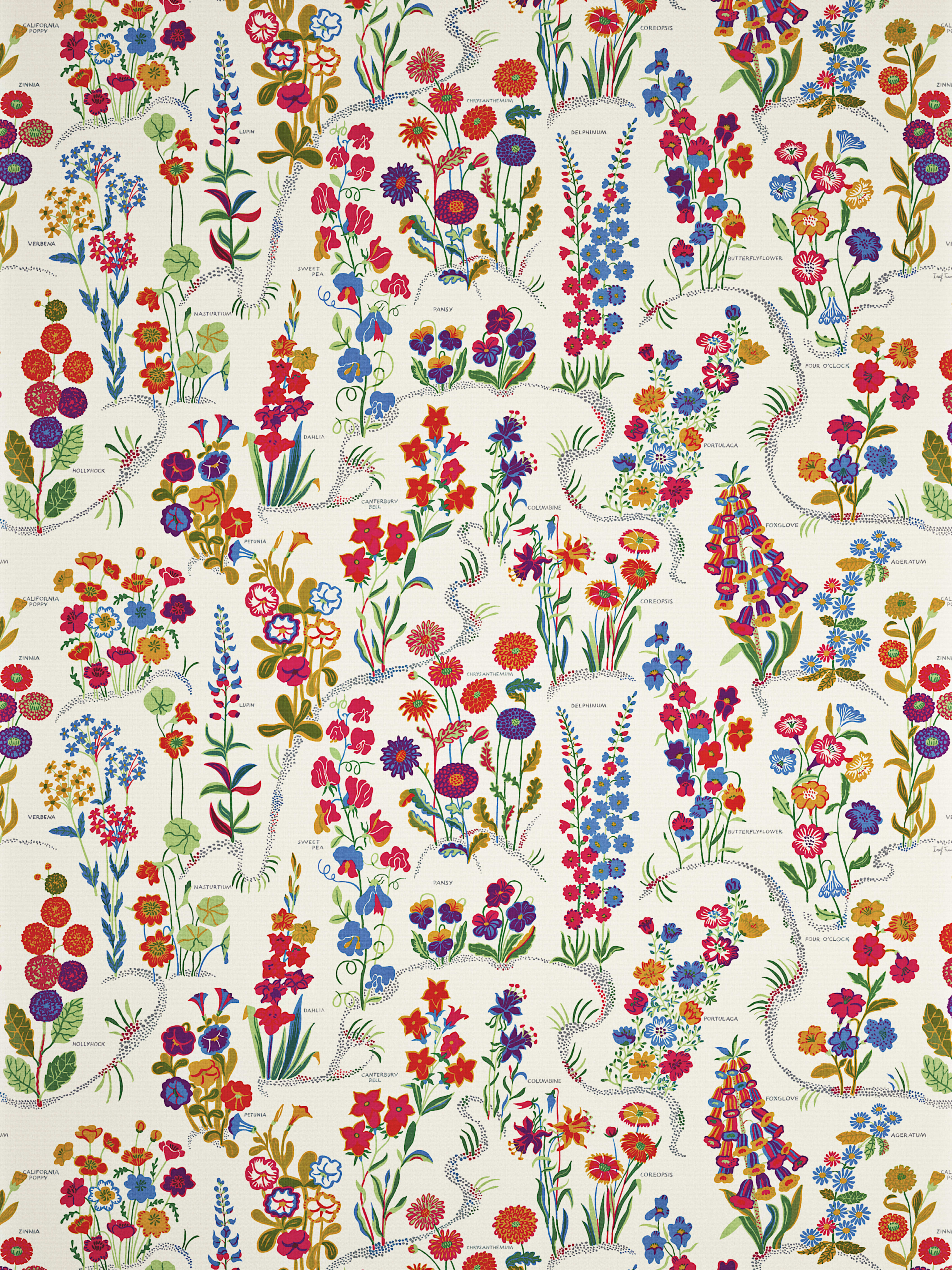
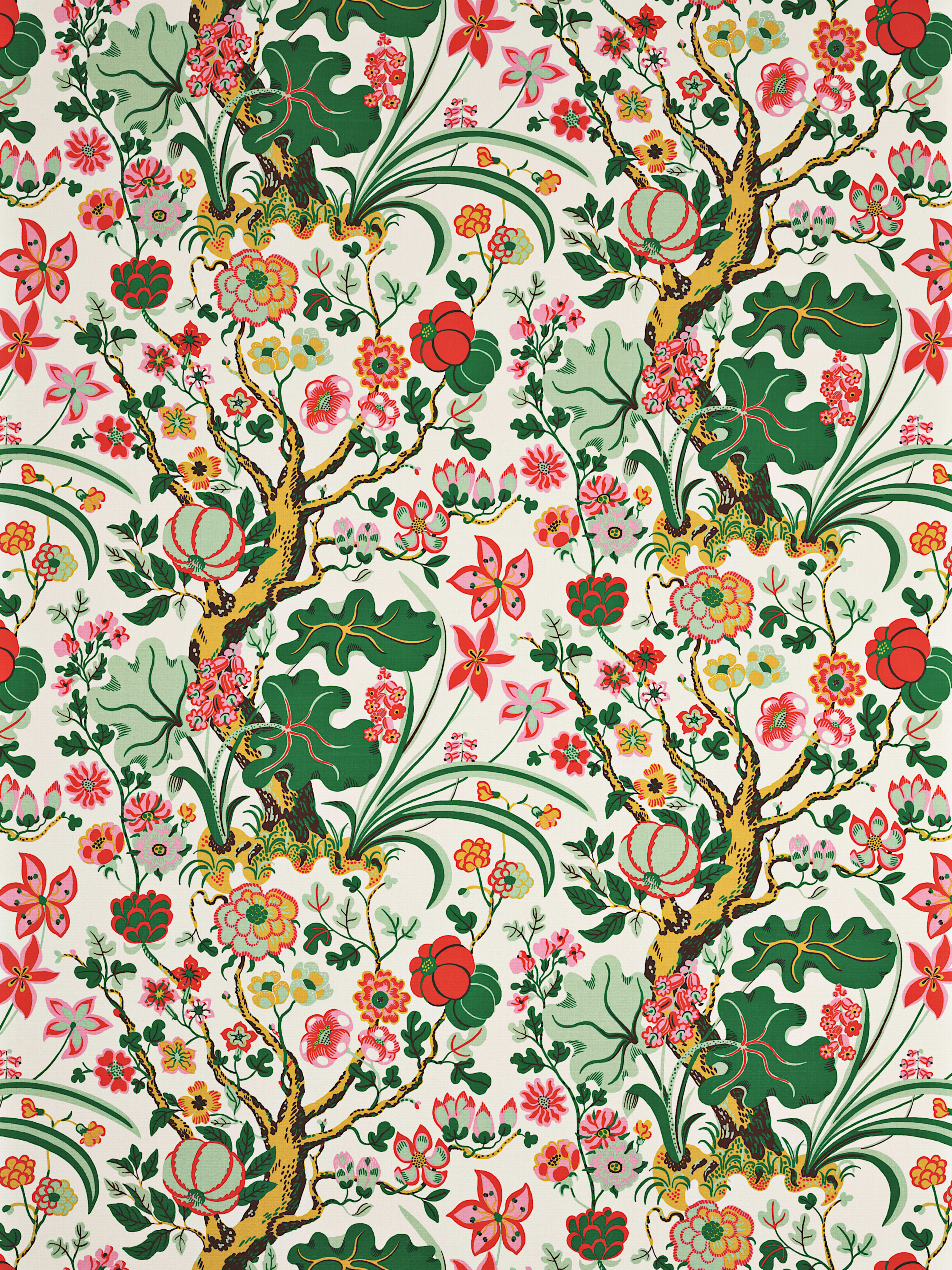
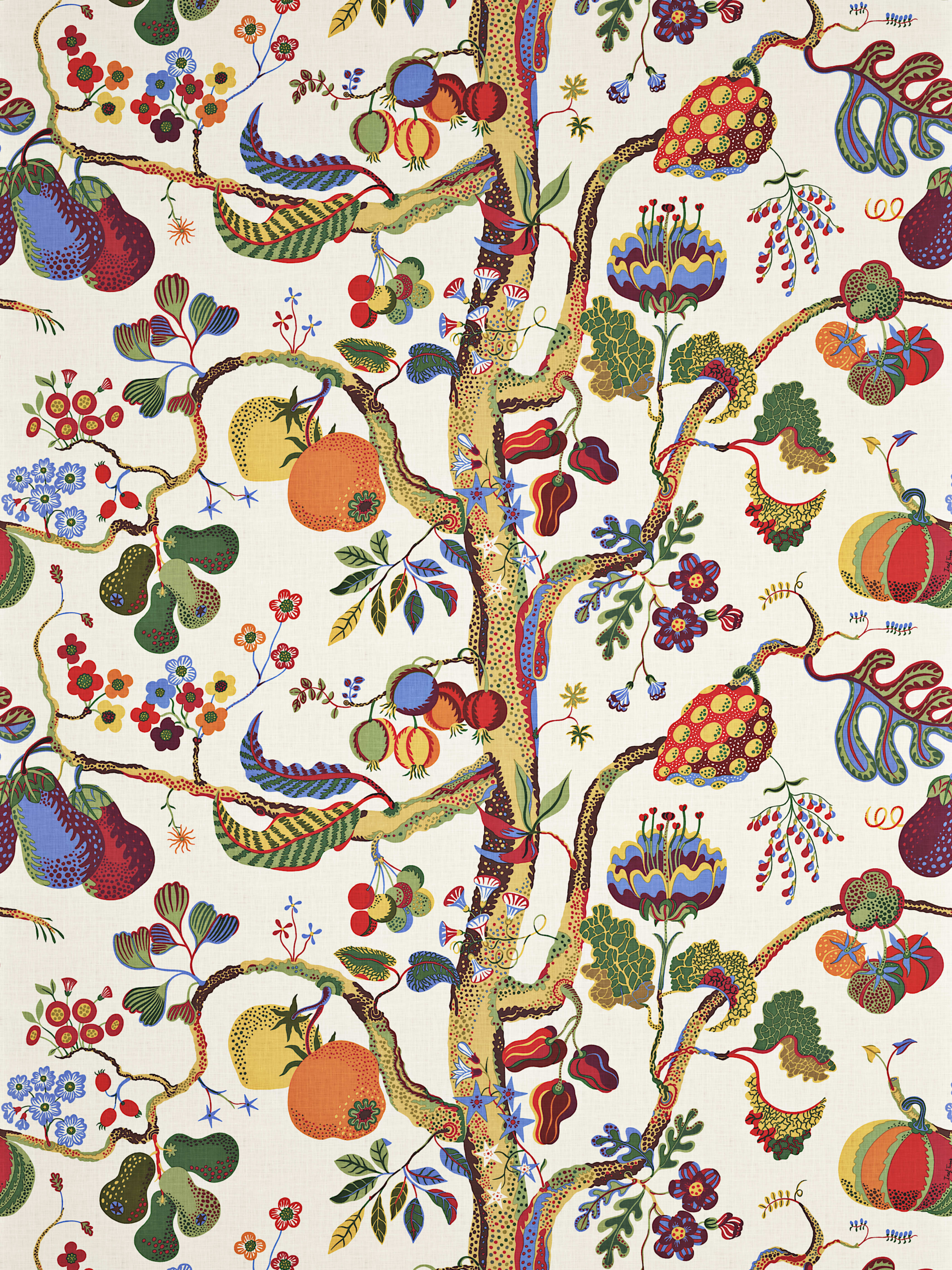
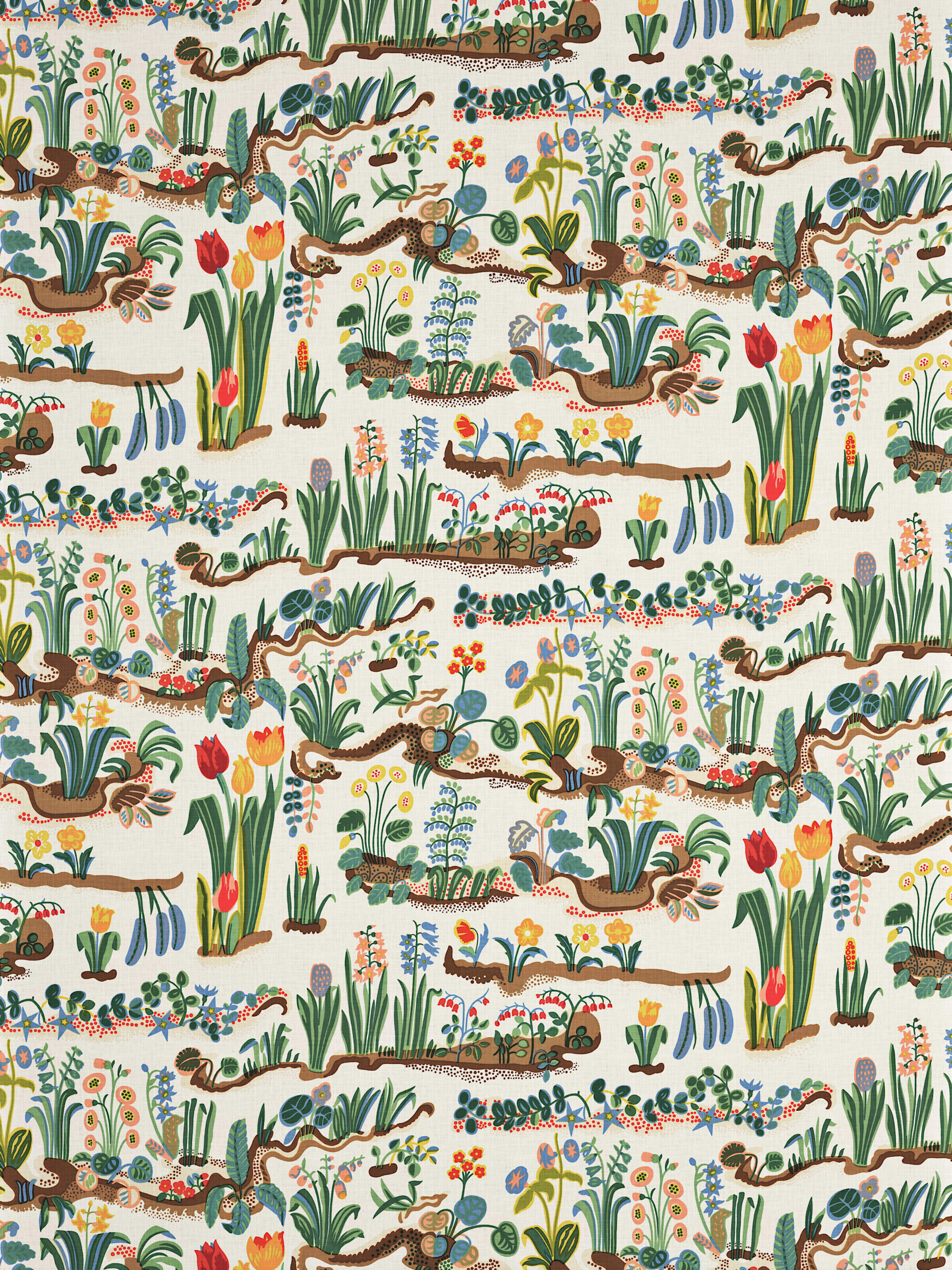
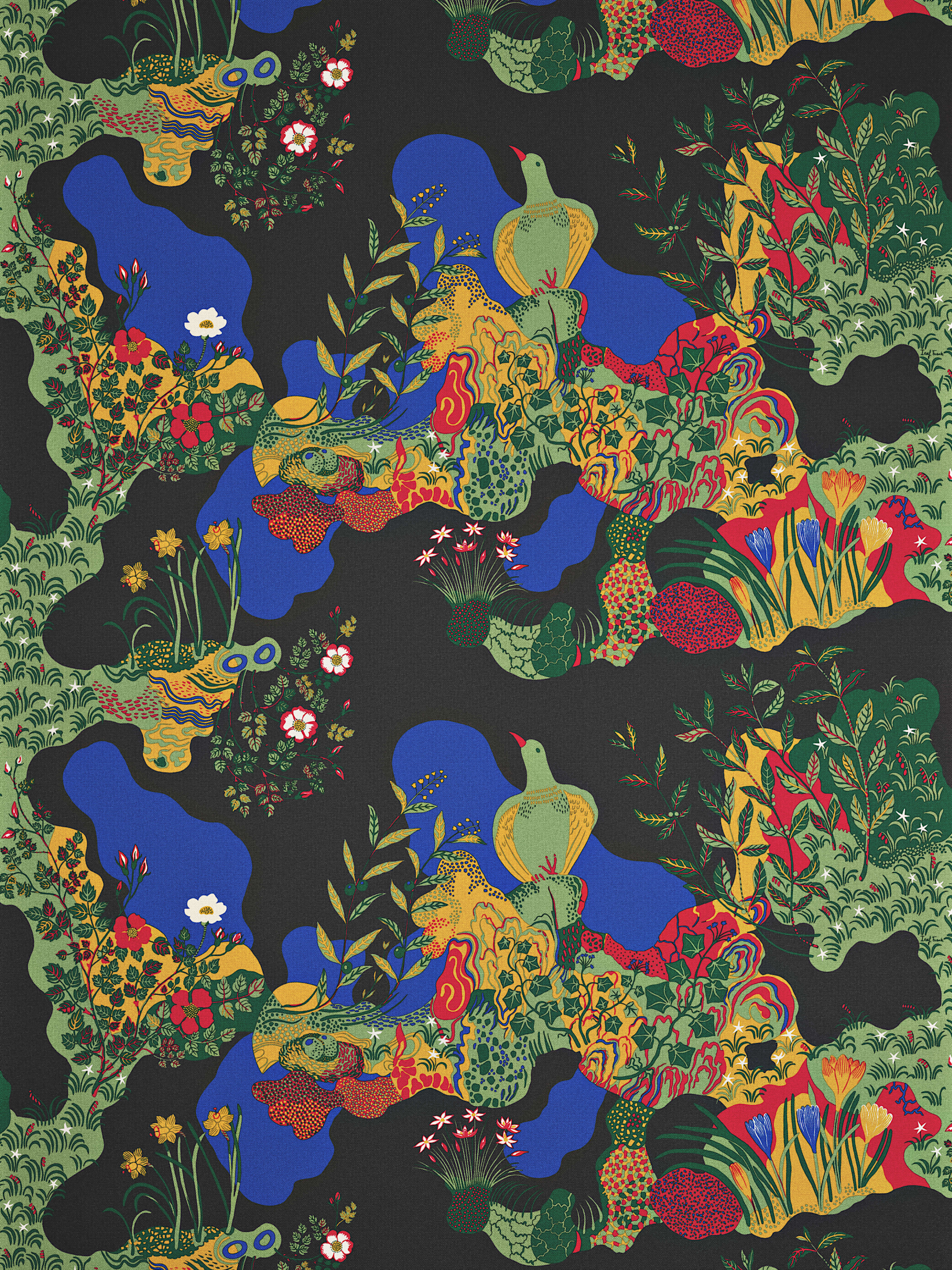
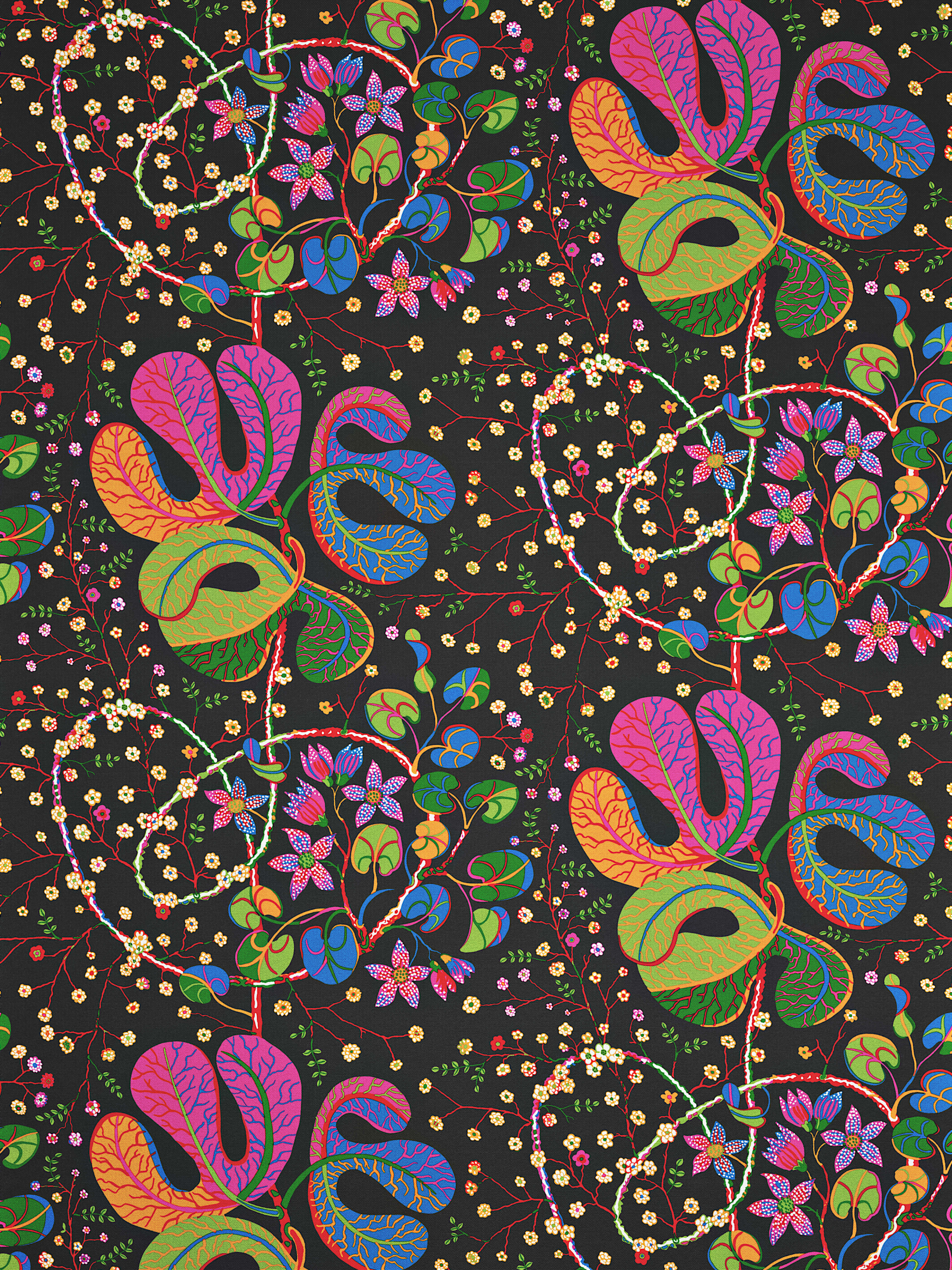
Josef Frank’s patterns continue to achieve new triumphs. One of the reasons for the success of the world-famous patterns is screen printing – a laborious but qualitative way of printing on fabrics.
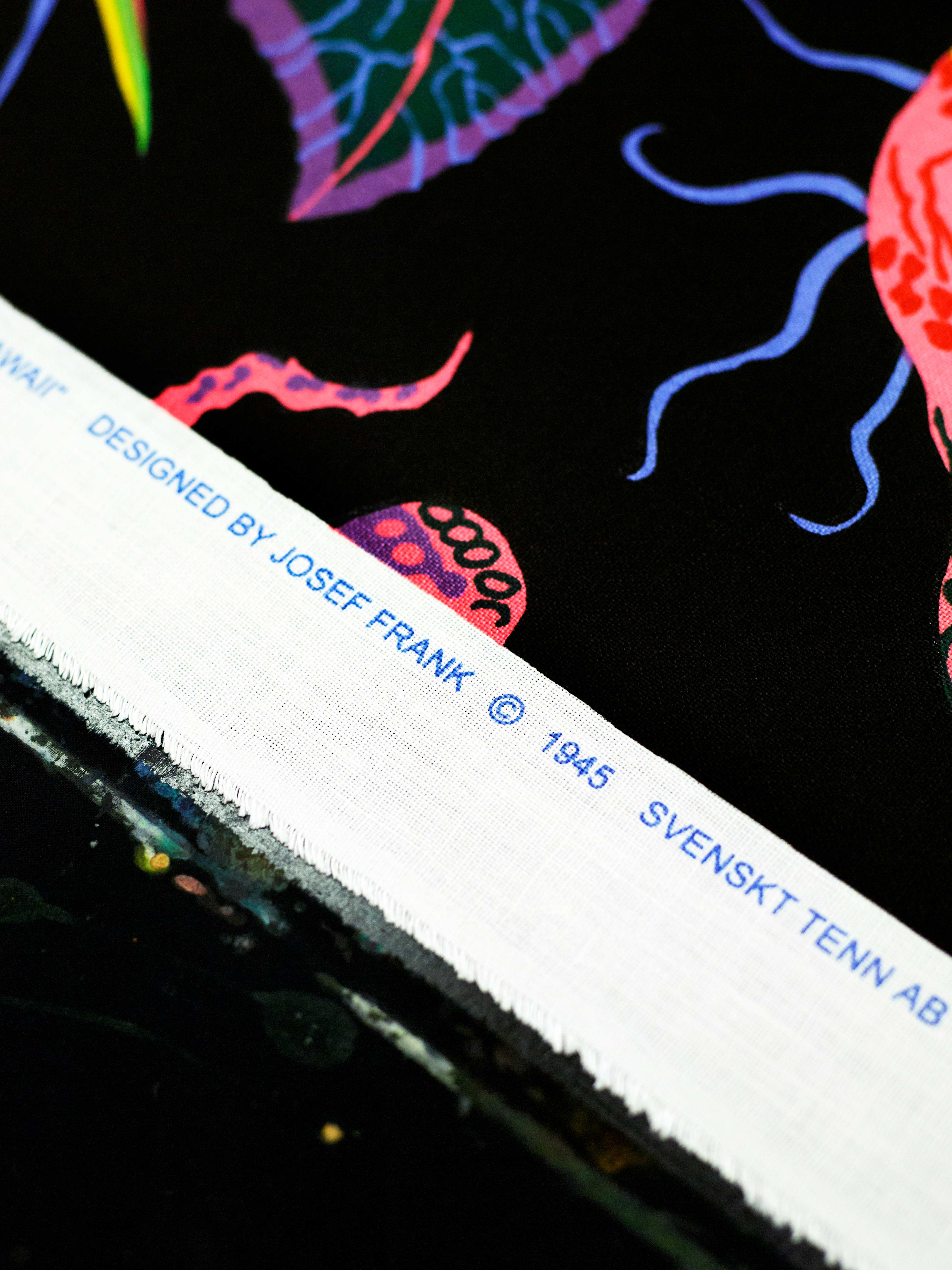
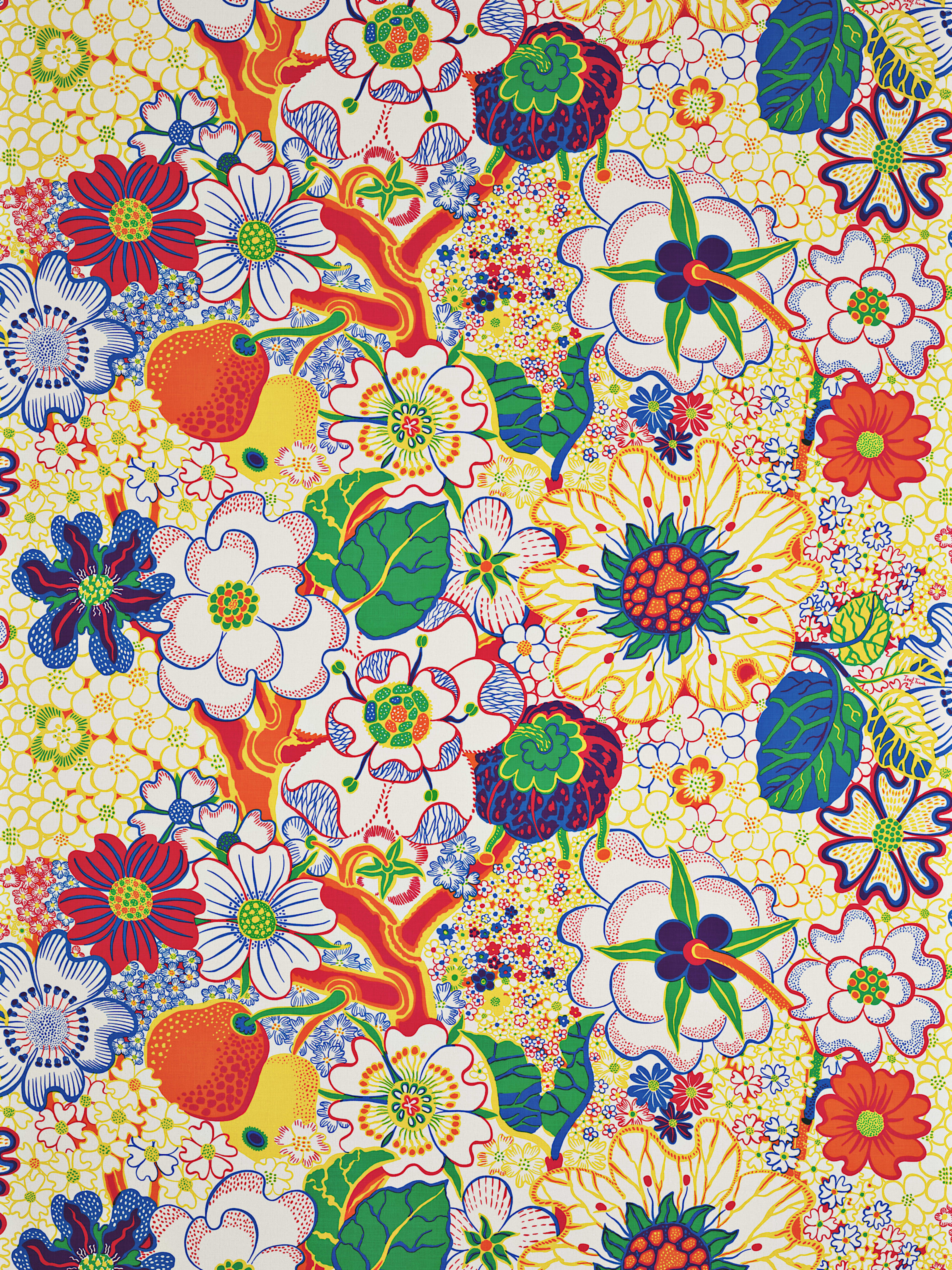
Screen printing on fabric is a time-consuming process. A mere 60 metres of a colourful pattern like Josef Frank’s “Hawaii” takes an entire day to print.
– But screen printing pays off in the long run,” says Thommy Bindefeld, Senior Advisor of Svenskt Tenn. “Not least because it is a printing process in which you can
work with overprinting. For example, you can print blue on yellow in order to produce a green surface.
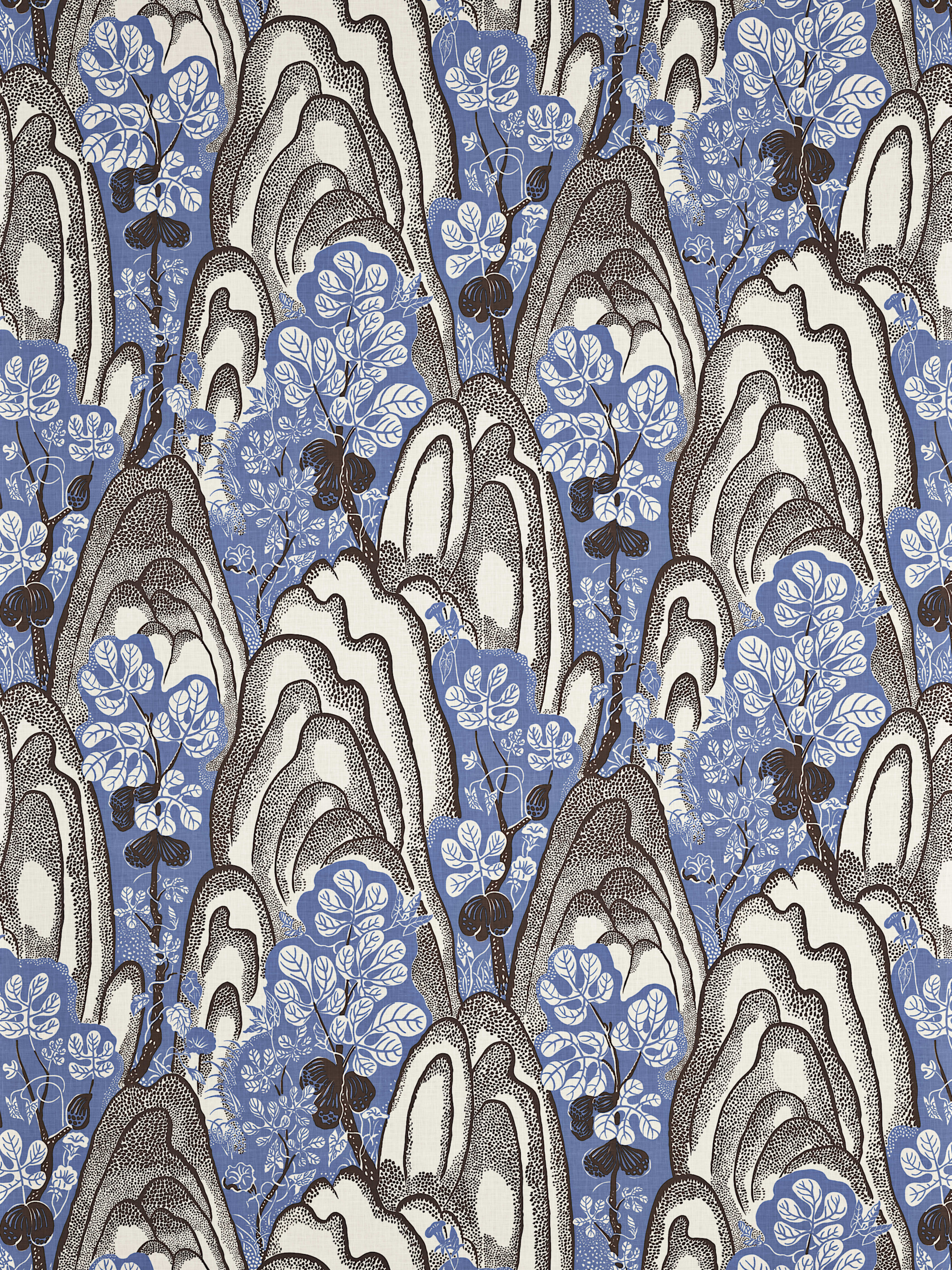
– Josef Frank knew how to utilise overprinting to its full potential, which gave his patterns a beautiful and animated surface. In his pattern ‘Brazil’ he even worked with three dyes in overprinting. That the Frank patterns are printed with reactive dyes is also important, both for the feeling of the fabric and for making it age with grace, Thommy Bindefeld explains and continues: –Reactive dyes enter the fibres of the fabric, in contrast to pigment dyes, which stay on the surface. The quality of the actual weave is also important for the end product.


Screen printing is a printing technique in which a fill blade is moved across a screen stencil, forcing ink or dye through the mesh openings. But before you reach this stage you have to produce the stencils.
The first step is to scan the original pattern in a computer and separate the colours. In a multistage process the pattern is then transferred onto a stencil. Each colour requires a separate stencil. For example, Josef Frank’s pattern “Hawaii” is printed in seven different colours, and because each core of the pattern has to have two stencils, a total of 14 stencils have to be made.

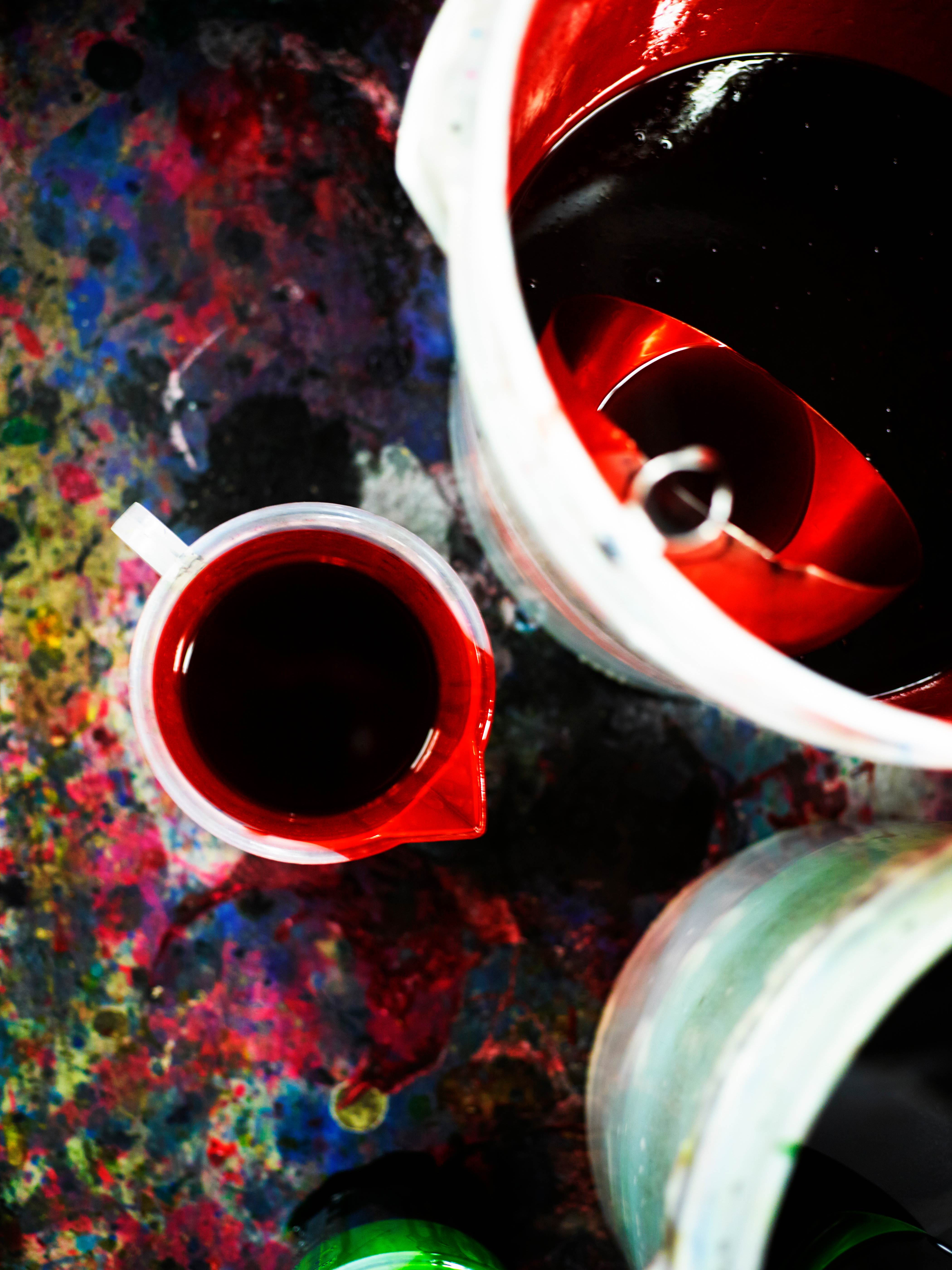
The printing table upon which Svenskt Tenn’s fabrics are printed is 60 metres long. Here one colour is printed at a time, for each core, so that the dye has time to dry before the rest of the cores are filled in. Nowadays a robot takes care of the hard work of moving the heavy frame, but nevertheless, two people are required, one on each side of the frame, to pour in dye and to control the process.
When the printing is finished, it is time to fixate the dyes under heat. Surplus dye must be rinsed off and the fabric has to be re-stretched. Before the fabric is ready for delivery, it is inspected manually. Stencil printing on textiles has a long history. The printing method was employed thousands of years ago in Egypt, China and Greece, where the “open” sections of the stencil let dye through. Stencils were made by leather, greased paper or metal. In order to fix them during printing, they were fastened with thread of silk or hair, which sometimes appear on old prints like thin lines between the stencils.
The next step of the development was to stretch a weave of silk onto a wooden frame and then fasten the stencils directly on the weave. The technique spread from China and Japan throughout Asia and arrived in Europe in the 18th century. It was frequently used for printing exclusive wallpaper on linen or silk. The first photo-based method was introduced in the early 20th century in the United States and revolutionised the technique. William Morris, who inspired many of Josef Frank’s patterns, is one of many designers and artists who have worked with screen printing. Louise Bourgeois, Roy Lichtenstein and Andy Warhol are others.