
Rug Frank in the Loom
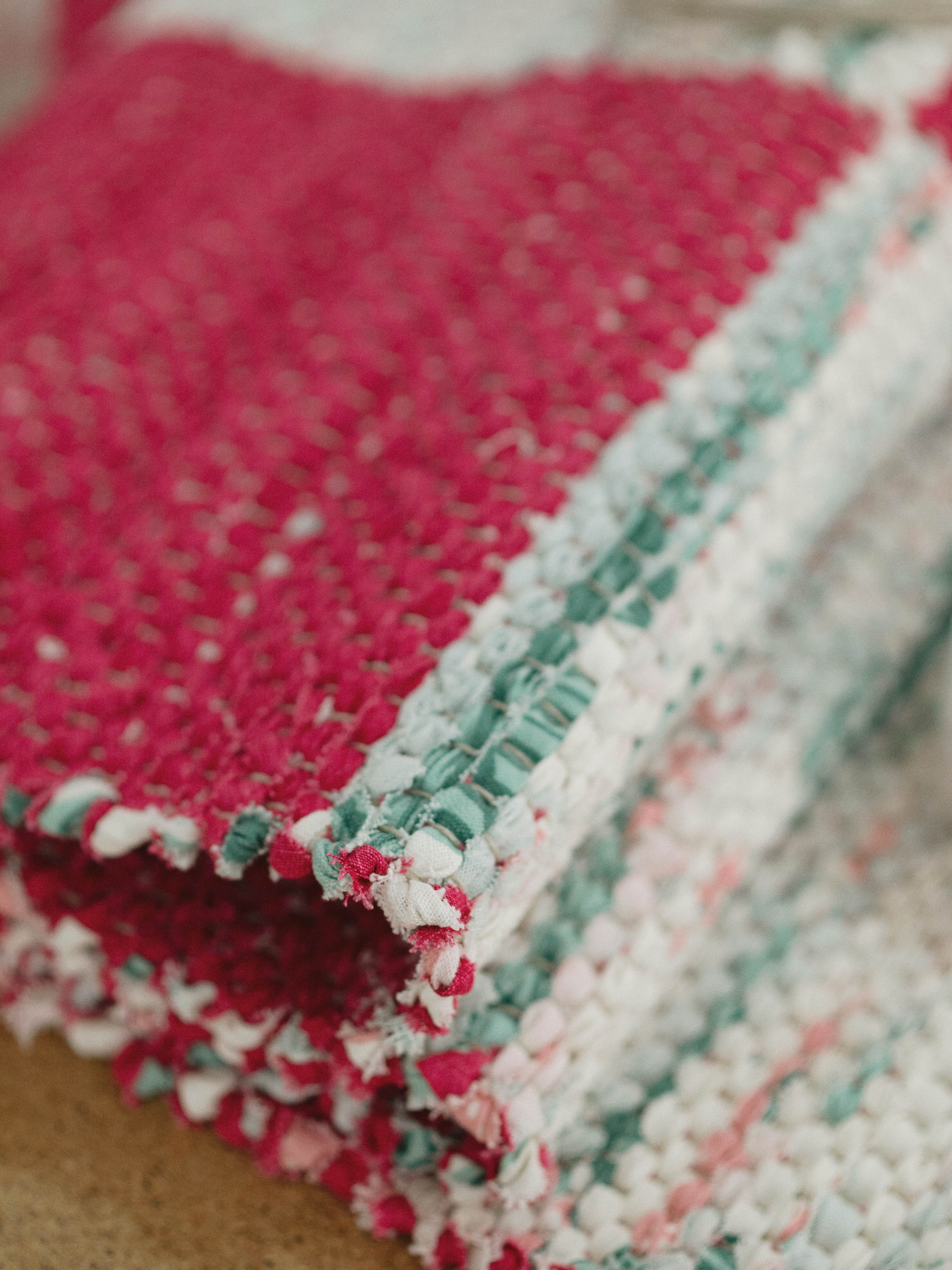
The rag rug, or double-weave rug, represents a unique fusion of craftsmanship and sustainability, timelessness and tradition. For spring 2025, Svenskt Tenn is creating five new rag rugs, designed to be cherished in homes for generations to come. The rugs are made of remnants from the production of Svenskt Tenn’s own linen fabric and Josef Frank’s iconic textiles. They are crafted by Vandra Rugs' skilled weavers in Ukraine.

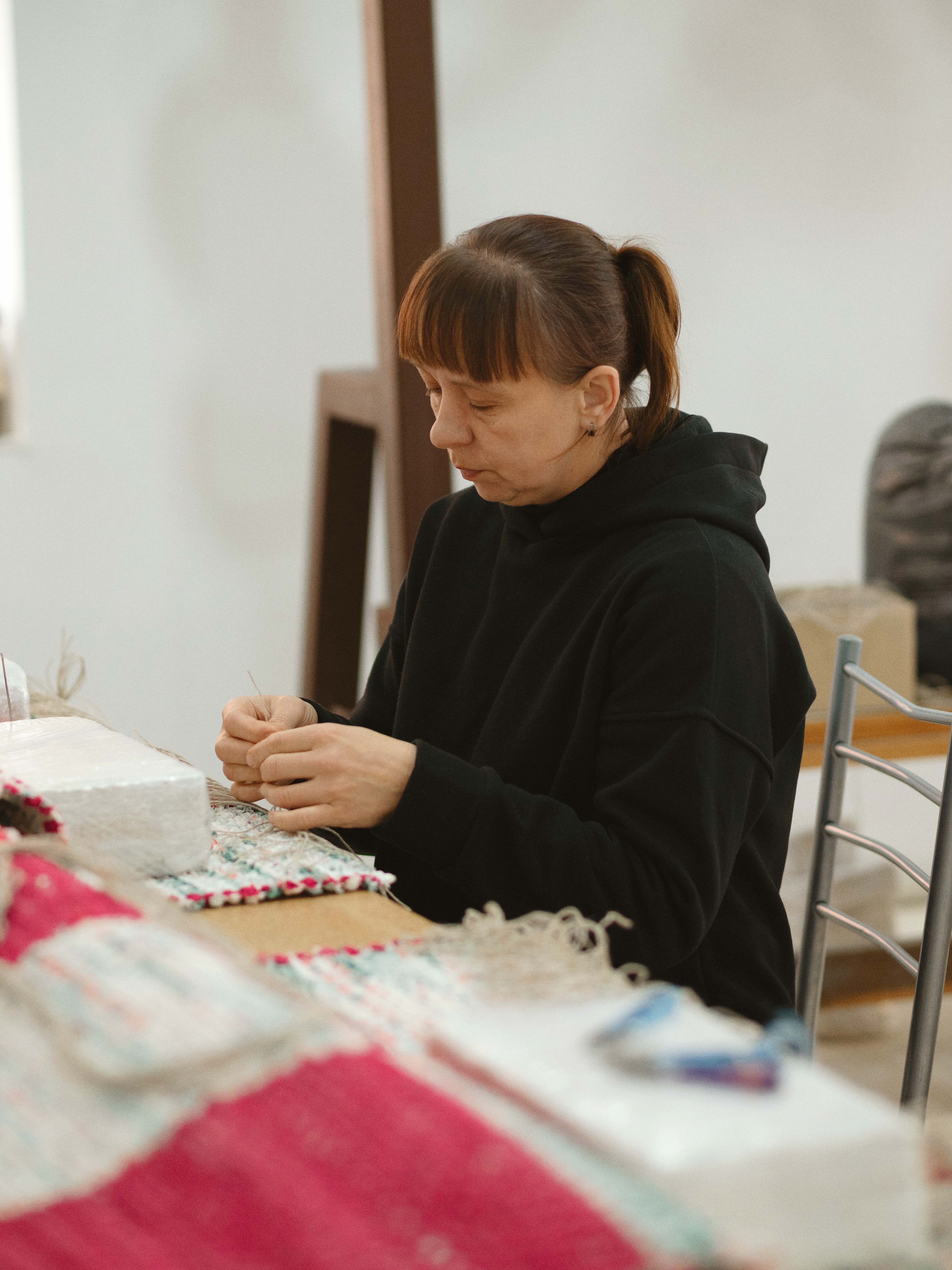
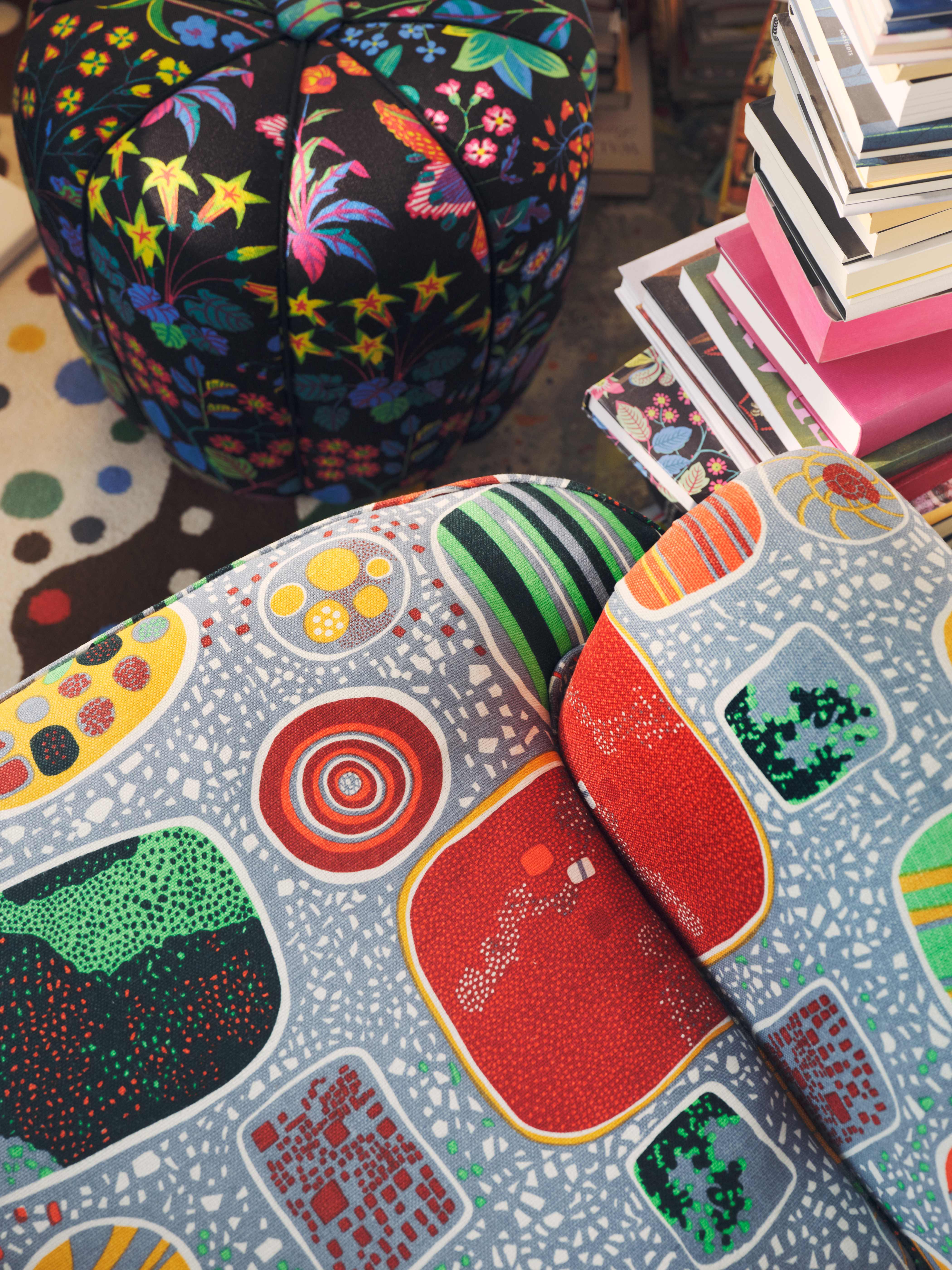
The new rug collection seamlessly combines traditional craftsmanship with sustainability. Each rug is a work of art, meticulously crafted by the women working in Vandra Rugs’ studio. Remnants from Josef Frank’s patterned textiles, Delhi, Brazil, and Gröna Fåglar, have been combined with solid colour linen and are woven by hand.
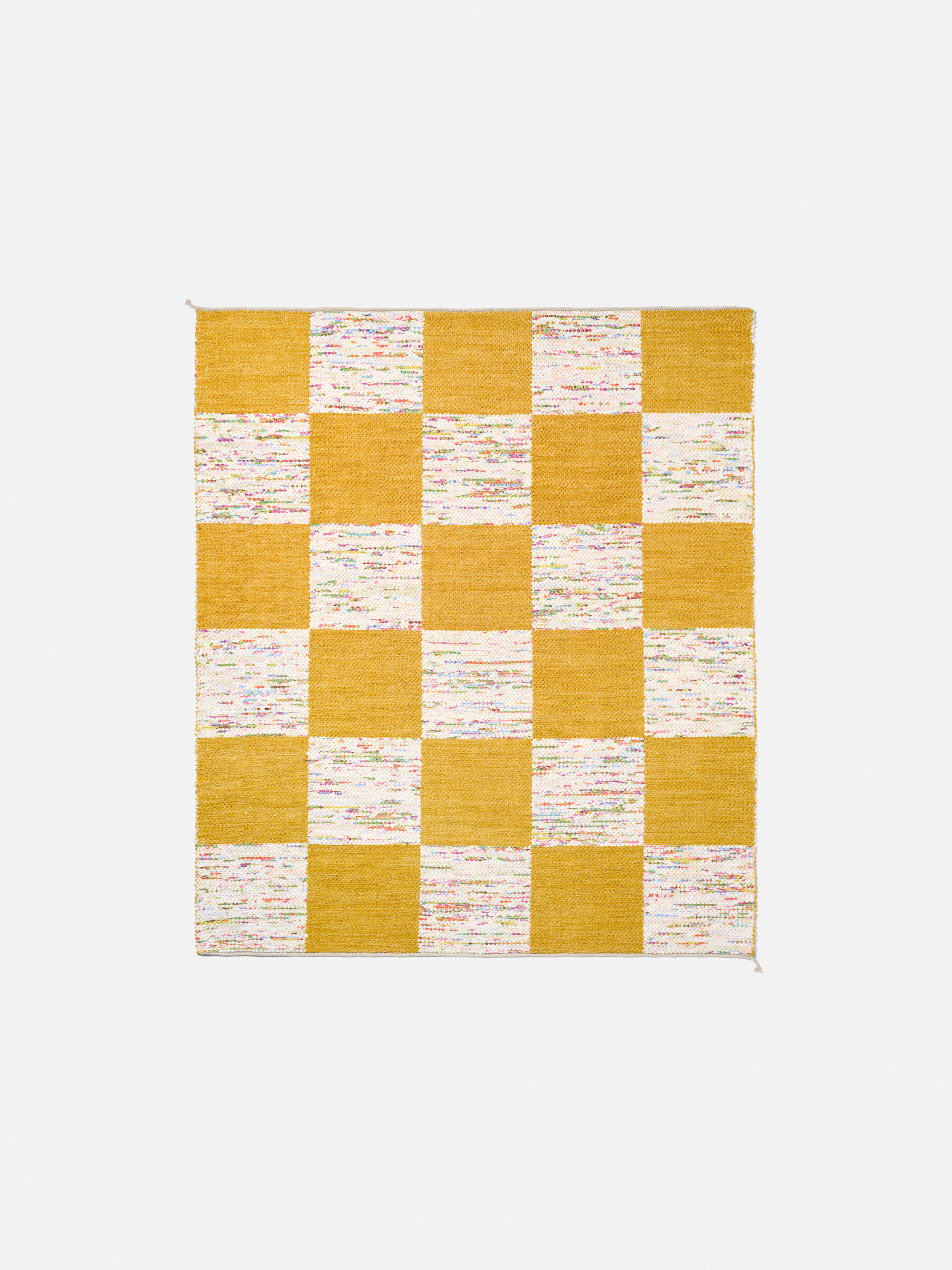
Rug made of Delhi and solid-coloured linen.
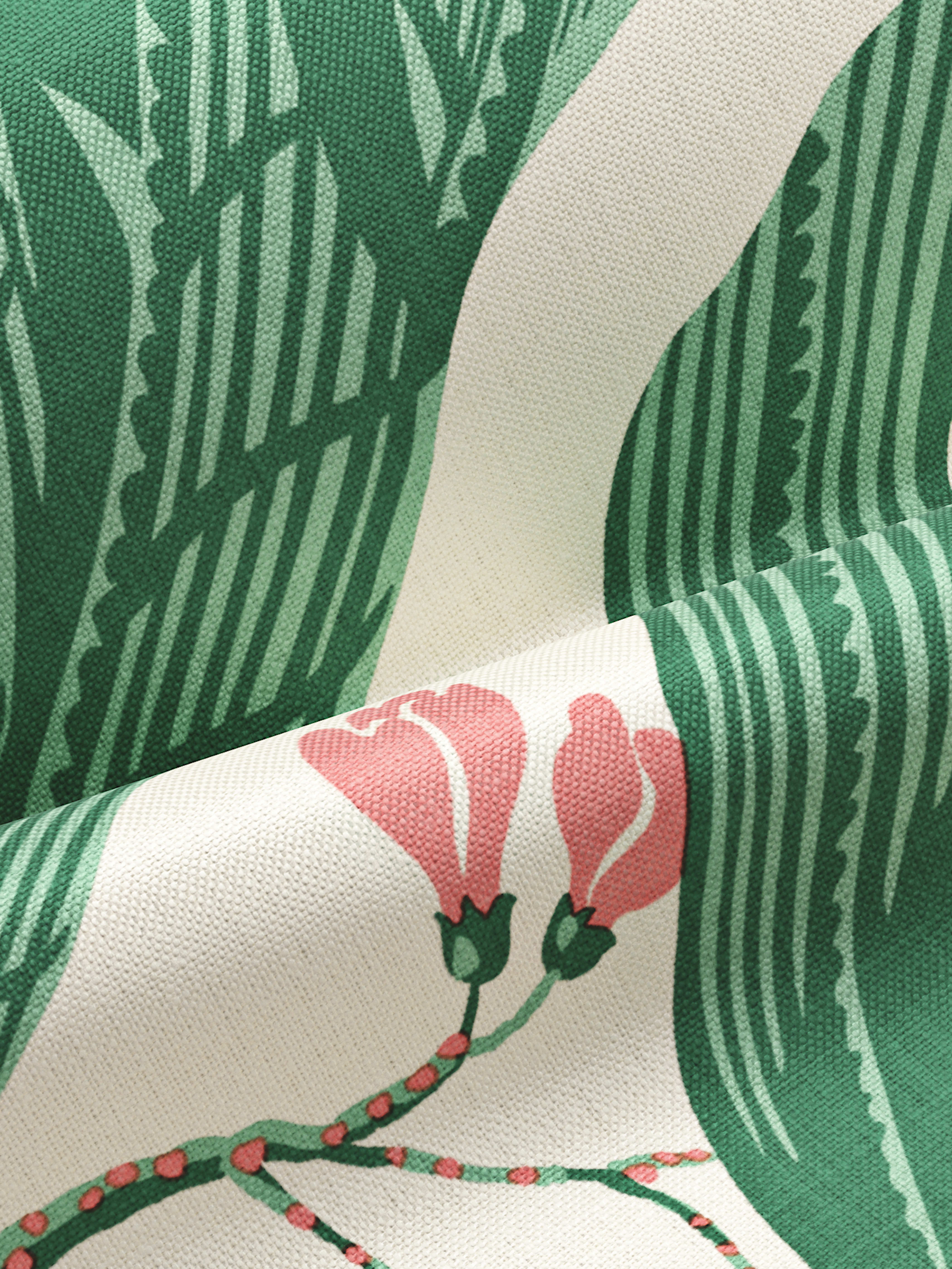
Josef Frank’s Delhi print.
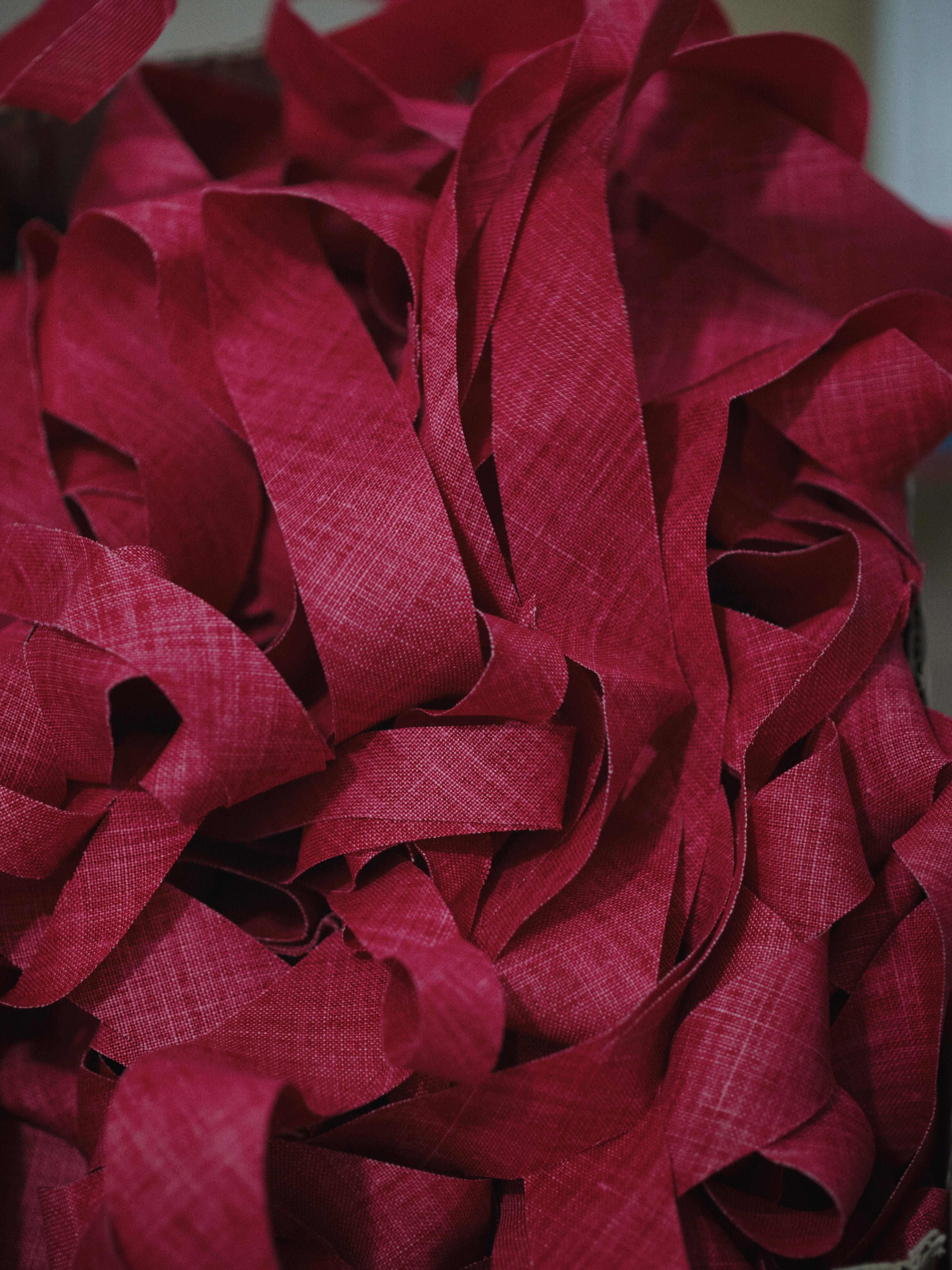
Cerice, solid-coloured linen.
The first step for the artisans in the studio is to create samples from the available fabric remnants. Linen fabrics differ from the cotton textiles traditionally used for double-weave rugs and require particular precision during weaving. The fabrics are cut into strips, which must be carefully prepared to ensure a dense and even weave. The fabrics are cut diagonally to create durable edges that won’t fray. Since diagonal cutting can produce shorter pieces of fabric, these are stitched together by skilled seamstresses into longer strips, approximately seven metres in length. This reduces the number of joins in the shuttle during weaving, ensuring a higher quality final result.
Once the fabrics are prepared, they are transferred to the loom. Each rug is handwoven using advanced weaving techniques. The loom is adjusted to the specific width of the rug, and the number of threads is meticulously calculated to achieve an even result. Narrow rugs are woven by a single weaver on 150 centimetre-wide looms, while larger rugs, up to 600 centimetres wide, require up to three weavers working together. On average, about one metre of rug is woven per day for narrower designs, while up to 1.5 metres can be produced daily for wider models. After weaving, the rugs undergo final finishing. Threads and edges are refined and smoothed, and labels are attached to each piece.


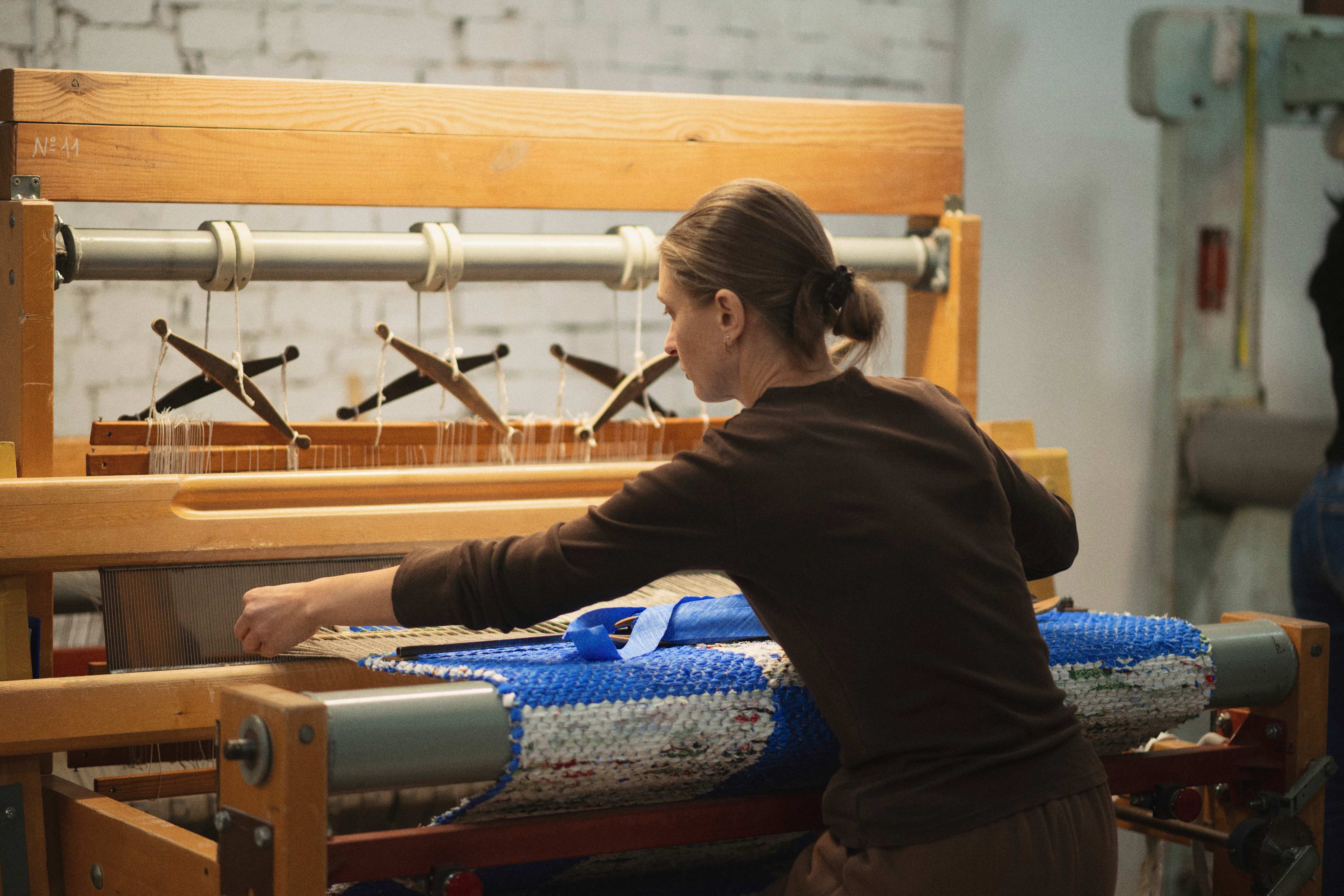
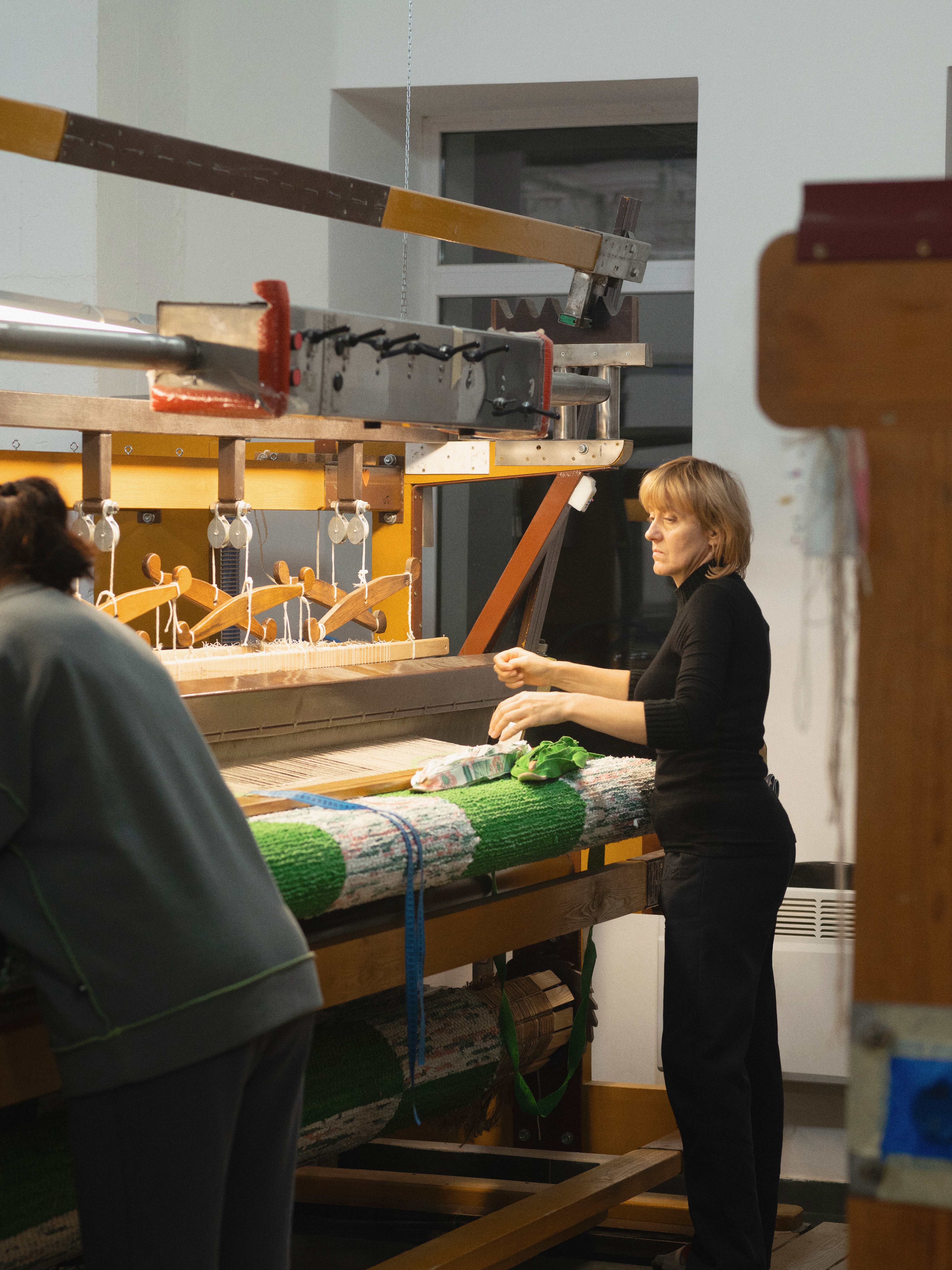

Founded in 2005, Vandra Rugs traces its roots to the classic textile company EMTE Textil, established in the 1940s by Professor Edna Martin and Margit Thorén. Through its network of skilled weavers, EMTE Textil produced high-quality handwoven rugs and textiles. Margit Thorén also played a pivotal role at Svenskt Tenn, where she served as head of the newly established fabrics department from 1934 to 1943. She designed the double-weave Schackruta rug and the Vägen upholstery fabric for Svenskt Tenn.
In the 1980s, Barbro Thessing took over EMTE Textil, further developing both the weaving studio and its production. Since 2005, Vandra Rugs has continued this heritage, collaborating today with international artisans. Their production in Ukraine combines traditional Swedish craftsmanship with a global, modern vision. The result is rugs that embody both artistry and quality. The craftspeople are women from Ukraine, where Vandra Rugs’ production provides vital employment opportunities and income.