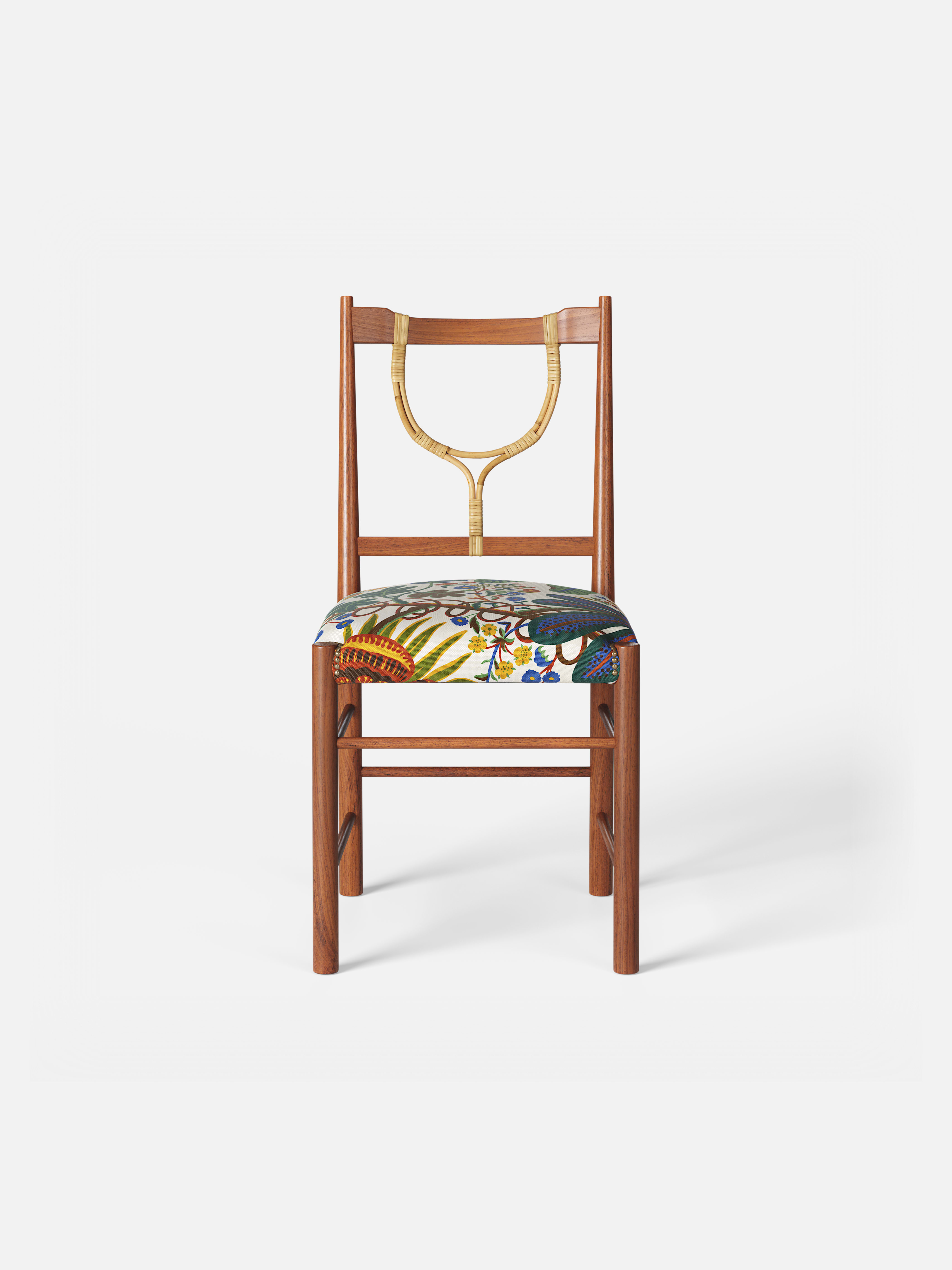

Armchair 311

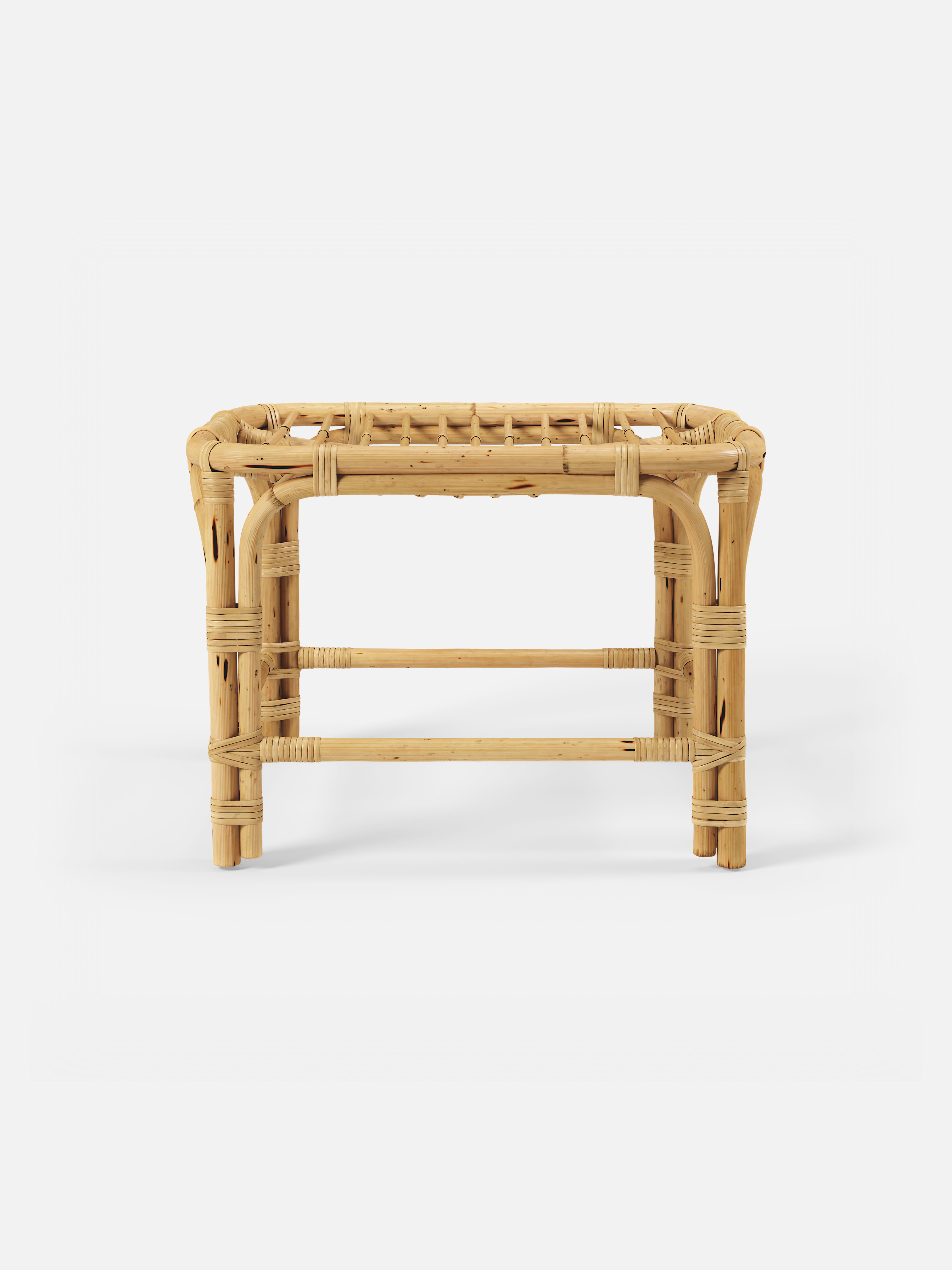
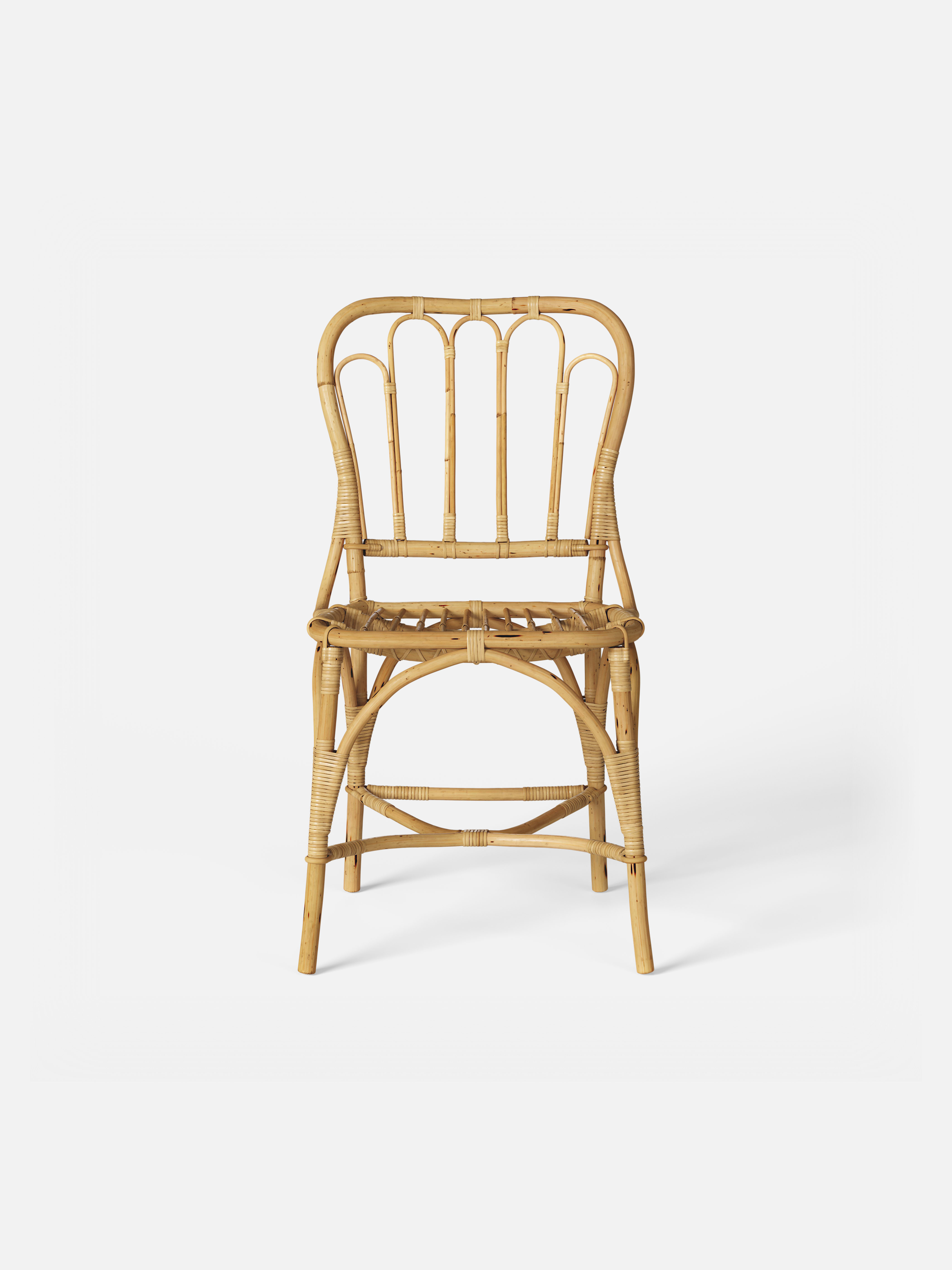
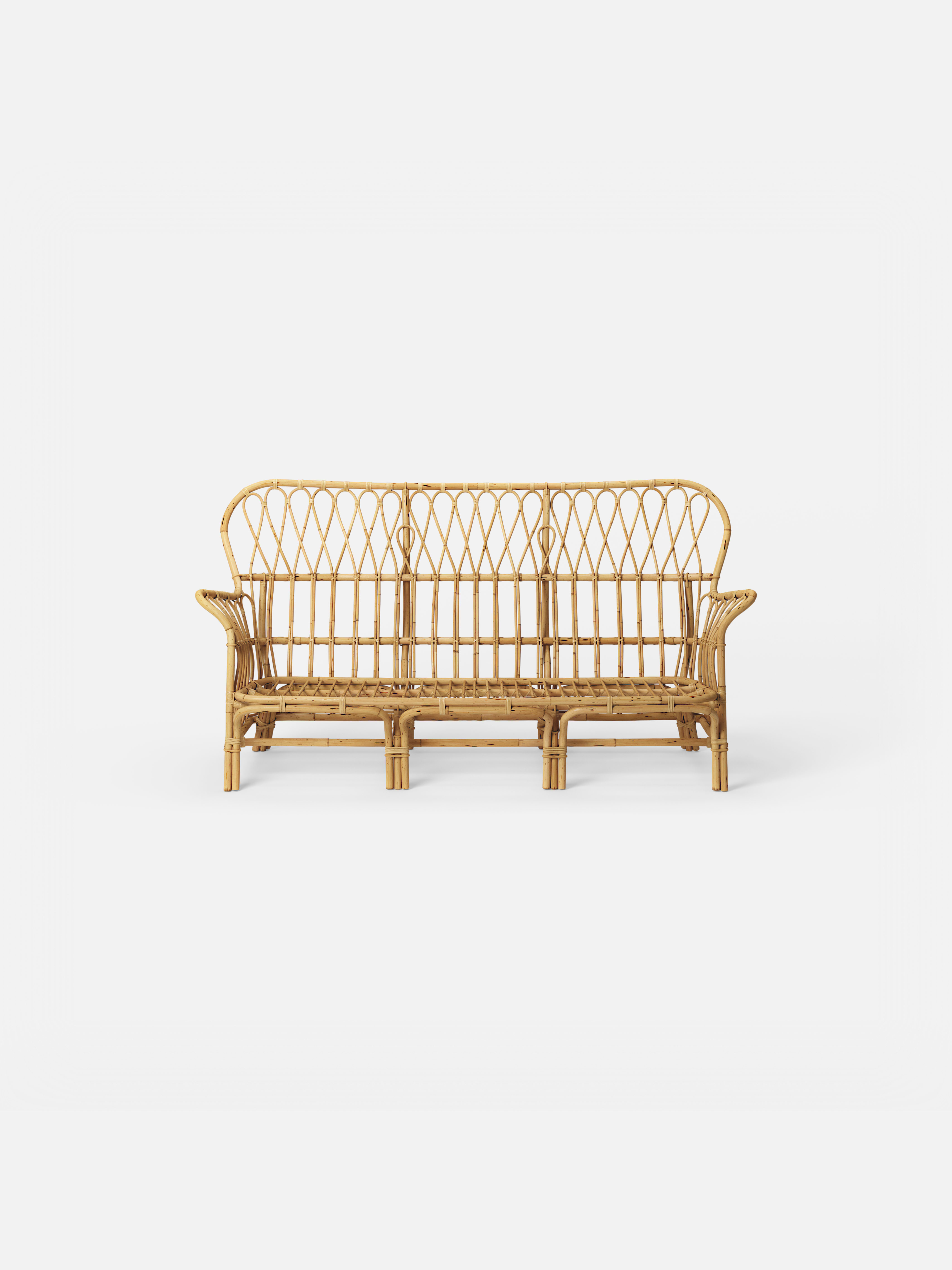
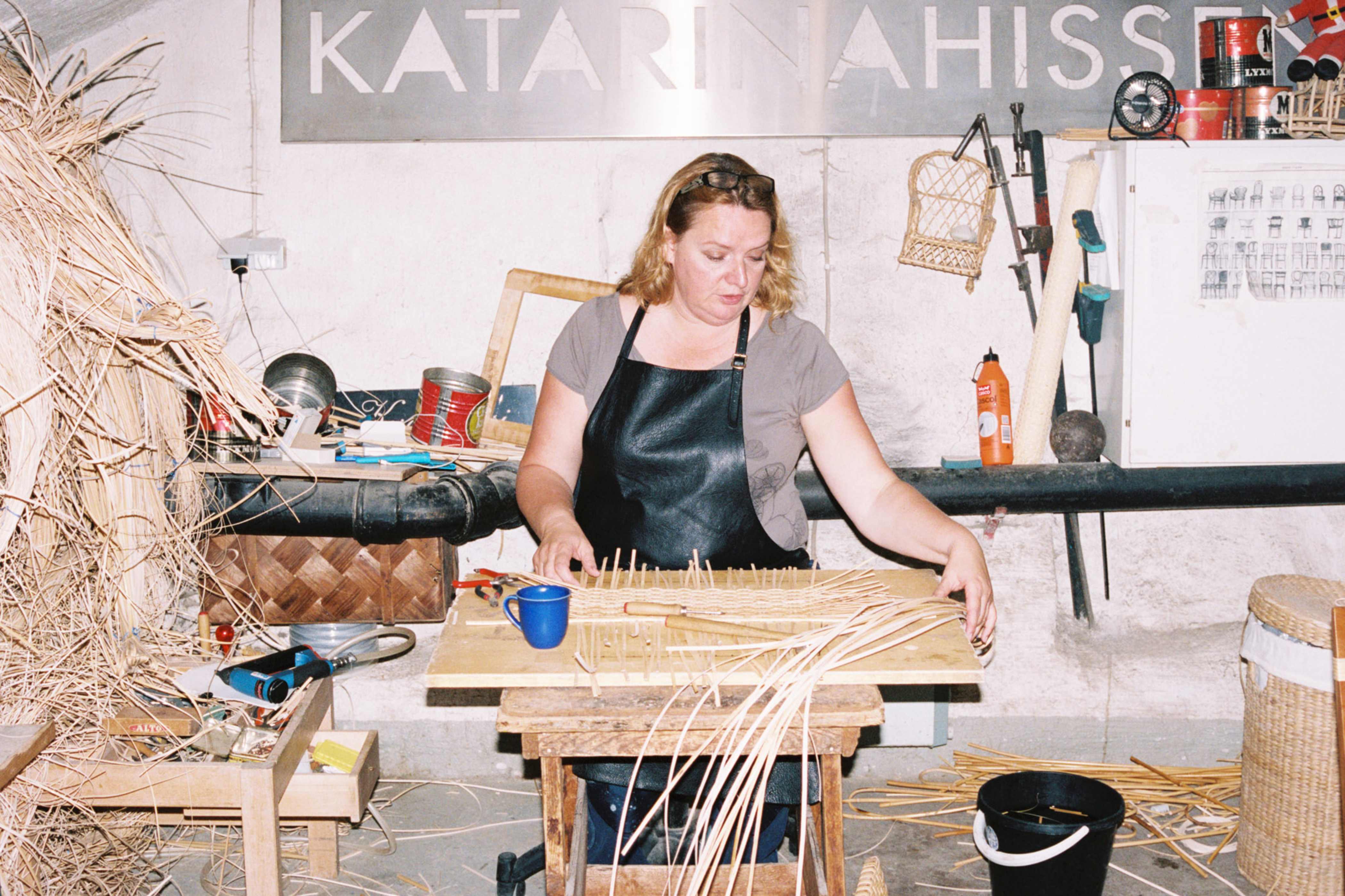
Inside a basement in the old town of Stockholm, about 1,5 kilometres from Svenskt Tenn’s flagship store on Strandvägen, lies Larsson Korgmakare — the only remaining manufacturer of rattan furniture in Sweden. Here, Erica Larsson and her colleague Lasse manage the production of Svenskt Tenn’s rattan armchairs, sofas and stools.
The import of rattan to Europe took off in the 18th century thanks to the East India Company. At the time, rattan was primarily used for braiding chair seats. It was not until after WWII that production of rattan furniture began on a greater scale and it was Erica’s grandfather, John, who initiated the collaboration with Josef Frank. However, the family company began even earlier — in 1903 Erica’s grandfather and uncle moved from Västerås to Stockholm to found the company Larsson Korgmakare in Stockholm




Josef Frank designed around a hundred different pieces of furniture made entirely of rattan, as well as several stools and chairs with rattan details. The look of the material nods to its Asian origin and is also very lightweight — a typical feature of Josef Frank’s design.
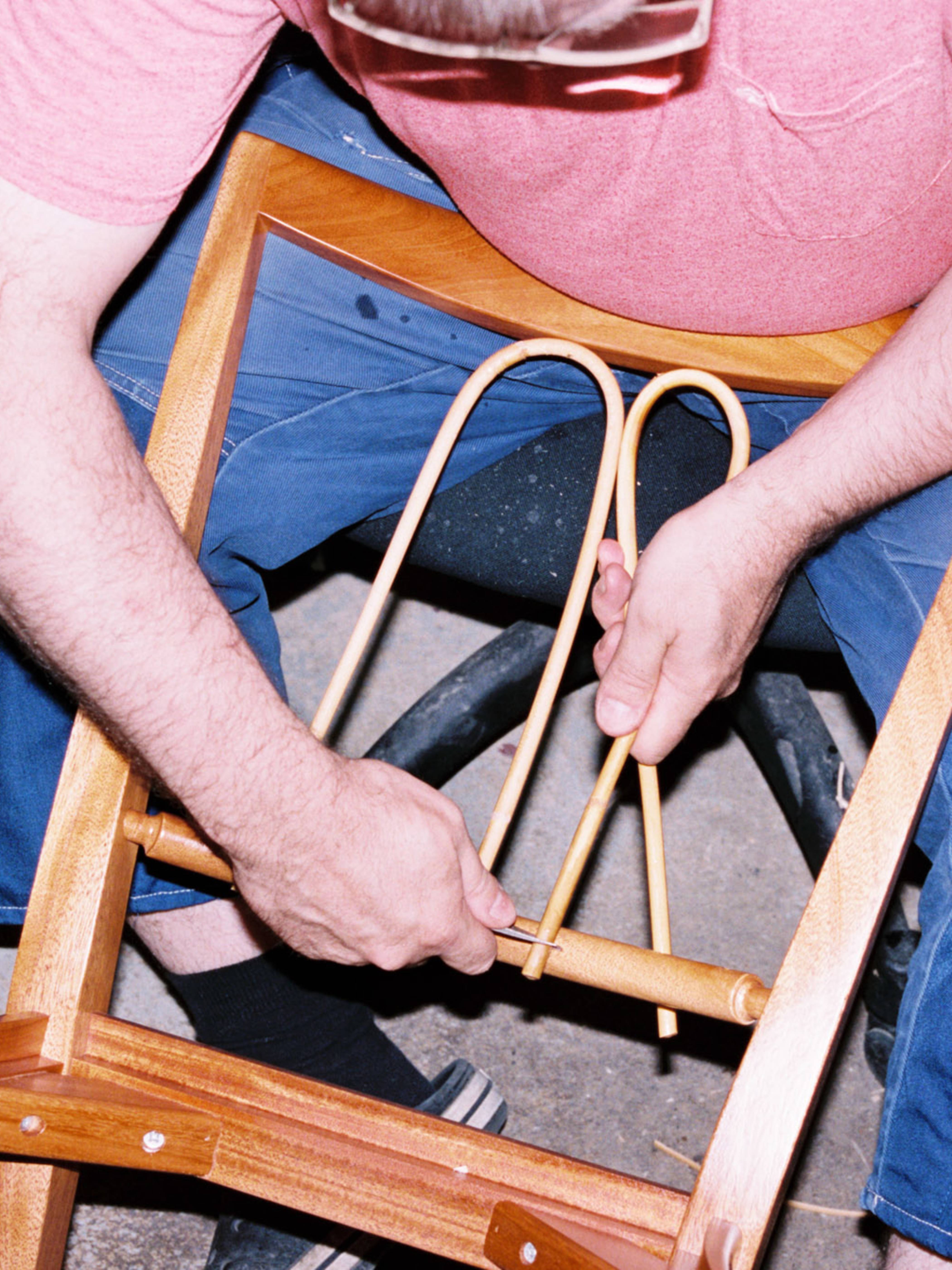
When Erica and Lasse craft Josef Frank’s furniture, they begin with the raw material — rattan cane. The hard rattan is heated over a flame and bent into the desired shape. Next, it is cooled with cold water until hardened and the shape is set. For weaving seats and wrapping with rattan, strips are cut from the outer layers of the rattan cane.
In addition to furniture manufacturing, the workshop also undertakes repair work and seat weaving in rattan, seagrass and cord. Long strips are cut from the outer shell of the rattan, which are used for wrapping. These strips are first moistened before being wrapped around the rattan. Sometimes, the wrapping is fastened with a clamp, a tack, or a pin.