


Wine Stopper Cherub

For the holiday season 2025, Svenskt Tenn is launching a selection of objects brought forth from the company’s extensive historical archive. Among this year’s launches are the Cat Bookend by Estrid Ericson, Svenskt Tenn’s Annual Ornament, and the Cherub Candlestick, designed by Nils Fougstedt in the mid-1920s – all examples of timeless objects where historical design meets contemporary craftsmanship of the highest quality.
Based on an original idea by Estrid Ericson, Svenskt Tenn has re-created the striking “Julträdet”. In the photograph, taken in 1964 by world-renowned photographer Lennart Nilsson, Estrid Ericson is seen in her studio arranging silver- and gold-foiled branches into a tree with the same form and unique character as the one now being launched.
Estrid Ericson was often inspired by nature, and “Julträdet” symbolises her botanical interest – a timeless reminder of nature’s beauty. The tree’s small pearls catch the light, creating a frosted, shimmering effect that reflects Estrid Ericson’s creative spirit and eye for detail.

Decorative pewter objects

Cherub Candlestick by Nils Fougstedt
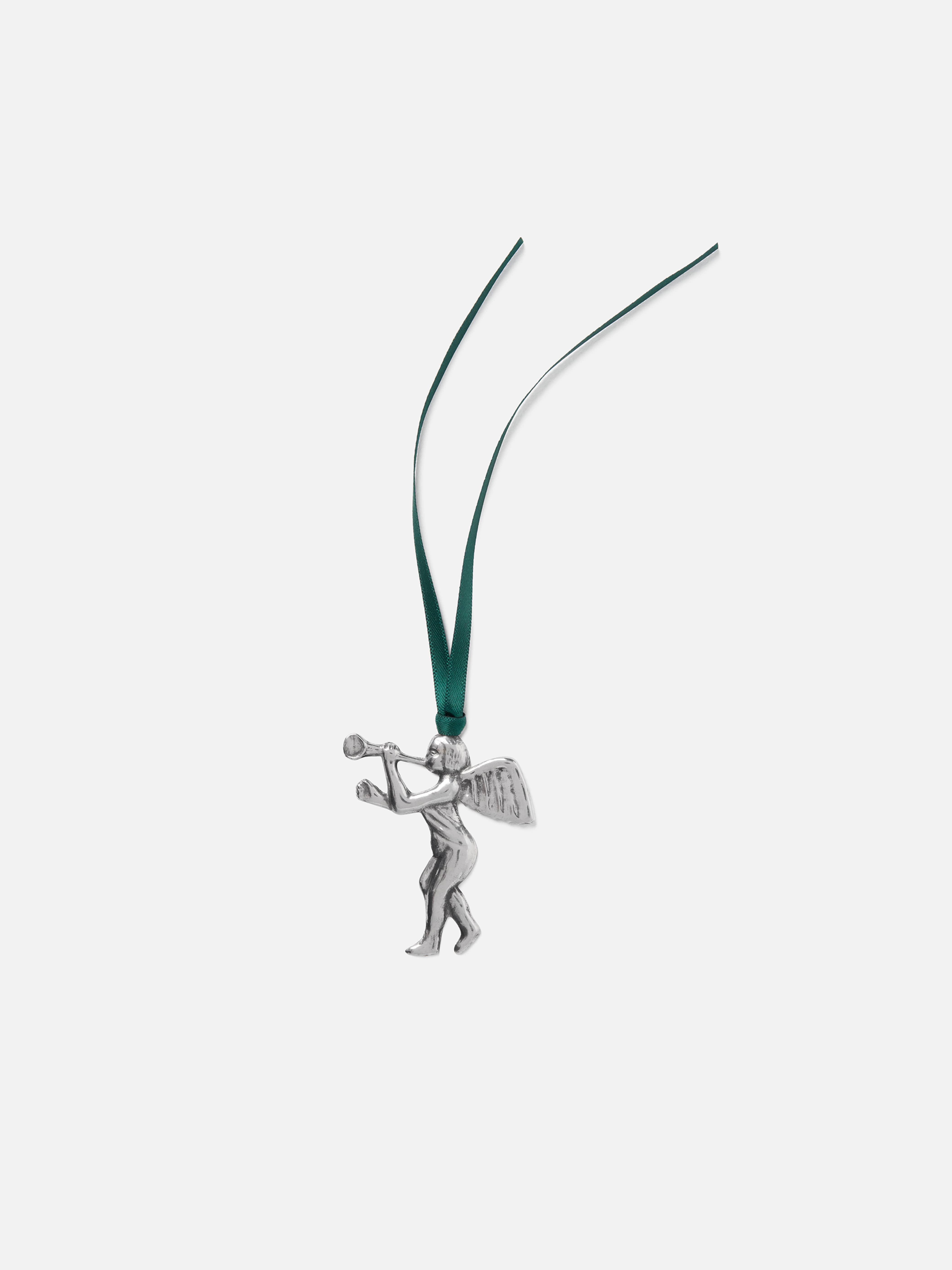
In celebration of Svenskt Tenn’s centenary in 2024, the first Annual Ornament was launched, inspired by the beautiful moulds preserved in the archive. The 2025 ornament depicts a small, trumpet-playing angel in pewter that can be used to decorate the Christmas tree, hung in a window, or serve as a decorative element on the festive table. Svenskt Tenn’s Annual Ornament is designed to become a recurring collector’s item and a tribute to the company’s rich heritage and history.

Cherub Wine Stopper in pewter and cork

The Cherub Wine Stopper is a timeless gift
The Cherub Wine Stopper was designed in 1927 by Marie-Louise Idestam-Blomberg and is featured in Svenskt Tenn’s product catalogue from 1931. The carefully modelled cherub face has a beautiful lustre and exquisite detailing.
It was during one of her many journeys that Estrid Ericson found inspiration for the Cat Bookend. In the collections of The Metropolitan Museum of Art in New York, there are two porcelain cats with black enamel from the Chinese Kangxi period (1662–1722). With these in mind, Ericson created her own interpretation of a reclining cat.

The Cat Bookend returns for the 2025 holidays.
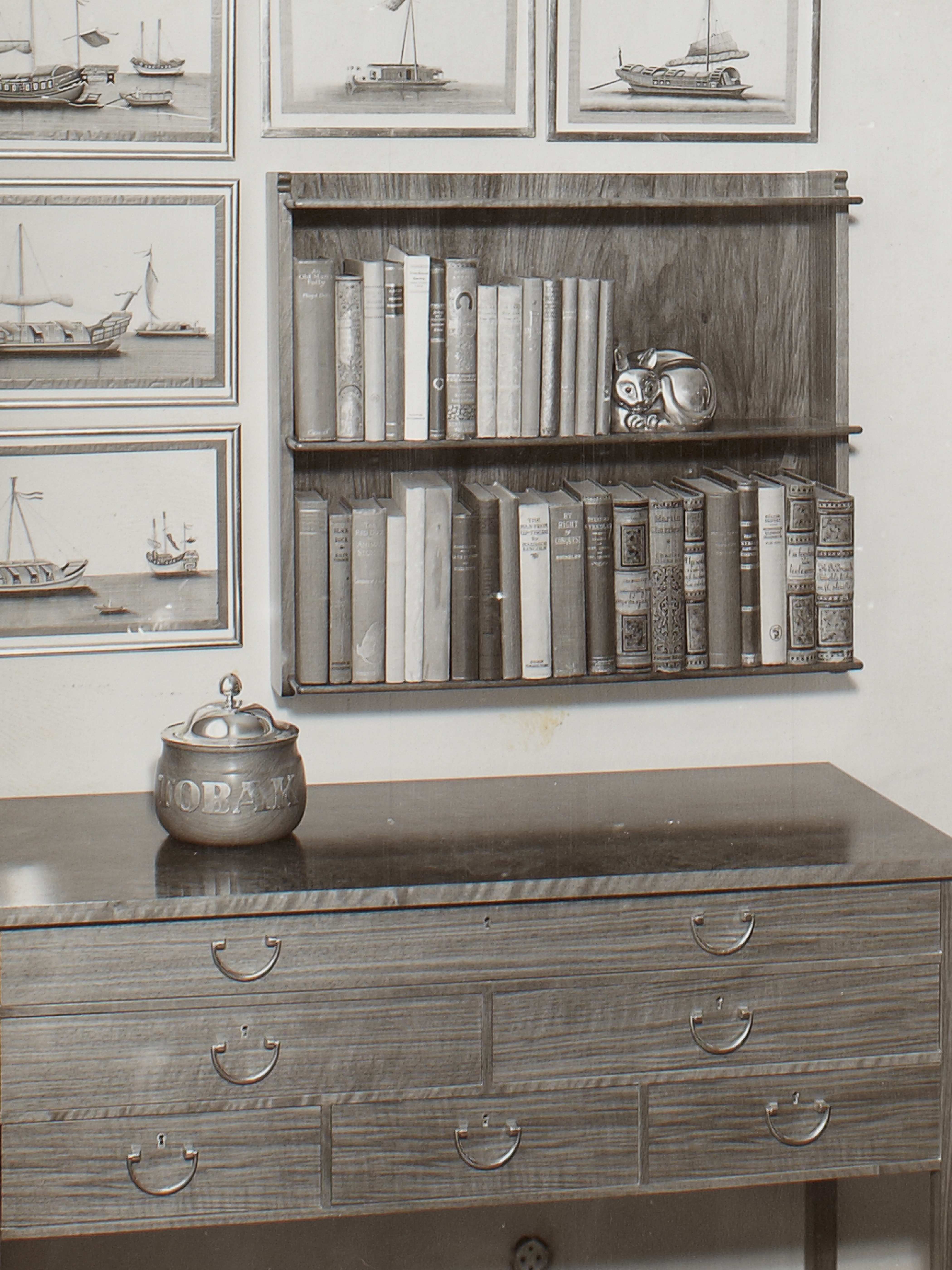
Historical image from Svenskt Tenn’s archive.