
Cabinet 522
In Josef Frank’s cabinets, functional design and sculptural presence come together. The interplay of materials is a defining feature: different types of wood are combined with surfaces clad in textiles, paper, maps, or botanical prints. The cabinets also share a common characteristic in their elevated legs, reflecting Frank’s interior design philosophy. Frank believed that for a space to feel harmonious, it had to be clearly perceived; the meeting between floor and wall needed to remain visible. Furniture was therefore lifted from the floor to create a sense of lightness and space.
For Josef Frank, timelessness was a quality he continually reflected upon and sought to achieve as a designer. The cabinets currently found in Svenskt Tenn’s collection were designed between the 1930s and 1957s and demonstrate how successfully Frank achieved his timeless ideal.
Each cabinet is unique and handcrafted by a small number of selected cabinetmakers in Sweden. The artisanal execution, combined with deep material knowledge and precision, is essential to realising Frank’s design in every individual cabinet.
In 1952, Nationalmuseum acquired Cabinet 881.

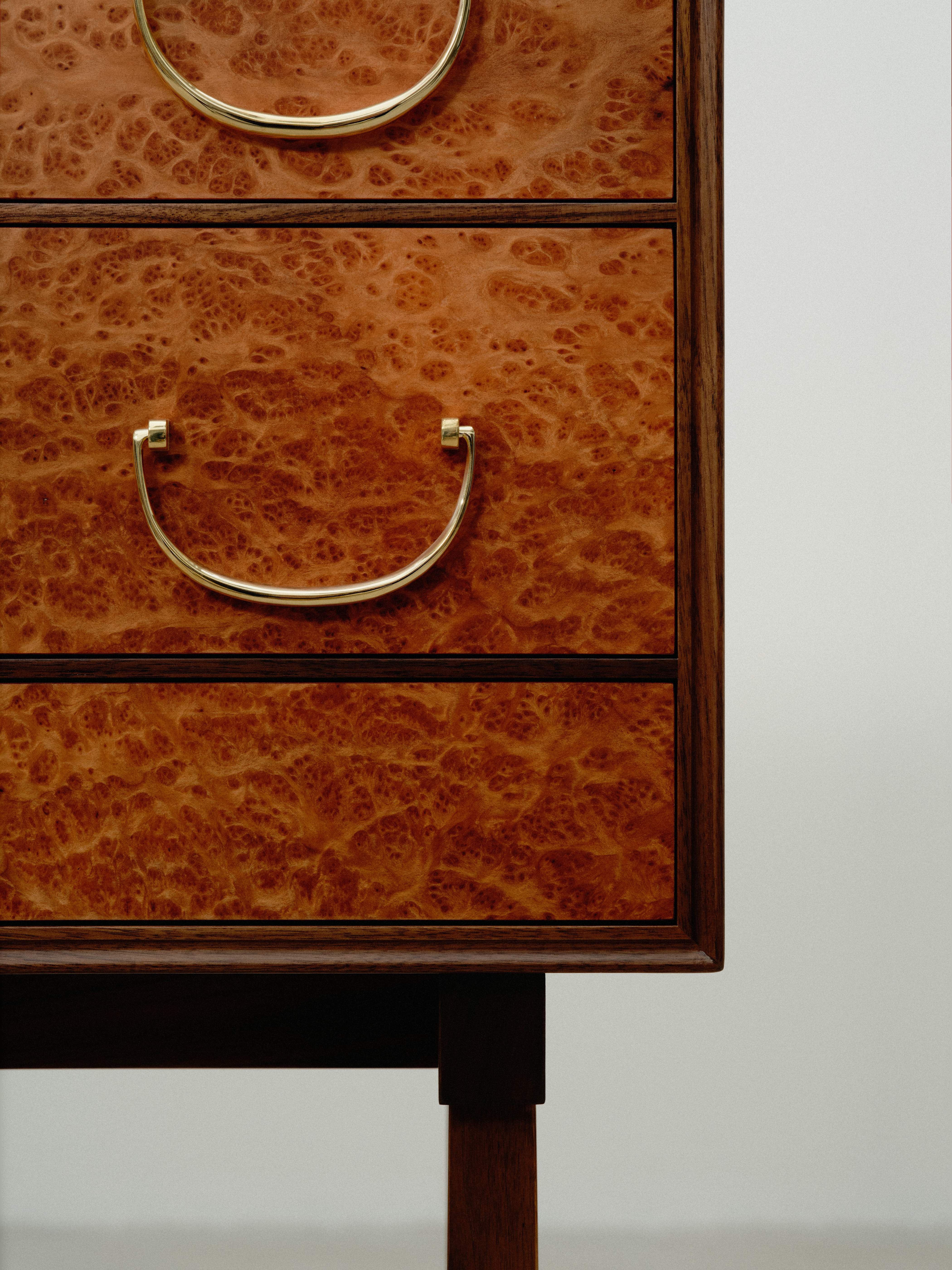
Vavona burl veneer with rich natural variation.
Since the 1950s, Cabinet 881 has been produced at the Eriksson & Söner cabinetmaking workshop outside Nyköping in Sweden. Designed by Josef Frank in 1938, the cabinet was originally titled “Cabinet with 21 drawers” in the first drawings, though the number was adjusted to 19 at a late stage.
Inspired by 17th-century cabinet furniture, the piece is crafted in vavona burl veneer, with legs and frame in walnut. Vavona burl varies naturally in colour and is characterised by its vivid, swirling grain. This places high demands on the cabinetmaker, while also giving each cabinet its own distinct expression and individual character.
The drawers are fitted with brass fittings in varying sizes, and the many components of the piece—veneer, legs, and fittings—reflect a tradition of fine cabinetmaking, where material knowledge and craftsmanship shape every stage of the process. The result is a cabinet in which craftsmanship plays a central role in both function and expression.


The fluted form requires exacting craftsmanship.

The cabinet rests on a mahogany base.
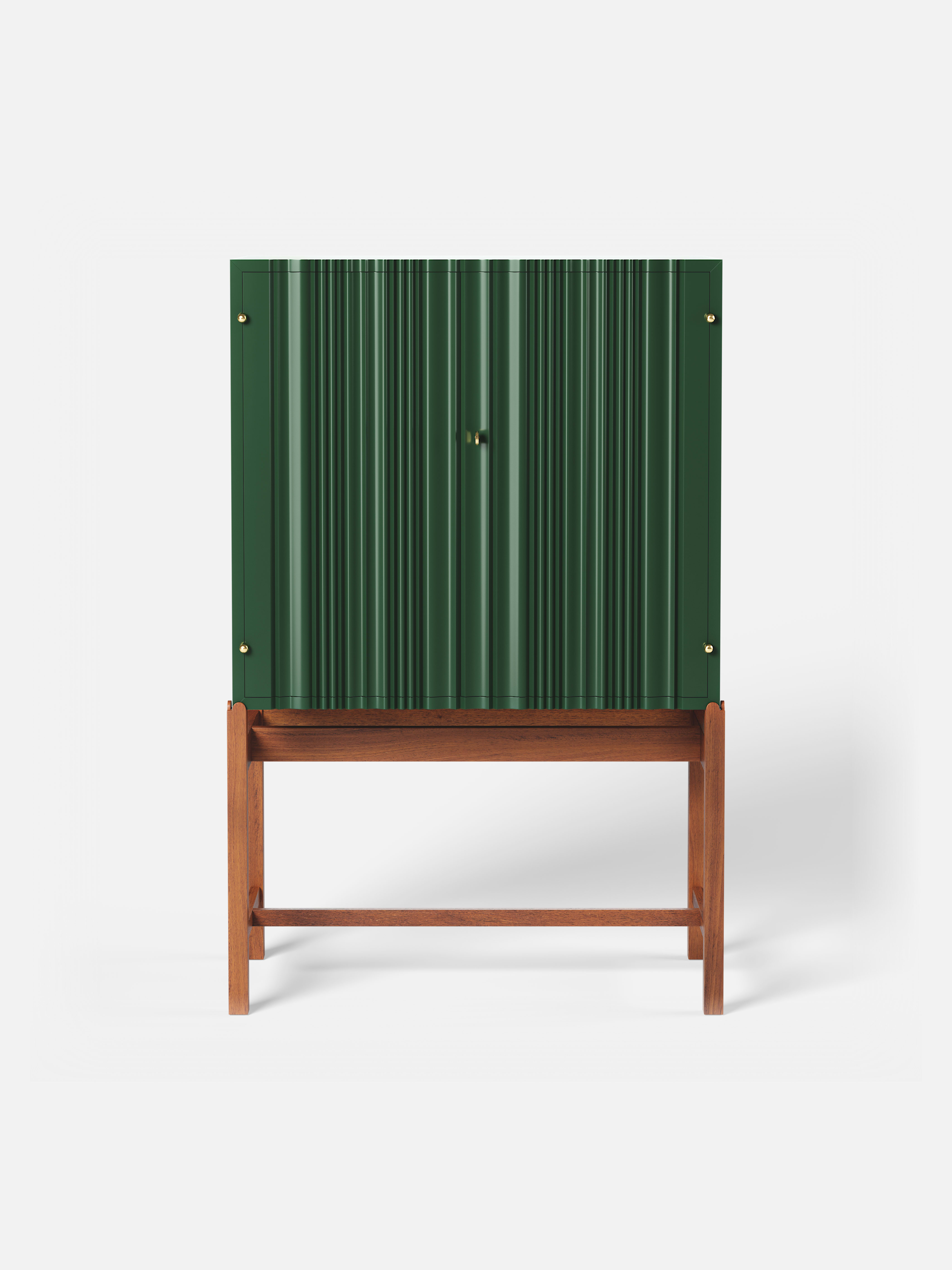
Since 1999, Josef Frank’s iconic Cabinet 2192 has been produced by master cabinetmaker Anders Mattsson in Valdemarsvik, Sweden. The cabinet is a piece to be experienced both from a distance and up close: first as a vertical rhythm, then as a wealth of details revealed as one moves nearer. The design is defined by its fluted front, sculptural in character, which—together with the irregular profiles—creates a shifting play of light and shadow.
Each profile is shaped by hand from knot-free timber and then carefully assembled. Achieving perfect alignment between the fluted doors and the cabinet’s fixed frame requires exceptional craftsmanship. The cabinetmaker must balance two opposing forces: the natural movement of the wood and the demand for absolute precision—an apparently impossible construction that calls for great skill and deep material knowledge. Cabinet 2192 is fitted with acorn-shaped brass hinges, a distinctive detail found in several of Josef Frank’s cabinets.
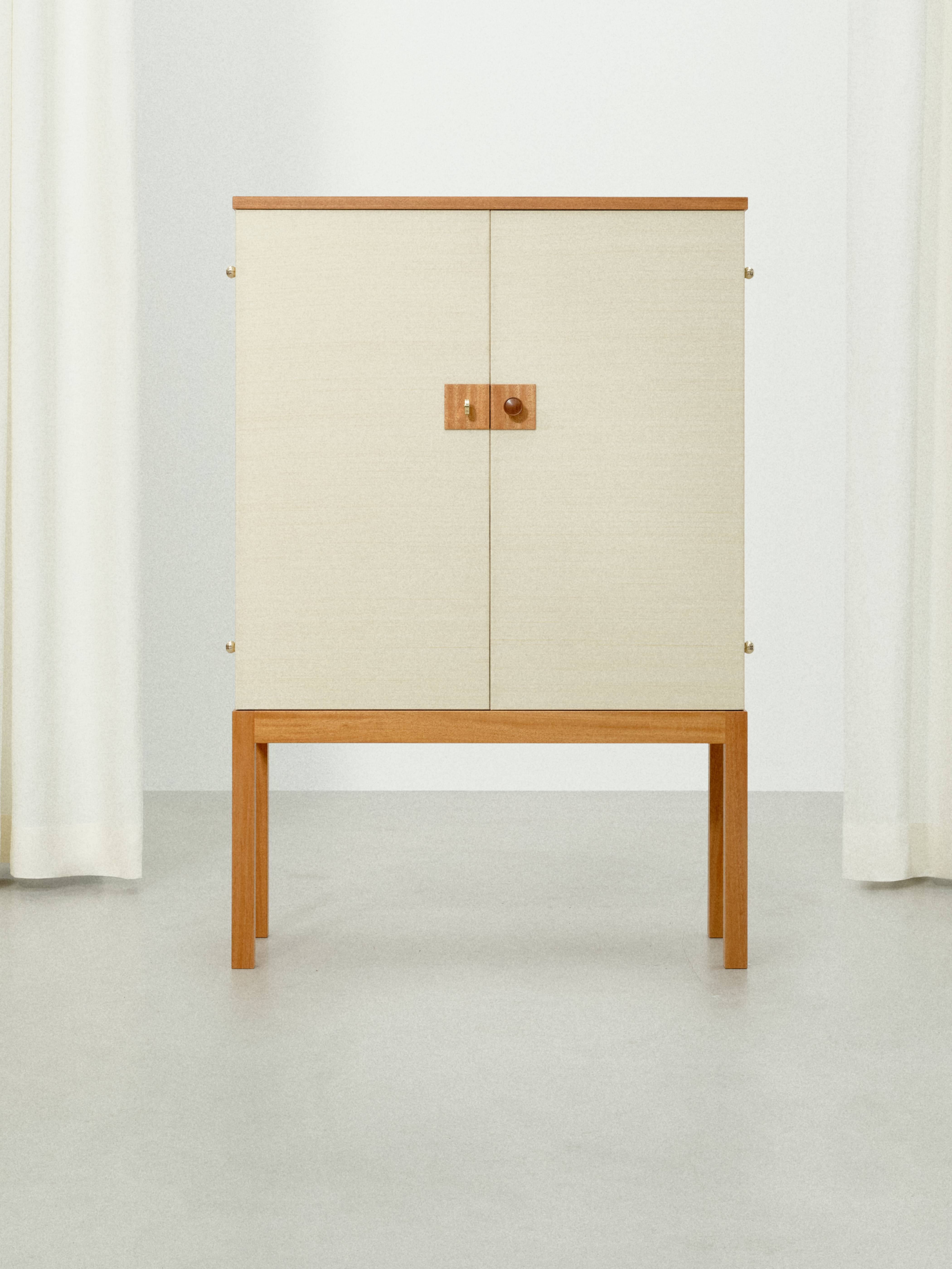


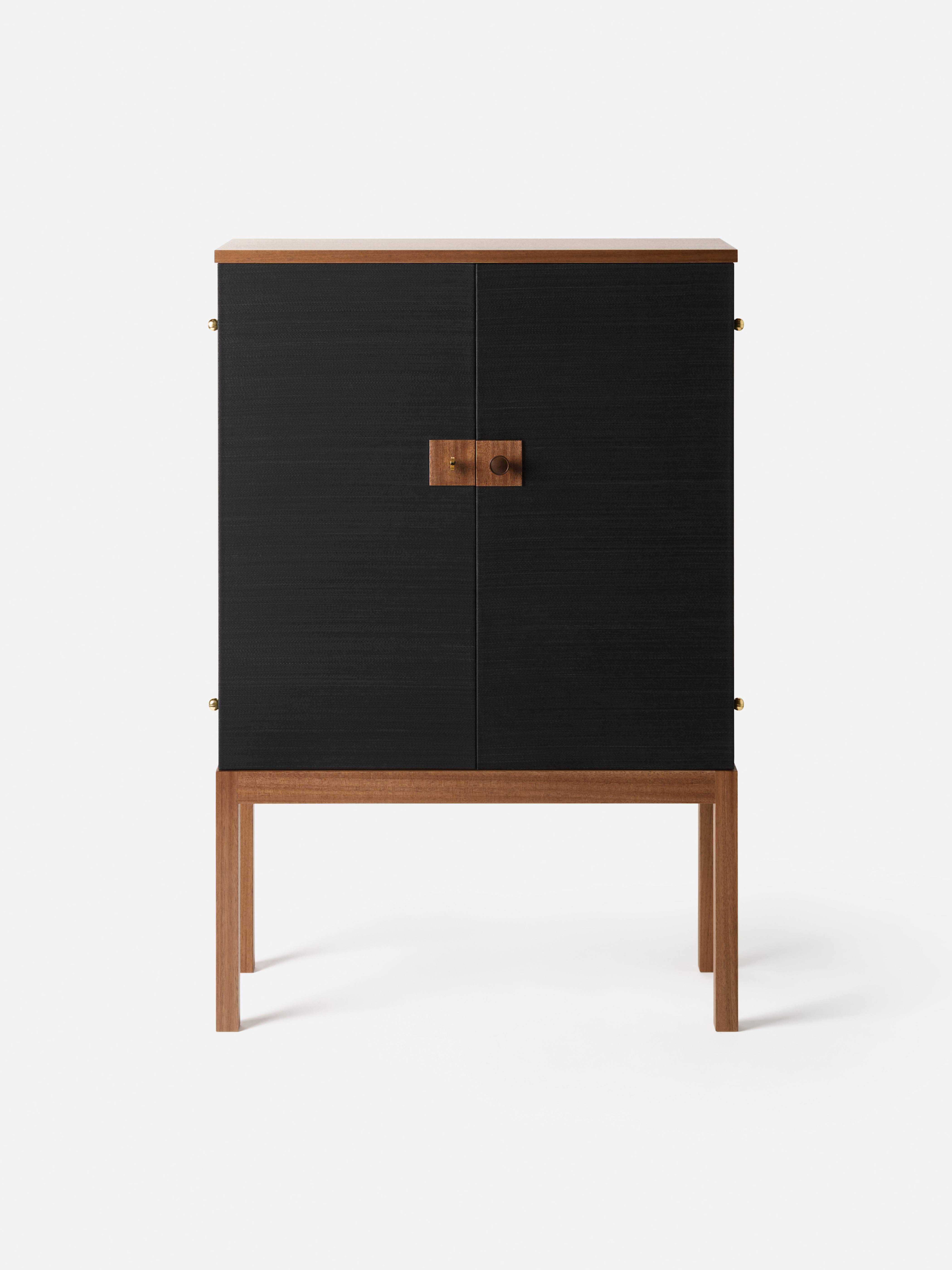
Inspired by the British furniture tradition, Josef Frank designed Cabinet 522 between 1934 and 1935. The entire cabinet—including the back—is upholstered in fabric, giving the piece an enveloping softness that contrasts with its otherwise restrained design. Cabinet 522 is available in several of Frank’s most beloved patterns and is now launched in an exclusive version in black or white horsehair, where each piece takes on its own individual character.
The horsehair fabrics are woven by John Boyd Textiles in England, using a cotton warp that gives the fabric its distinctive lustre. The company is one of only a few in the world still weaving horsehair fabrics on original looms, using techniques dating back to the 1870s.
Inside, the cabinet is divided into two sections, each with five shelves, forming a total of ten separate compartments. The cabinet key is based on a design that Frank originally created for the cabinet interiors in Estrid Ericson’s workroom in 1934. In the early 2000s, Svenskt Tenn adapted the size of the key and added the text Svenskt Tenn.
Cabinet 522 is produced by master cabinetmaker Anders Mattsson. The solid craftsmanship—evident in the cabinet’s details and tactile qualities—is essential to the overall impression.

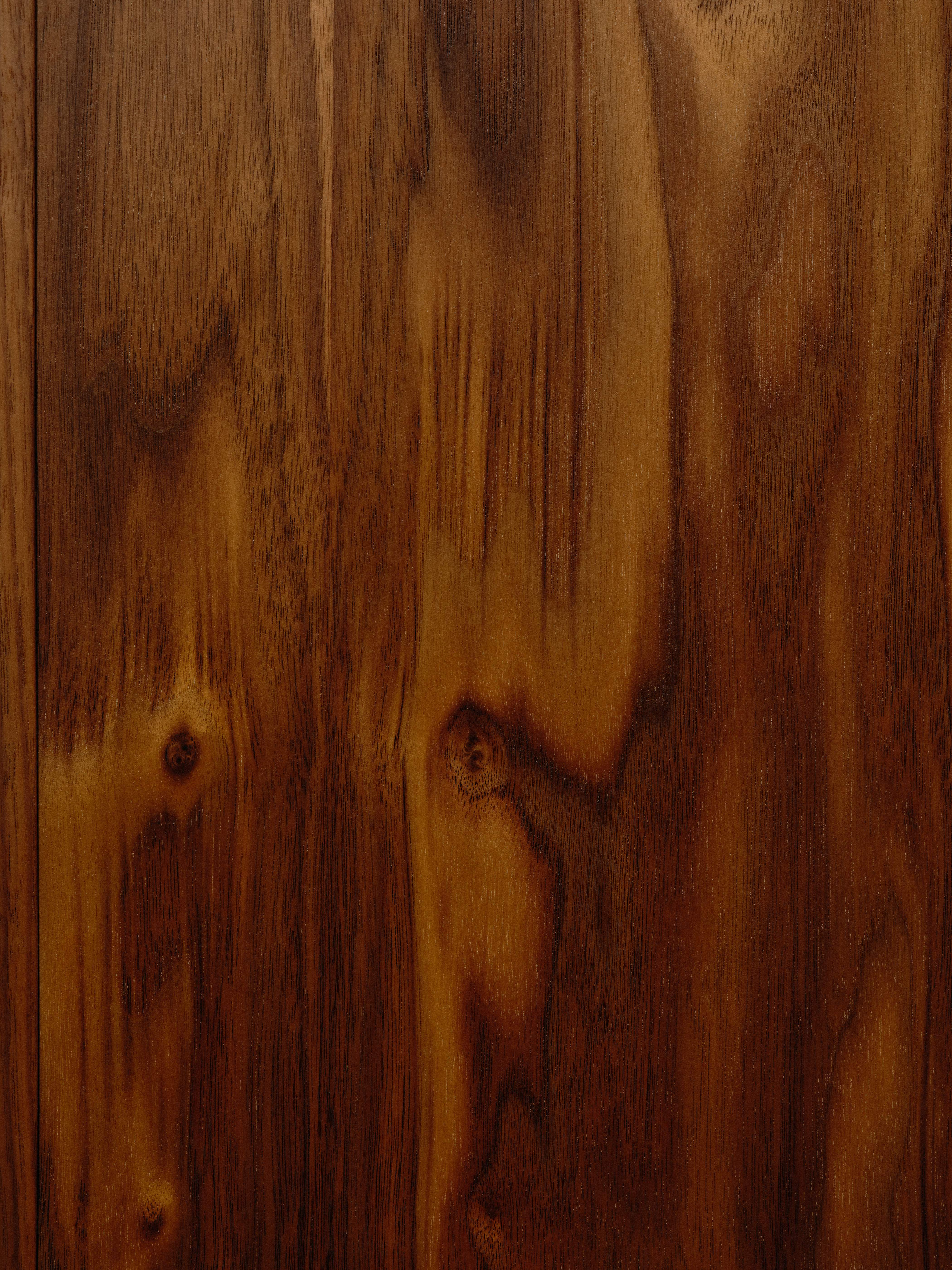
During his lifetime, Josef Frank designed several variations of map cabinets. The Stockholm Cabinet was designed between the 1930s and 1950s, and the original sketch notes that the model was intended to be clad in paper.
To mark Svenskt Tenn’s 100th anniversary, the cabinet was launched in a limited edition of 100 pieces. The richly detailed Stockholm map was drawn by Heinrich Neuhaus in 1875, and its fine lines interact with the warm walnut wood in a carefully balanced contrast. Every moulding and edge are precisely considered; the paper wraps seamlessly around the corners with a level of precision that reflects craftsmanship of the highest standard.
Anders Mattson”Details are Josef Frank’s signature, but they are also the cabinetmaker’s dilemma. I strive for harmony, both on the outside and the inside. The piece becomes a work of art—one that deserves craftsmanship and precision.”