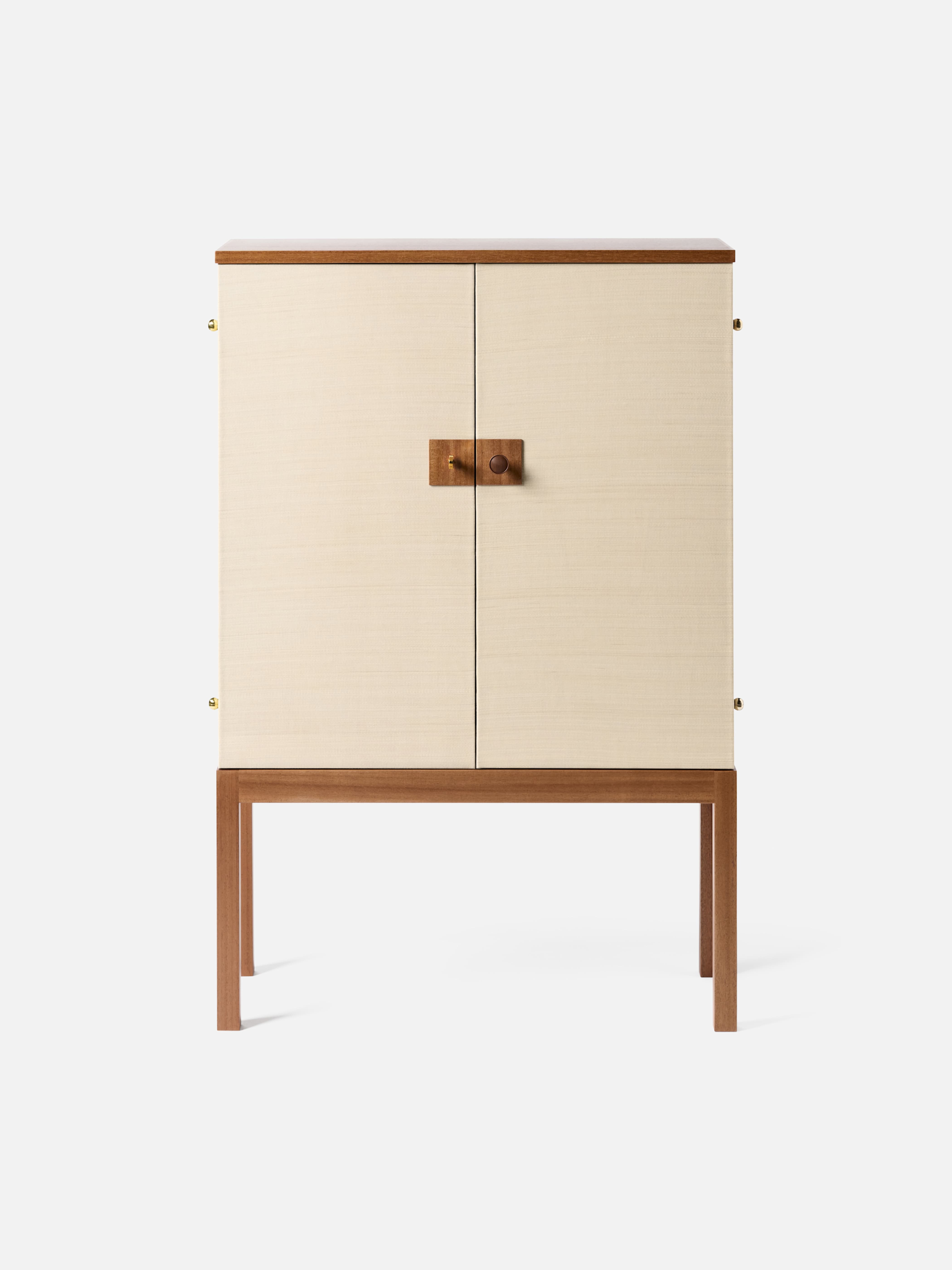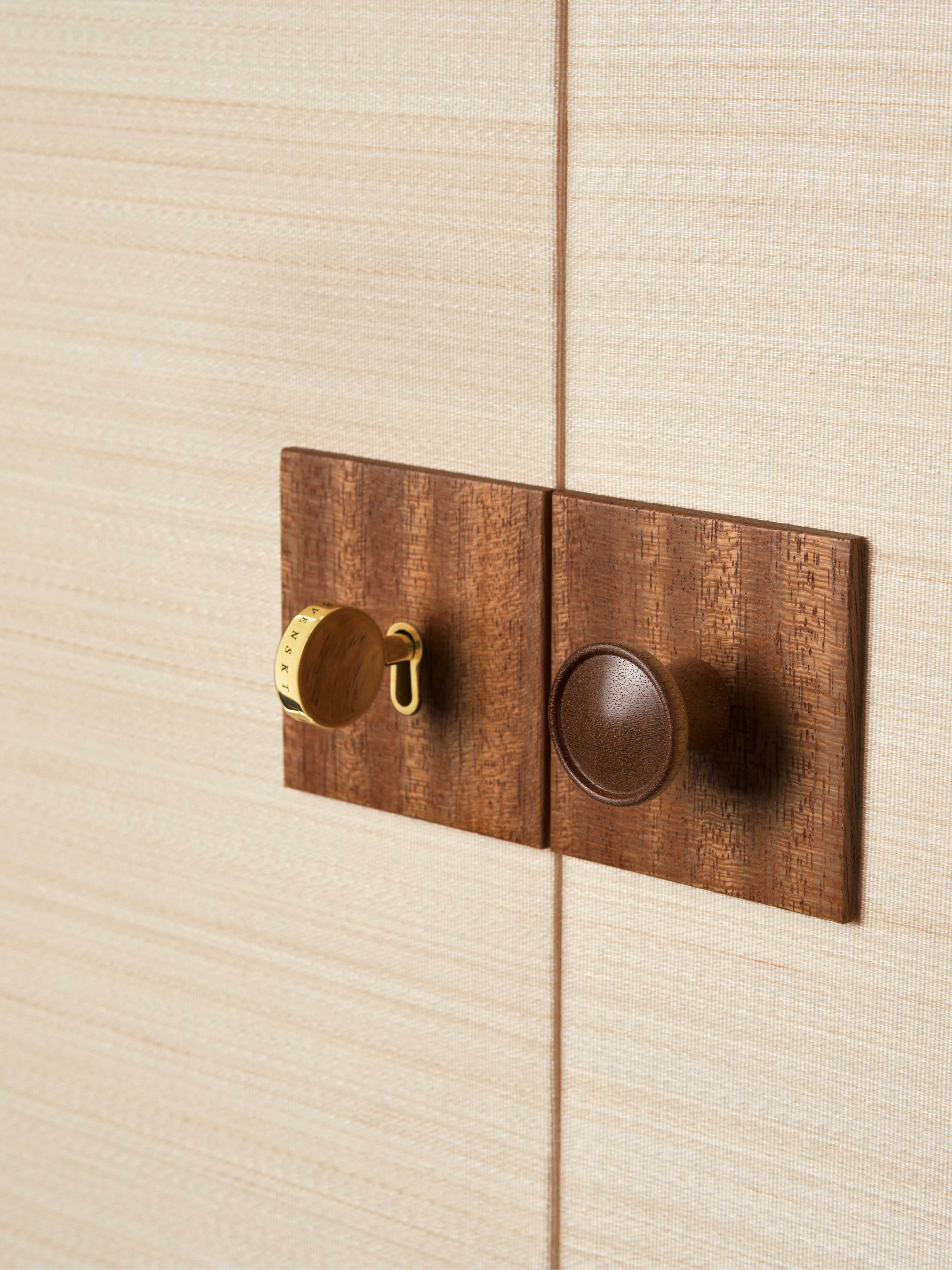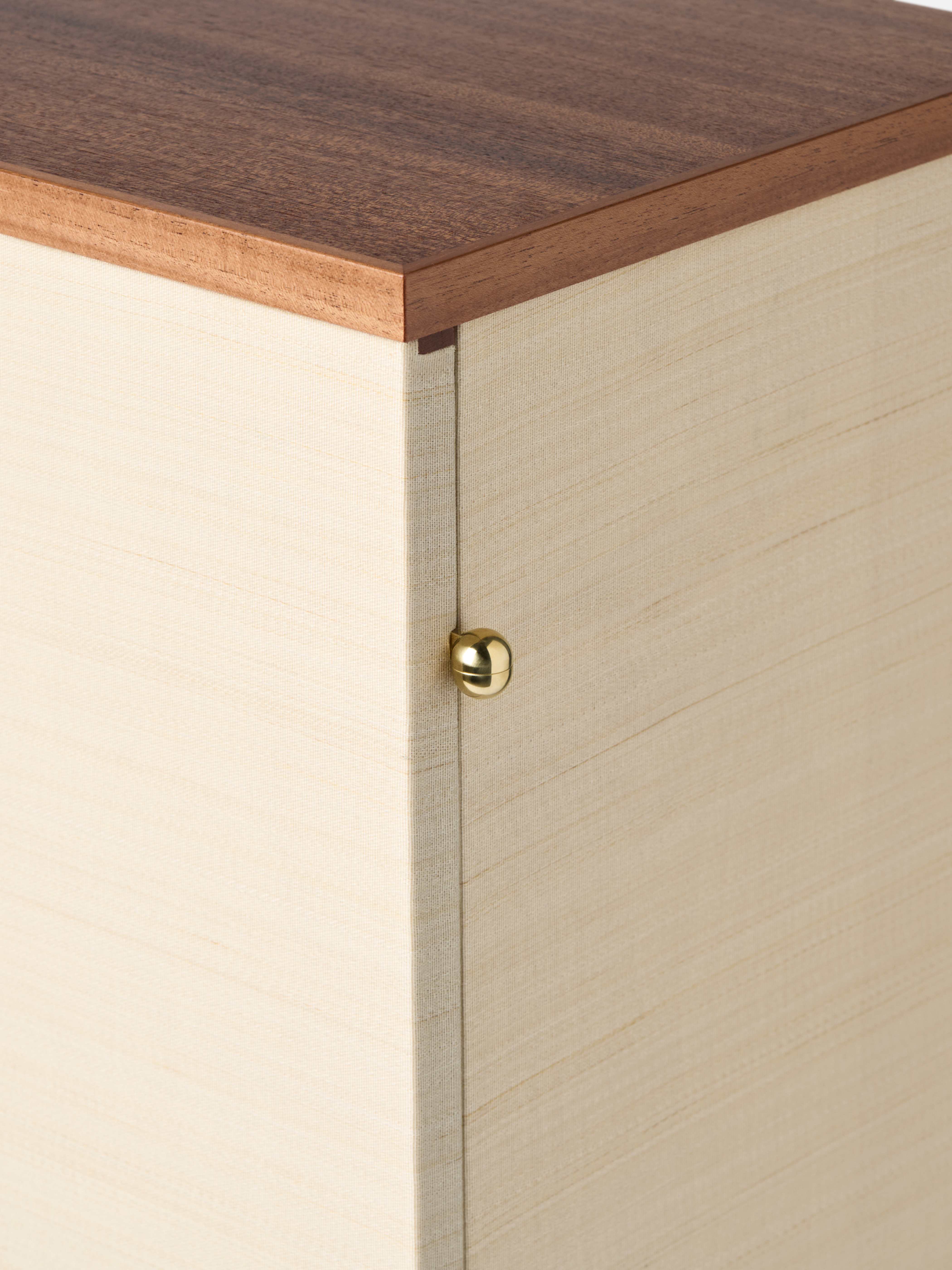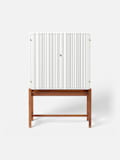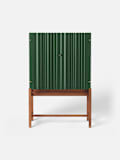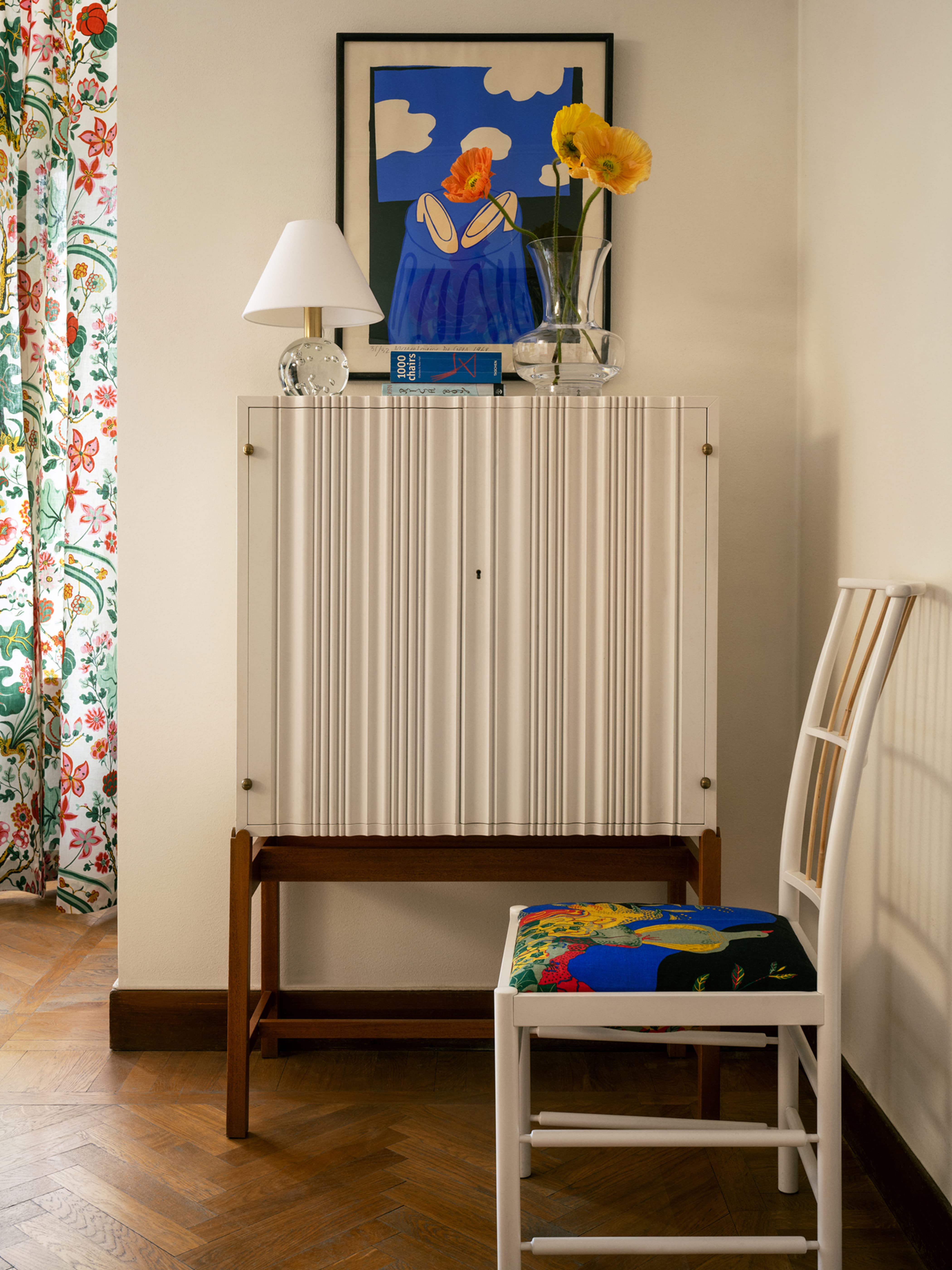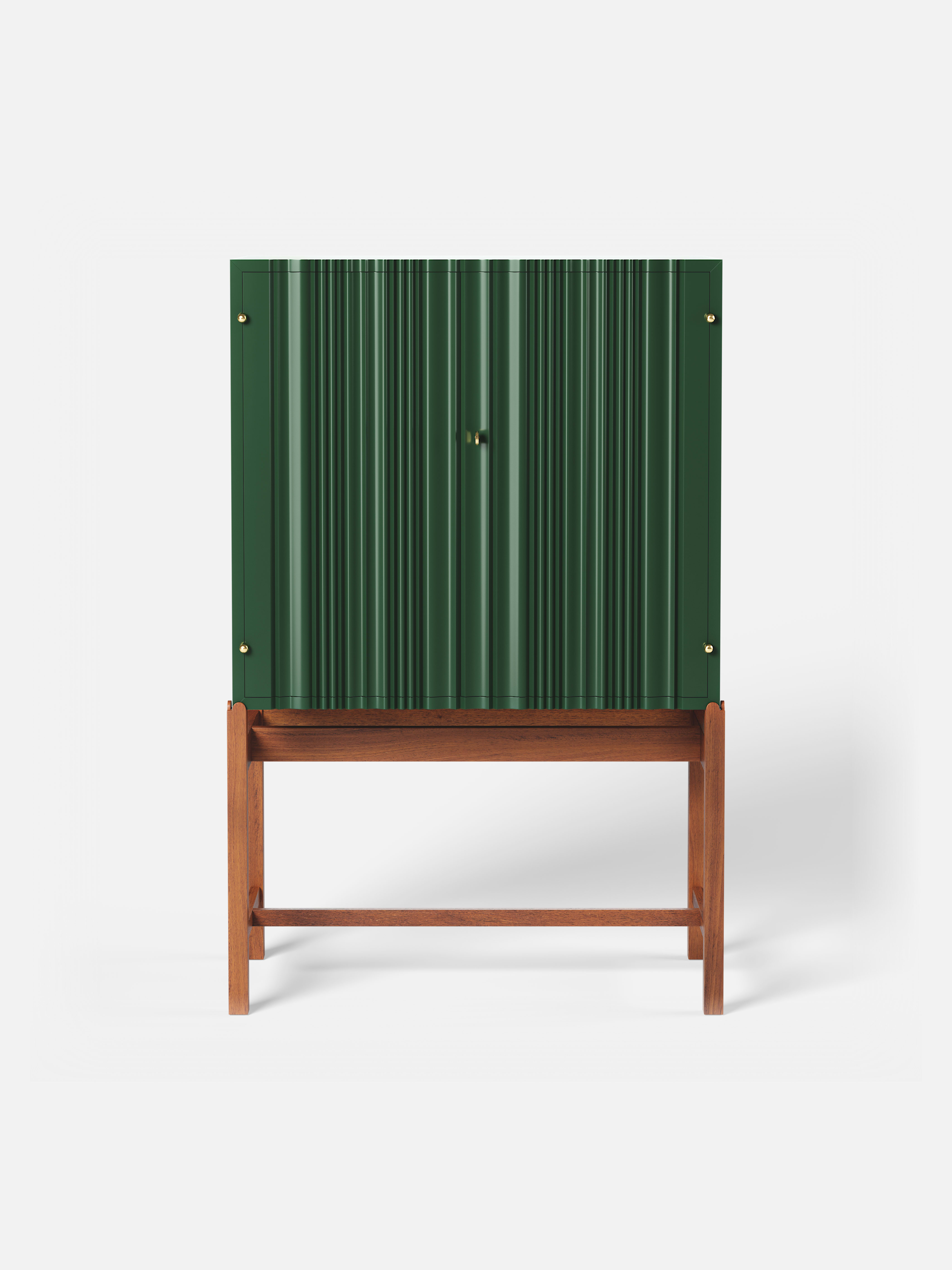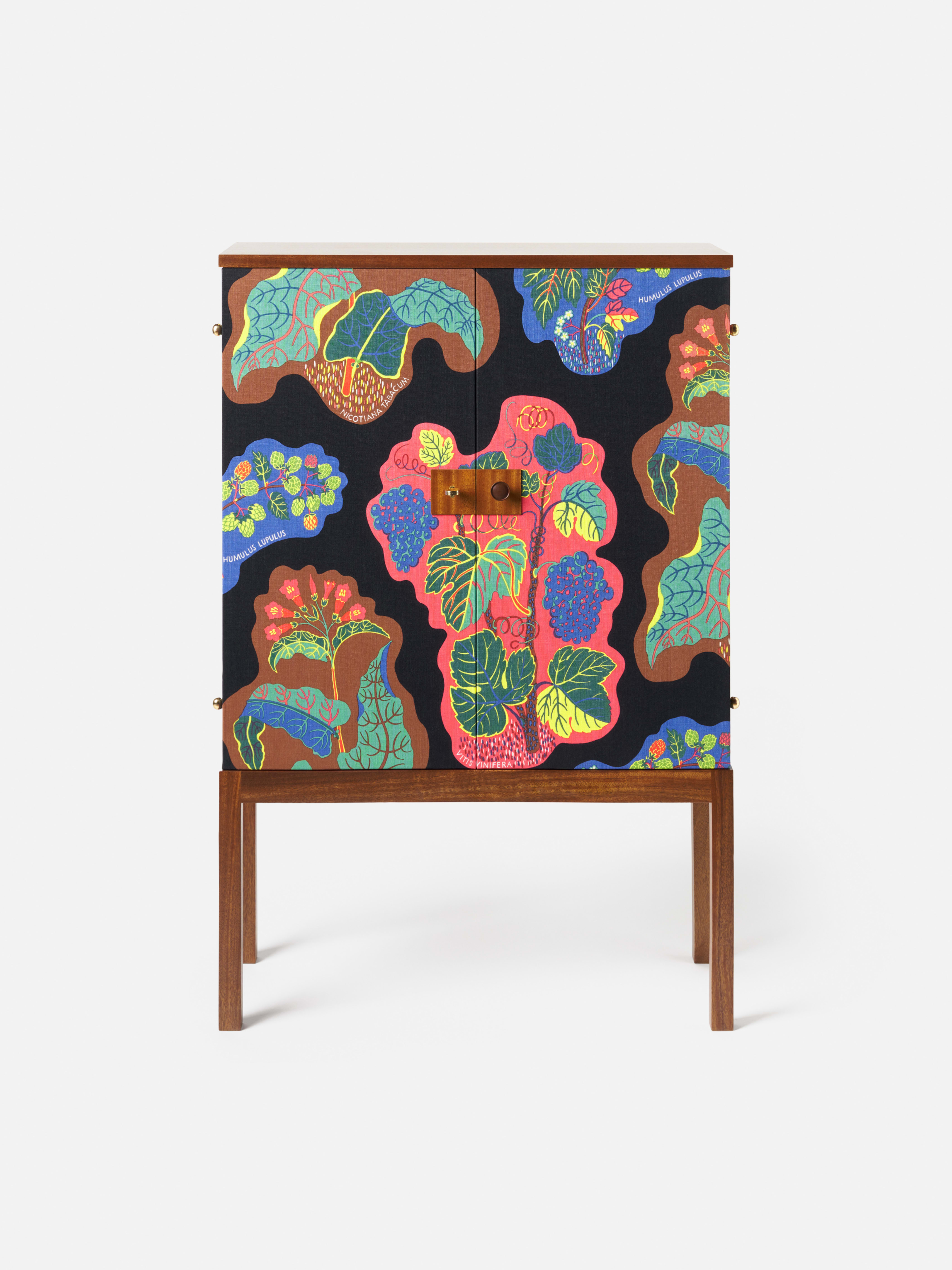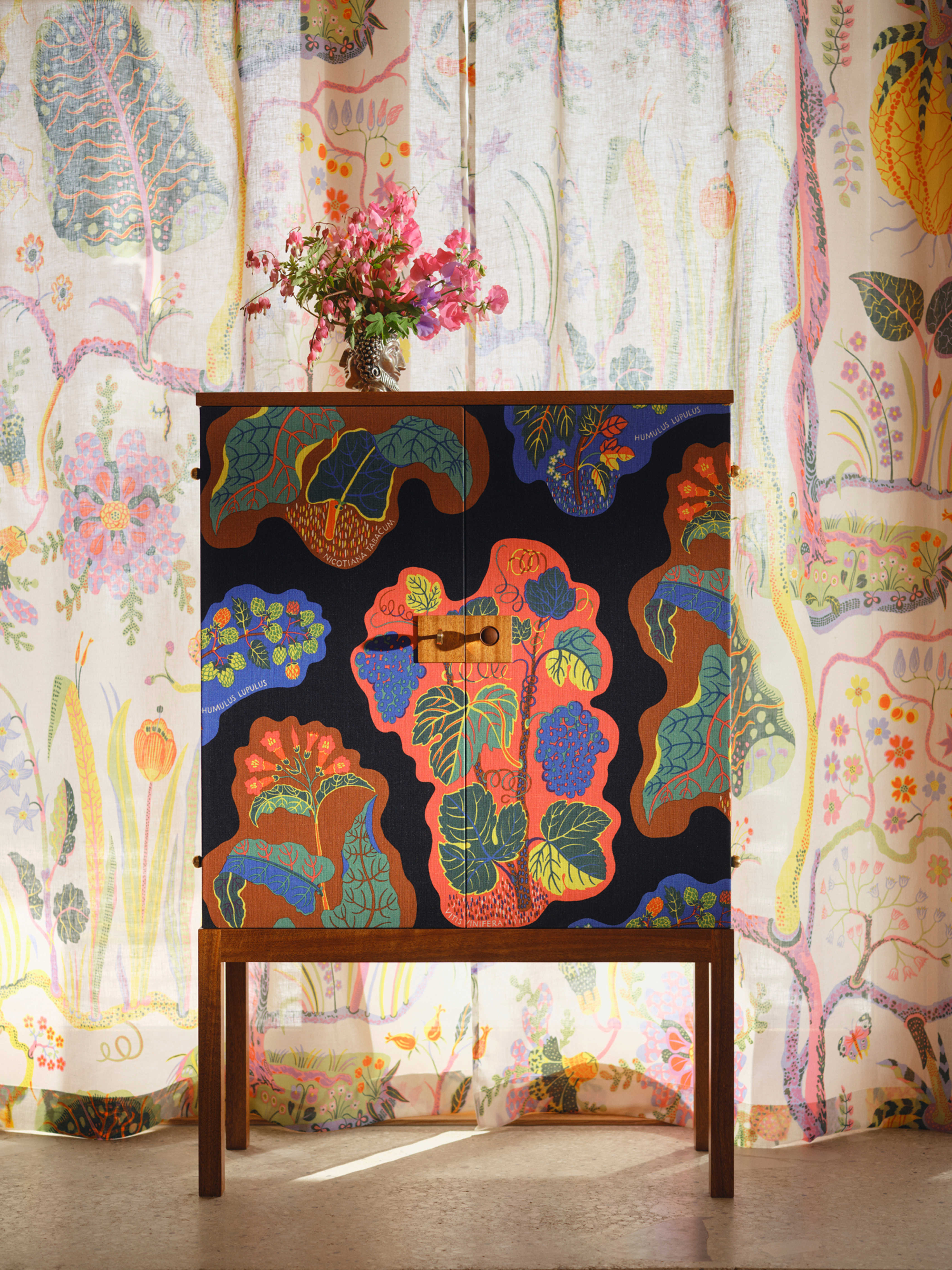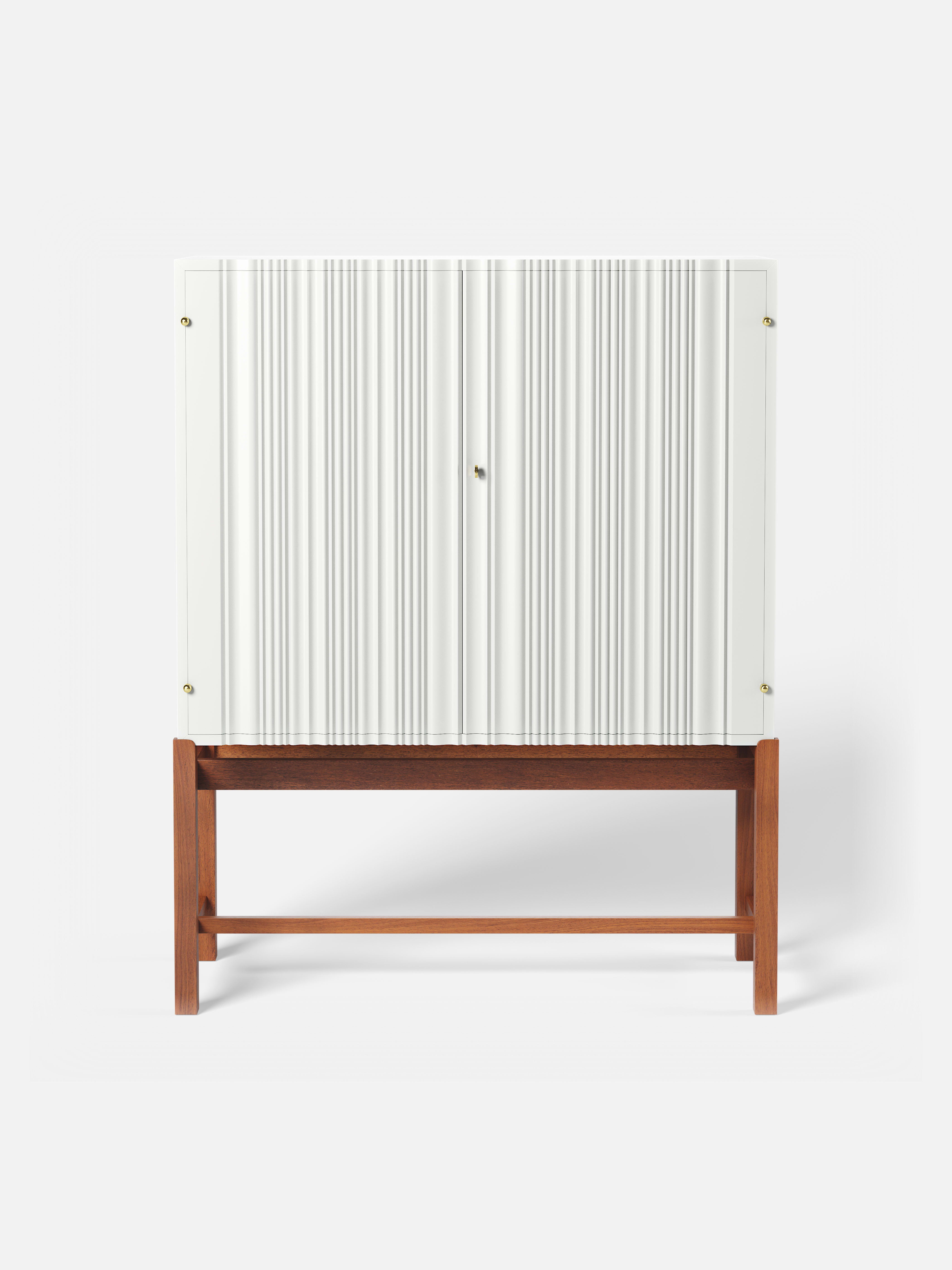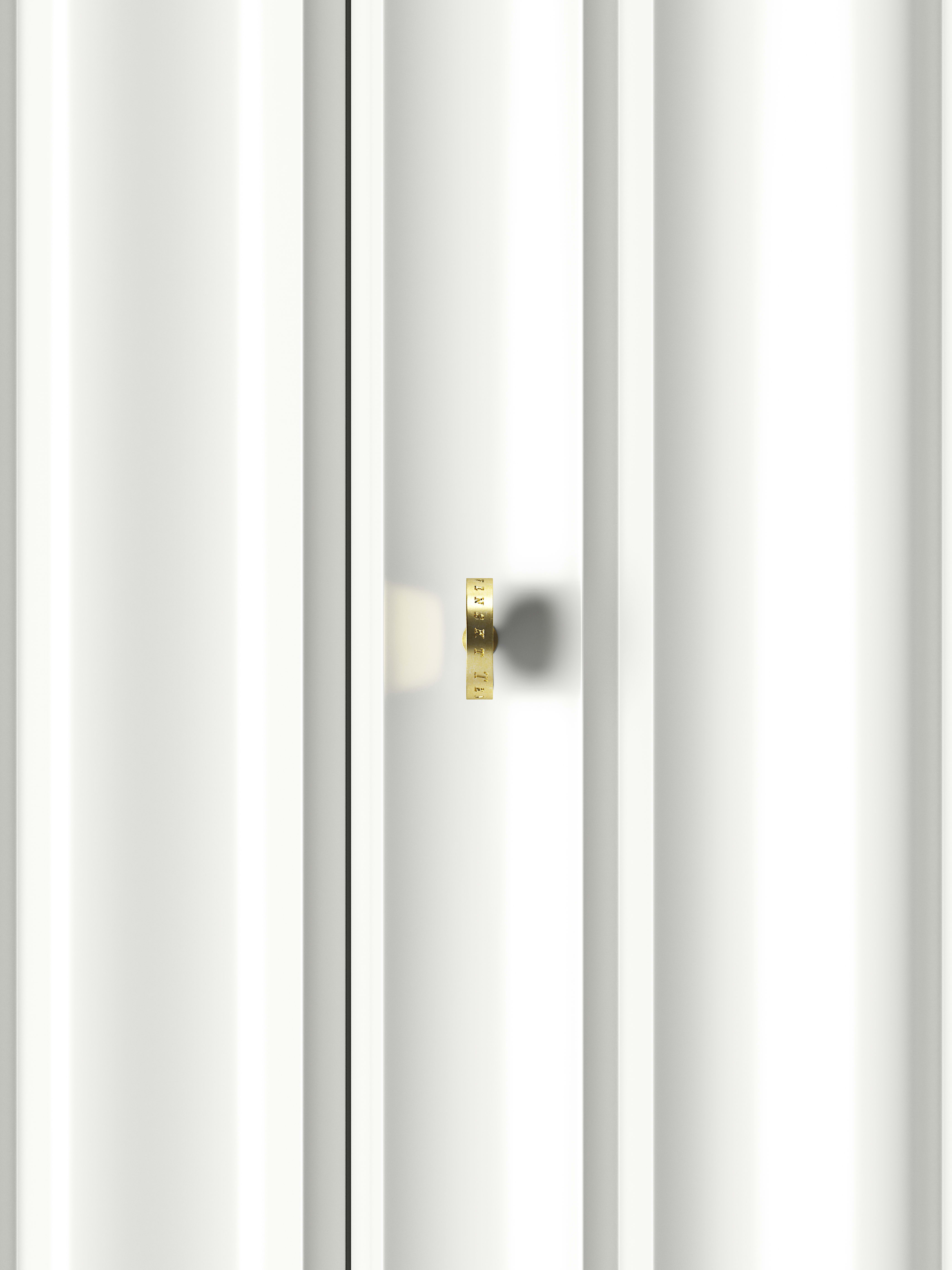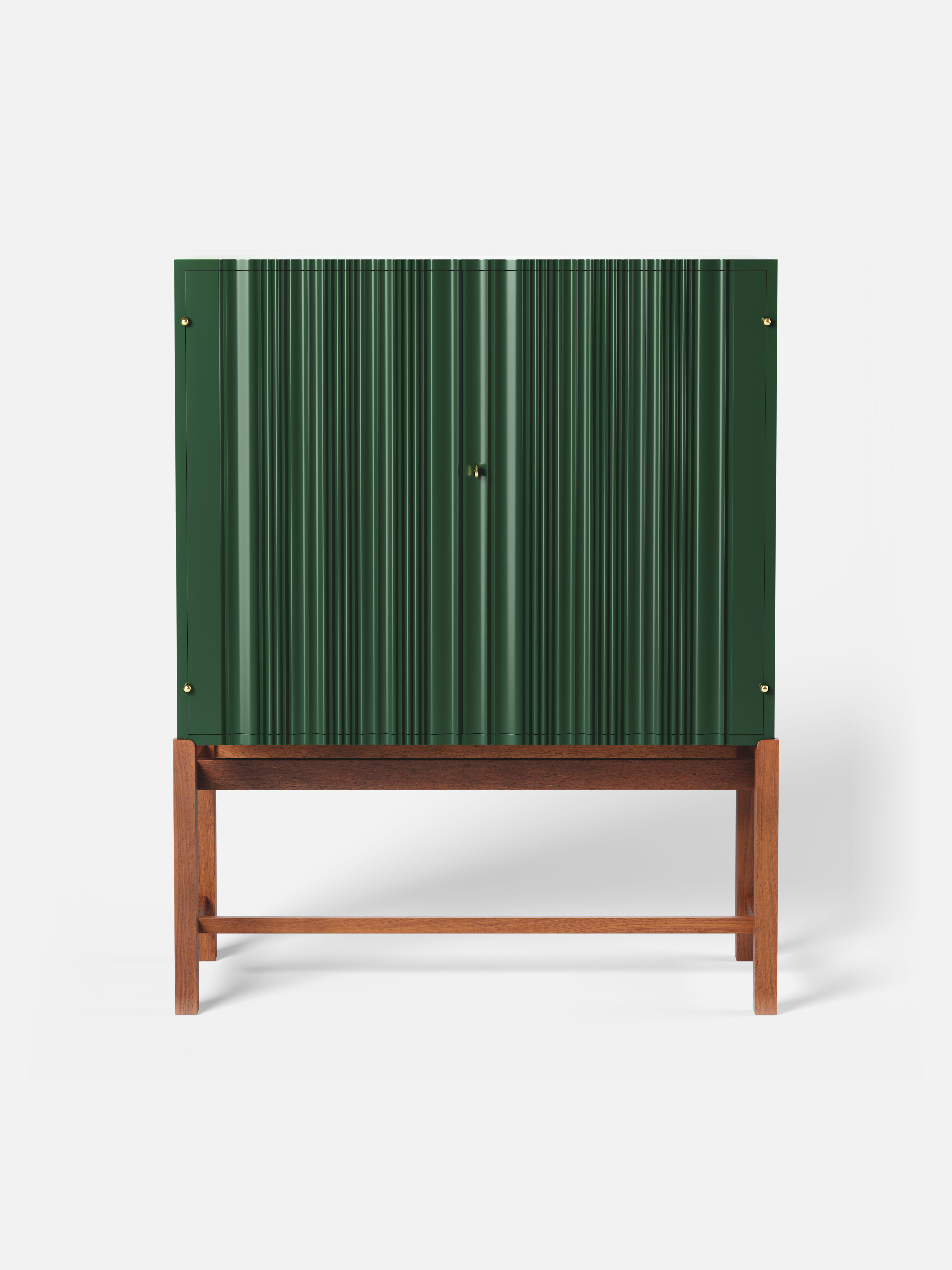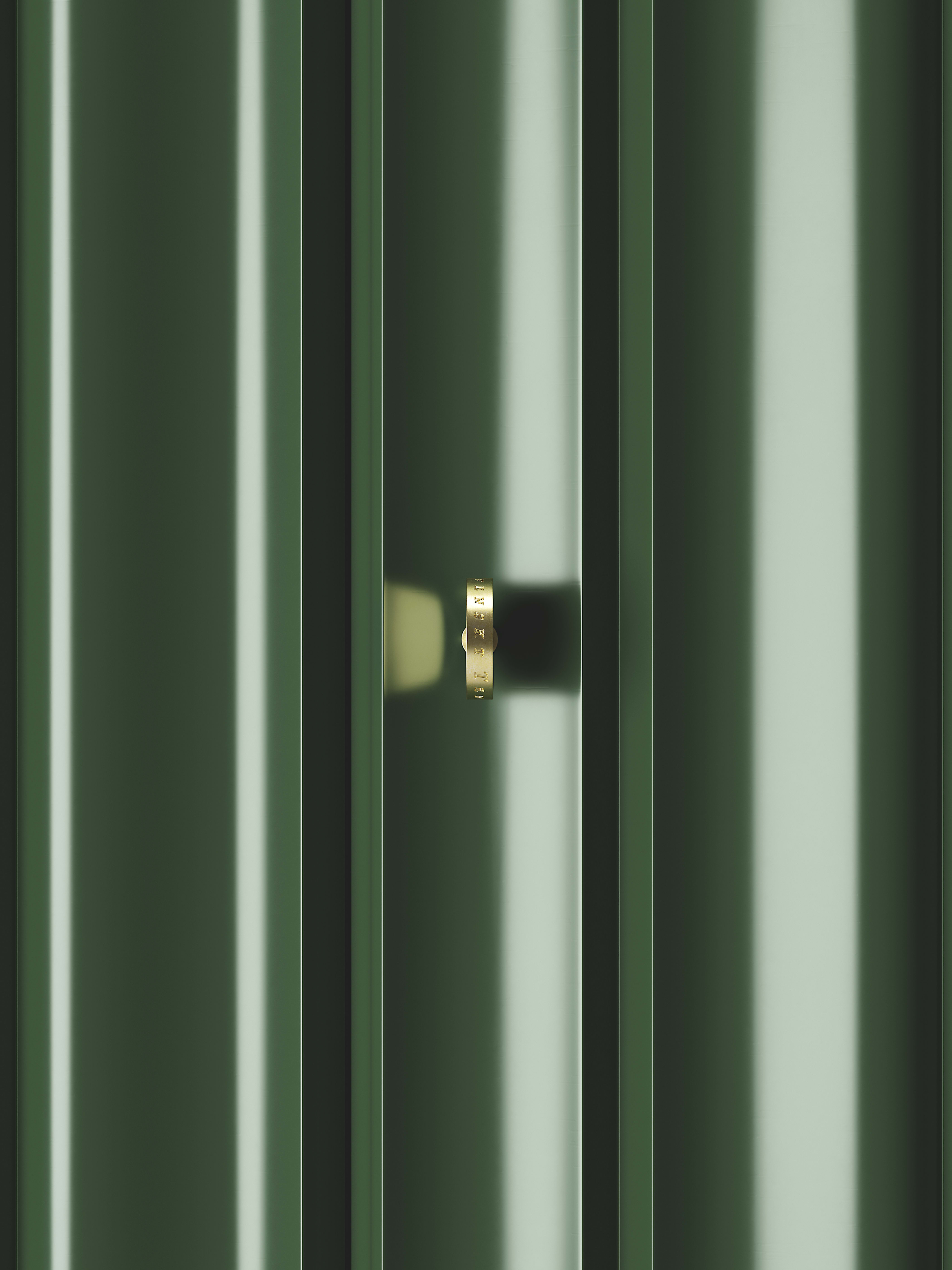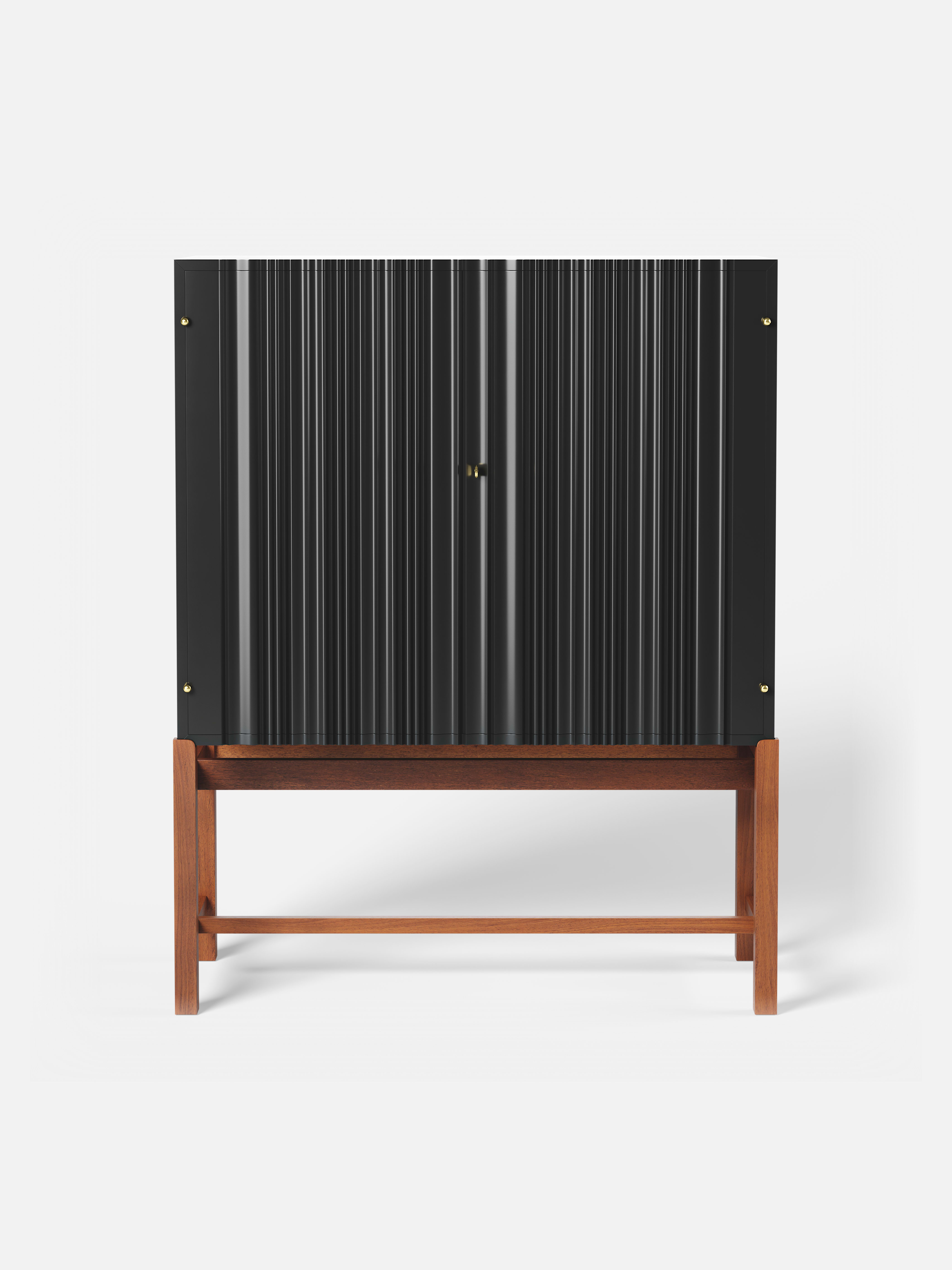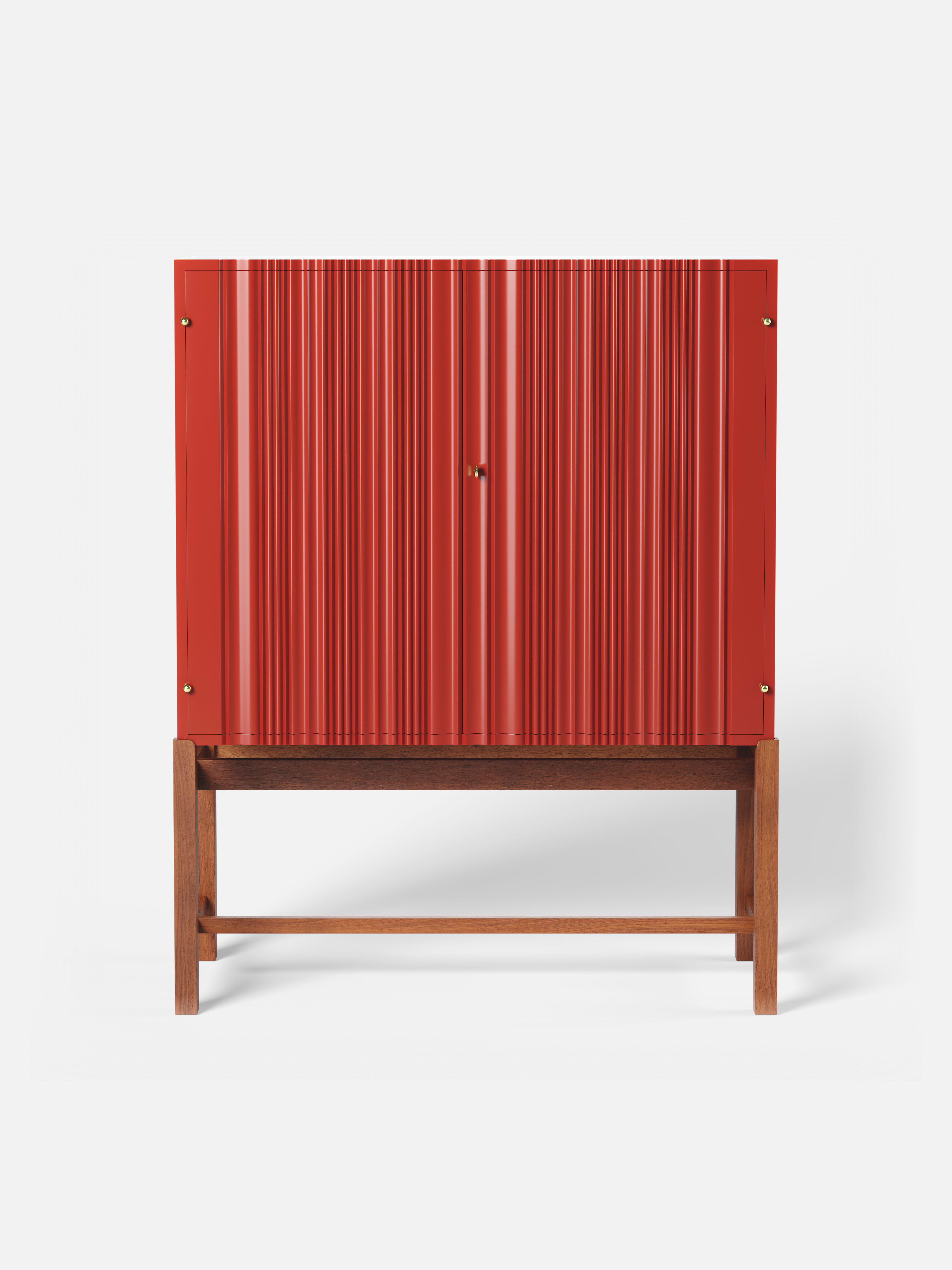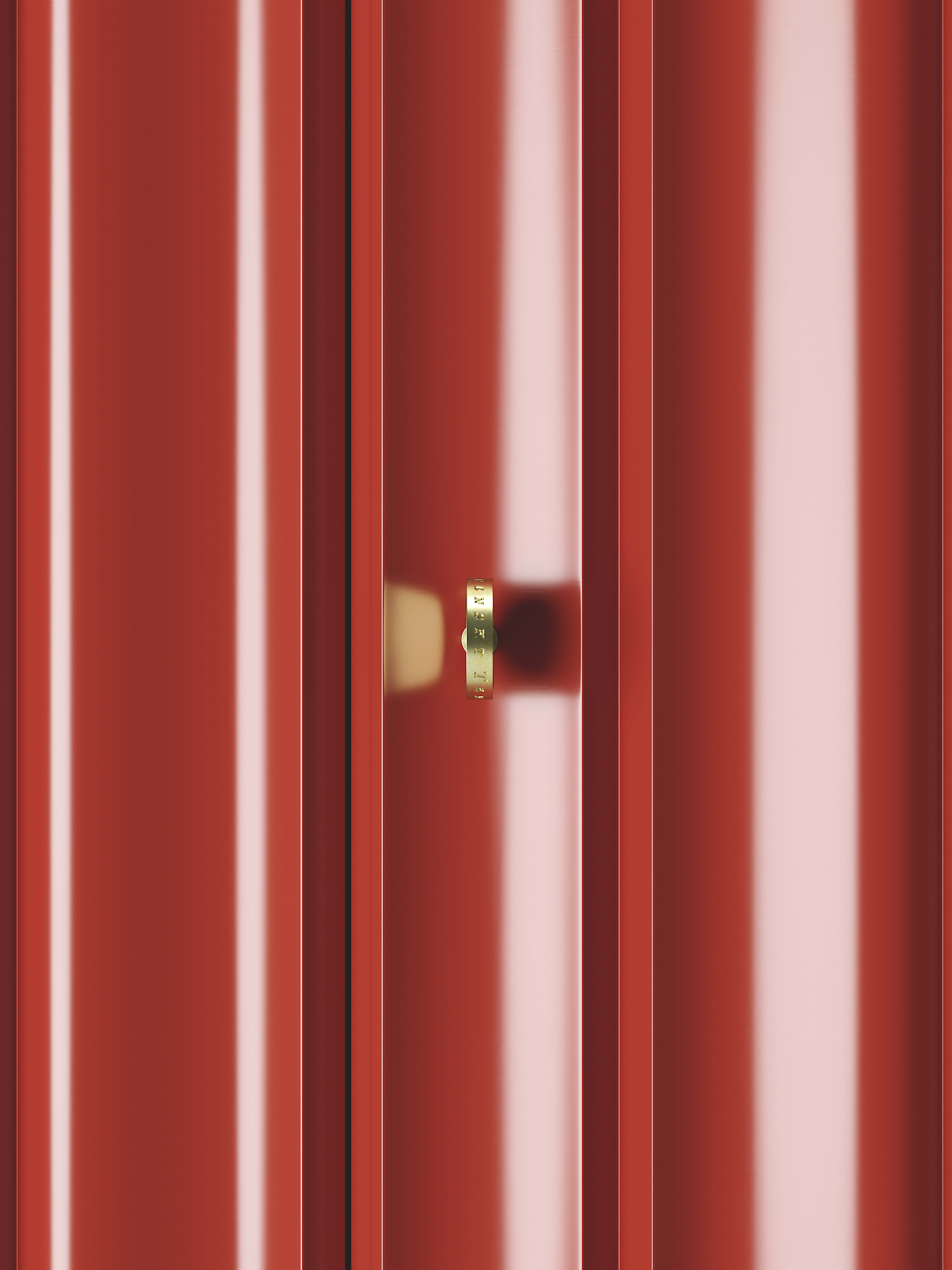
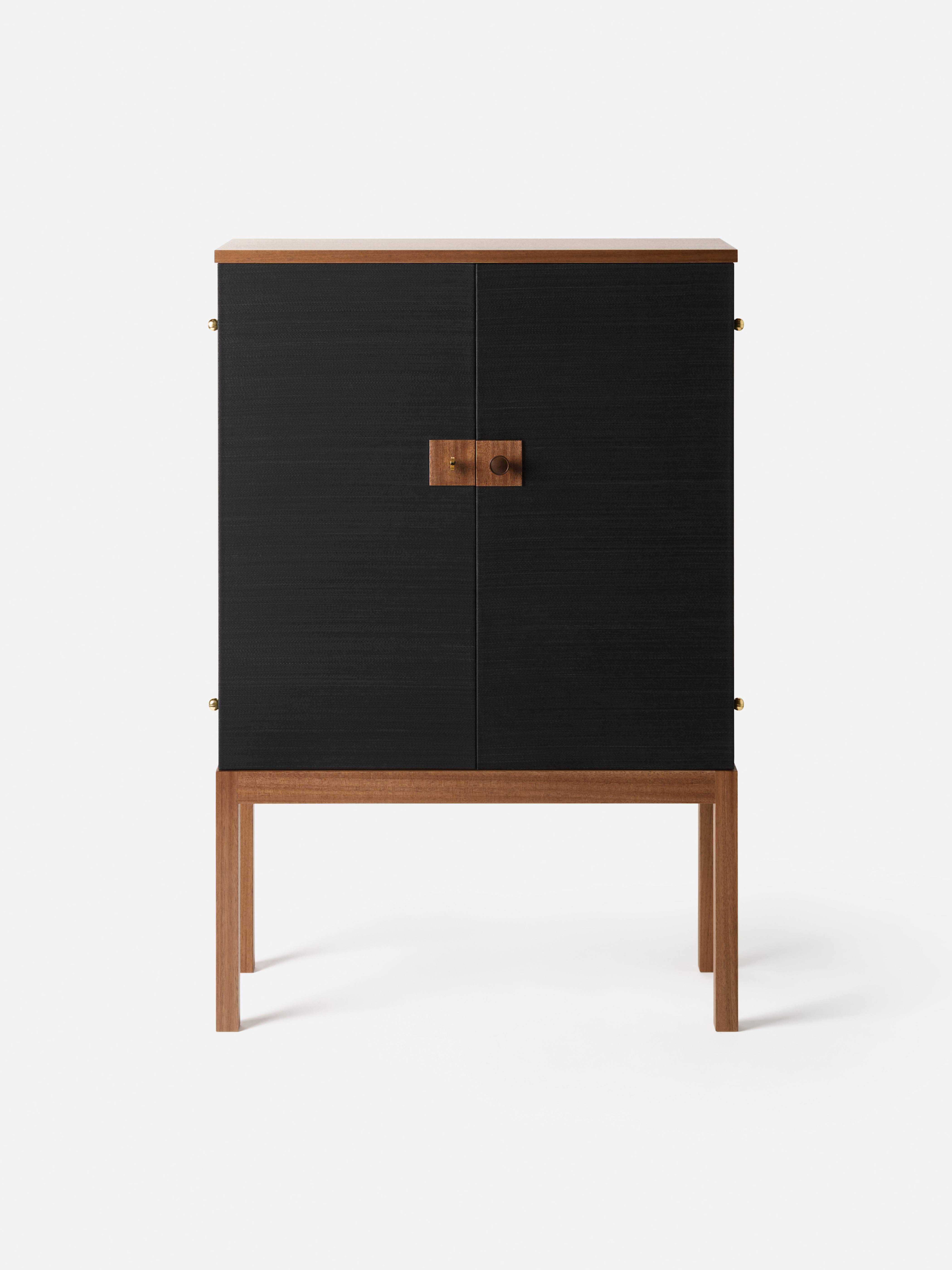
Cabinet 522
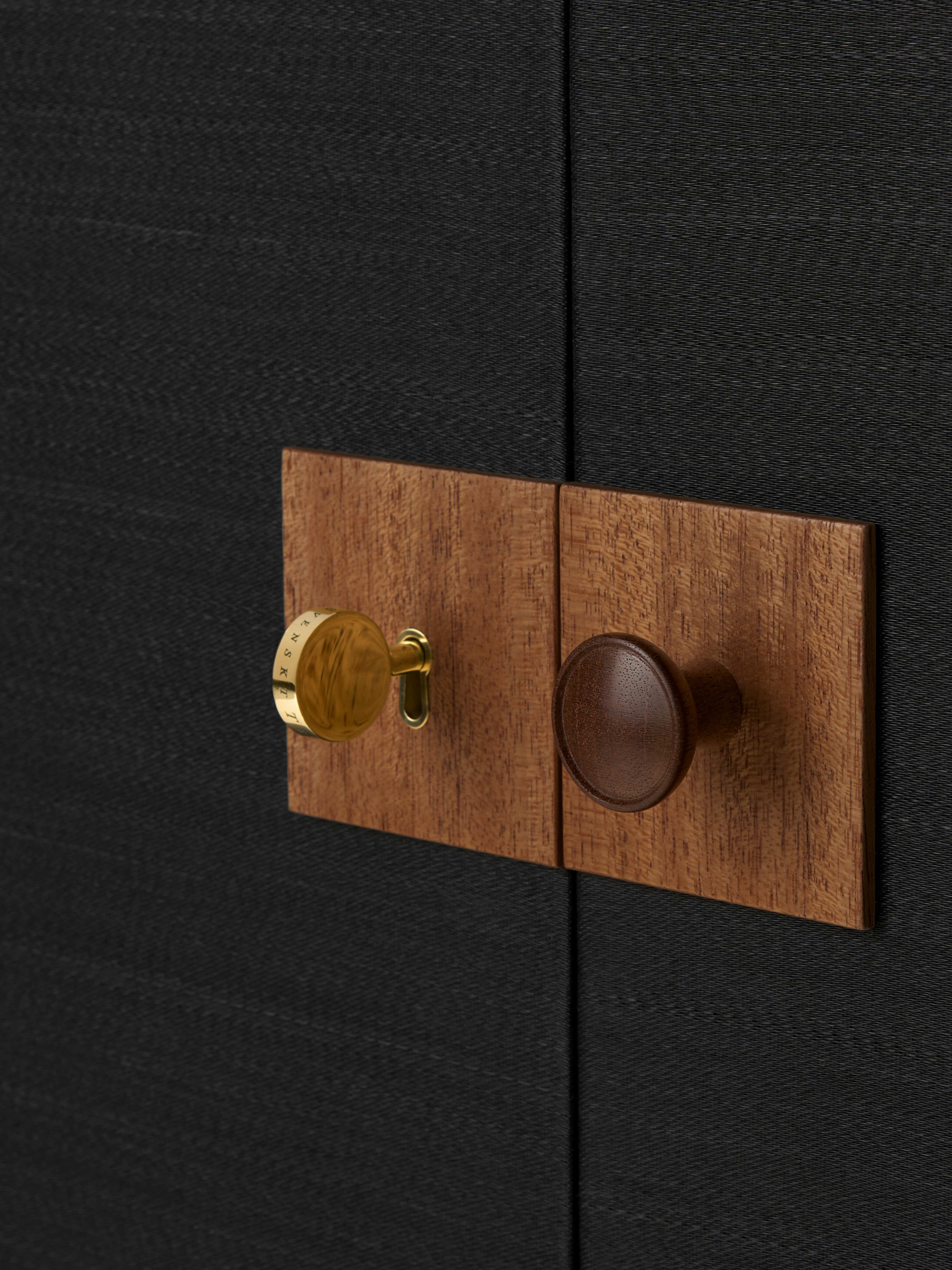
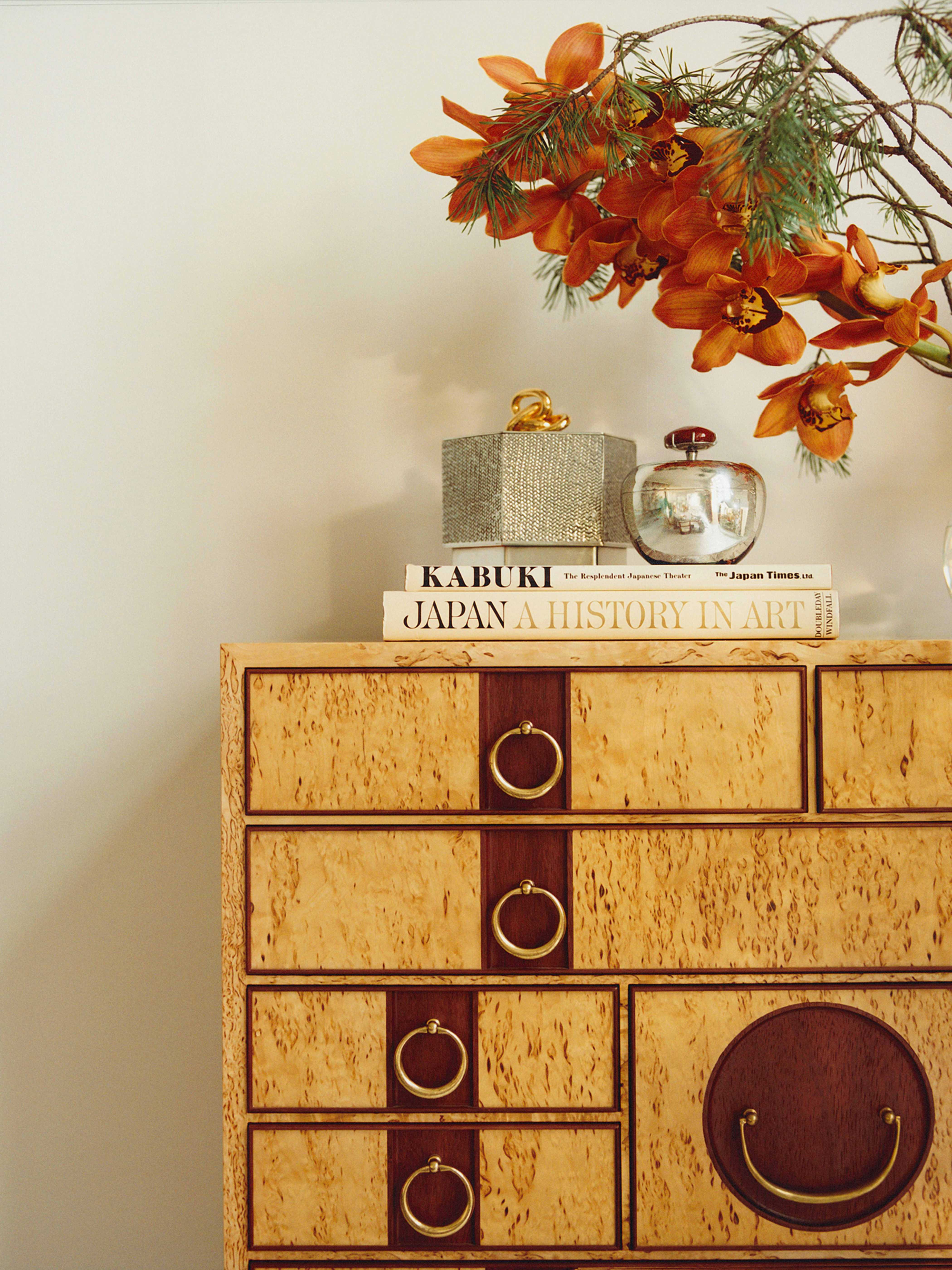
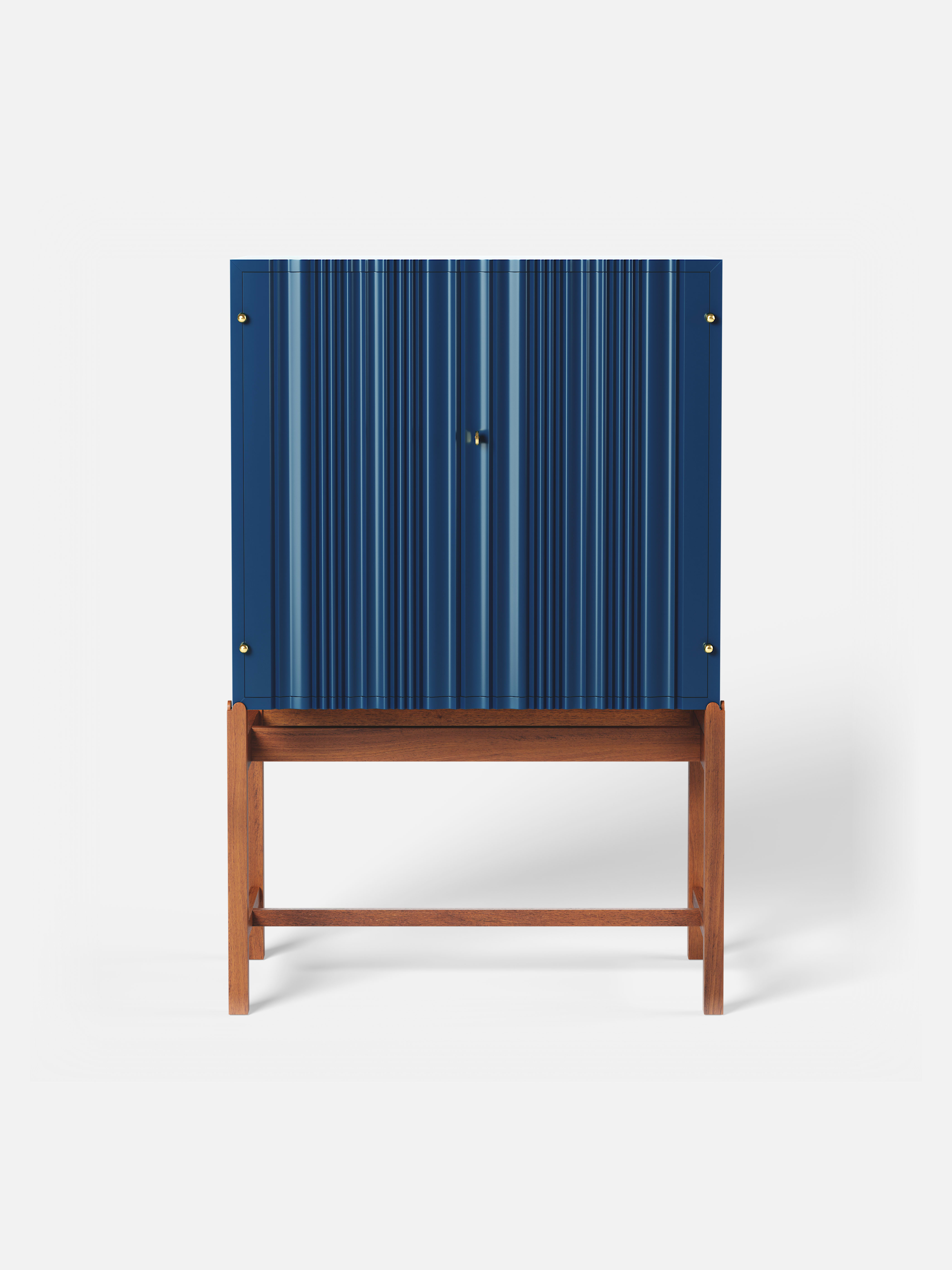
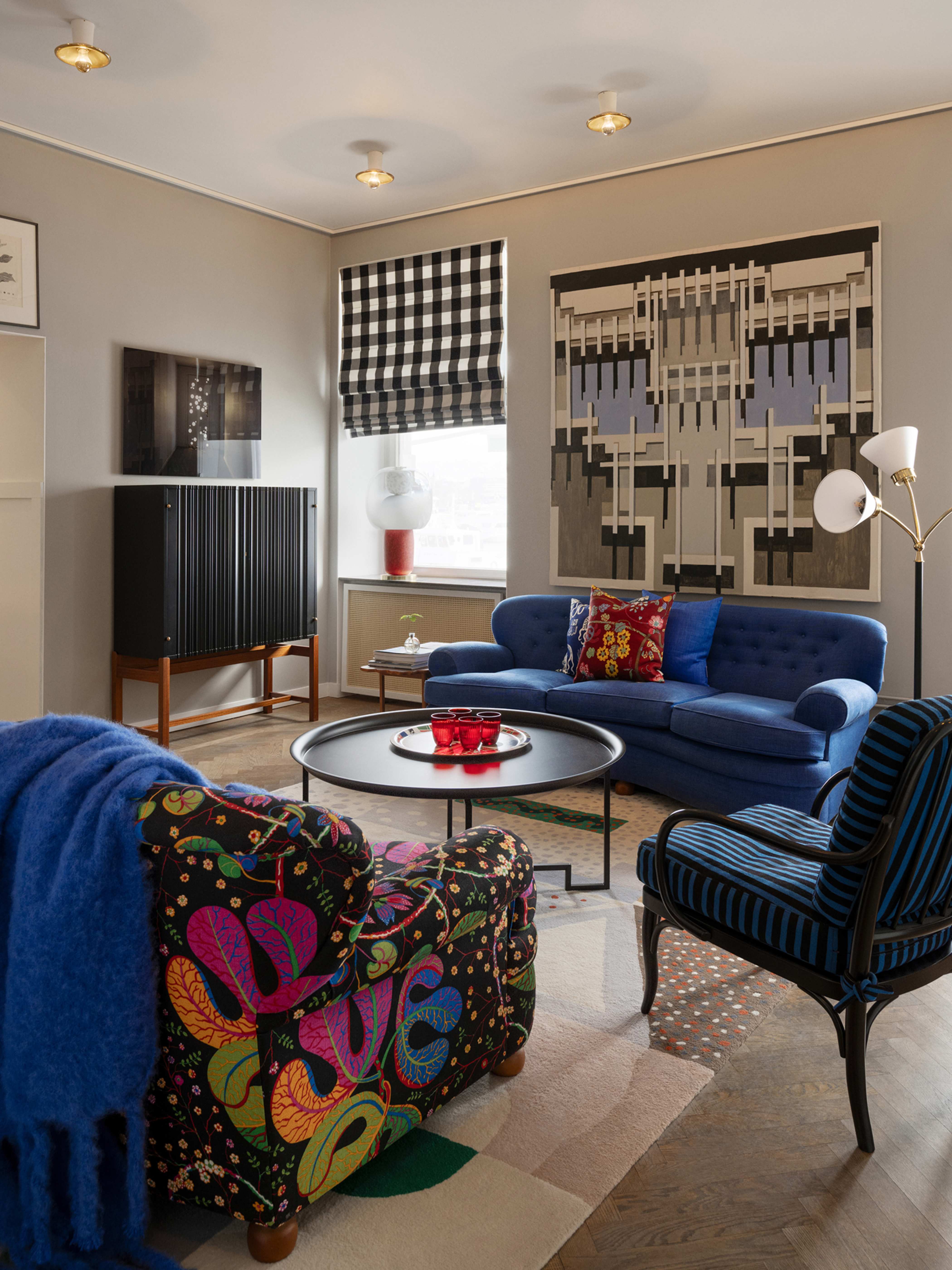
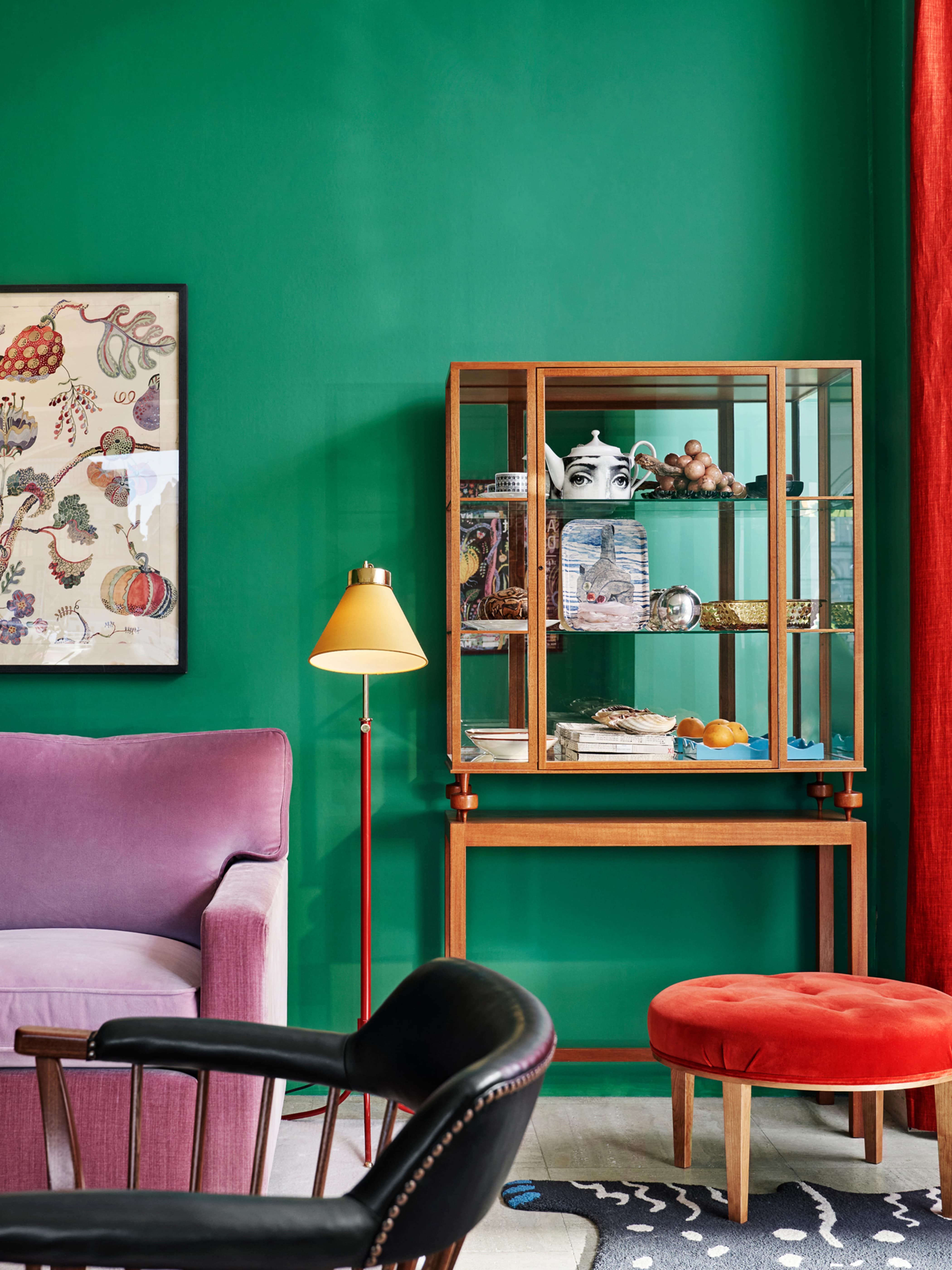
In Josef Frank’s cabinet designs, functional clarity meets sculptural presence. A defining feature is the interplay of materials: different wood species are combined with surfaces clad in textiles, paper, maps, or botanical prints. These cabinets also share a characteristic feature — they stand on high legs, reflecting Frank’s interior philosophy. He believed that for a room to feel harmonious, its proportions must remain legible, with the junction between floor and wall clearly visible. By lifting furniture off the floor, lightness and spatial clarity are created. Many of the cabinets Josef Frank designed are today regarded as masterpieces — and as refined centrepieces for the living room.
The Austrian architect and designer Josef Frank left a profound mark on Swedish design history. Although he was nearly 50 years old when he arrived in Sweden, he is today regarded as one of the country’s most important designers of all time, both nationally and internationally. During his years at Svenskt Tenn, he designed a wide range of cabinets, from tall cabinets on legs to more compact pieces intended to be placed on other furniture or built into shelving systems. These cabinets combine thoughtful proportions with a strong sense of materiality, making them as practical as they are visually striking.
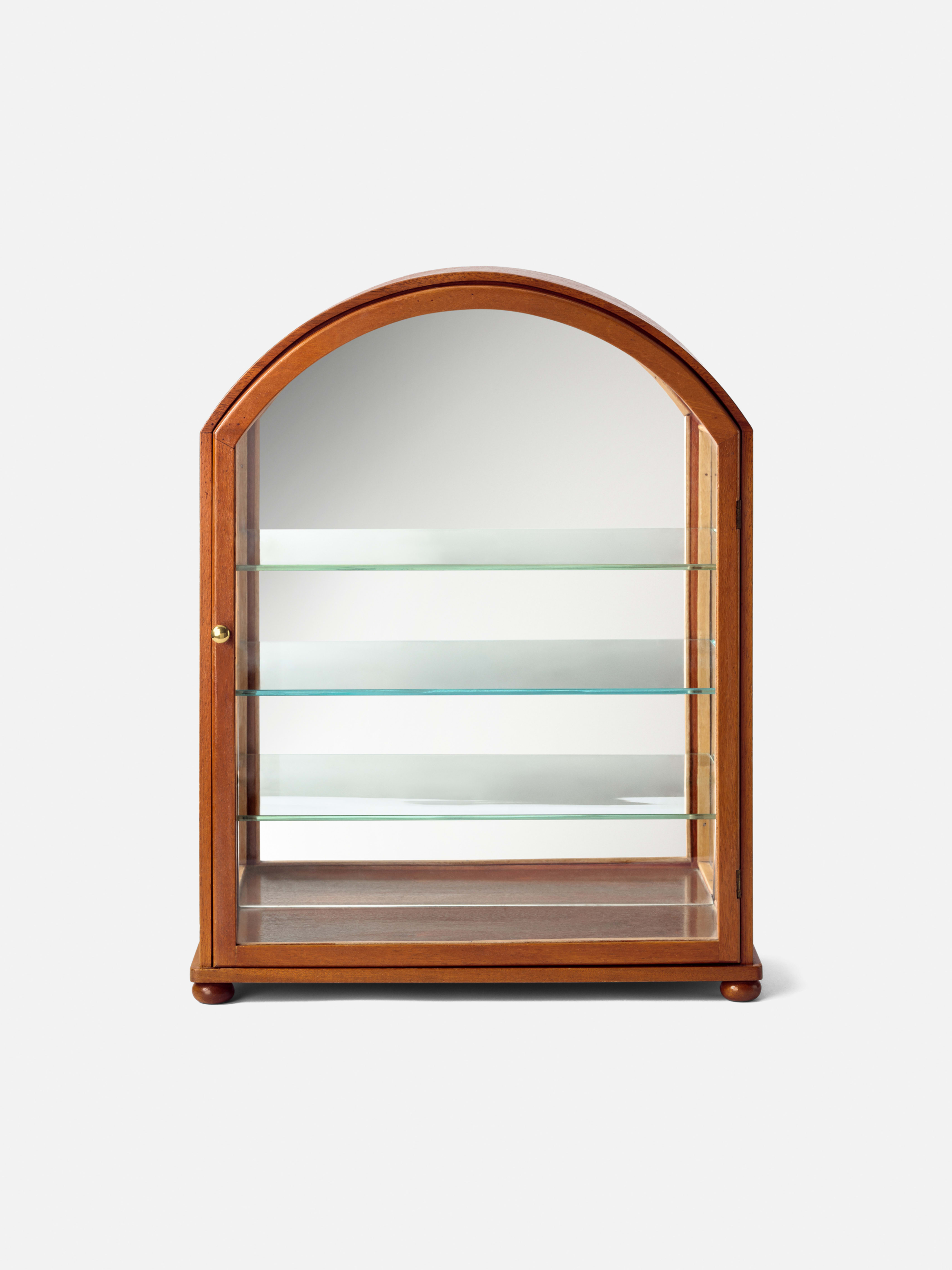
Josef Frank also designed numerous display cabinets and glass cabinets intended for showcasing beautiful objects. His display cases range from freestanding cabinets to versatile designs suitable for floors, tabletops, or niches. Josef Frank’s Vitrine 649 is a clear example of this flexibility — a display cabinet designed to function equally well in different settings. With glass sides and glass shelves, the display cabinet has an airy, lightweight expression that allows the contents to take centre stage.
Timelessness was a quality Josef Frank continuously reflected on and actively pursued in his design practice. The cabinets included in Svenskt Tenn’s collection today were designed between 1930 and 1957 and demonstrate how successfully Frank realised his timeless ideal.
Each cabinet is handcrafted in Sweden by a small number of carefully selected master cabinetmakers. This dedication to craftsmanship, combined with deep material knowledge and precision, is essential to bringing Josef Frank’s cabinet design to life — from tall cabinets and display cabinets to iconic glass cabinets and display cases that remain relevant across generations.